Are Transmissions Expensive to Fix or Replace?
Usually yes: transmission repairs are often reported around $300 to $1,500, a rebuild around $1,800 to $4,000, and replacement around $3,000 to $8,000 or more, so the right call depends on fault size, vehicle value, and quote details. A bad choice can burn cash fast and still leave you with another failure soon after. This guide explains how to judge repair versus rebuild versus replacement, and how to spot quotes that look high for the wrong reasons.
Why transmission repairs cost so much
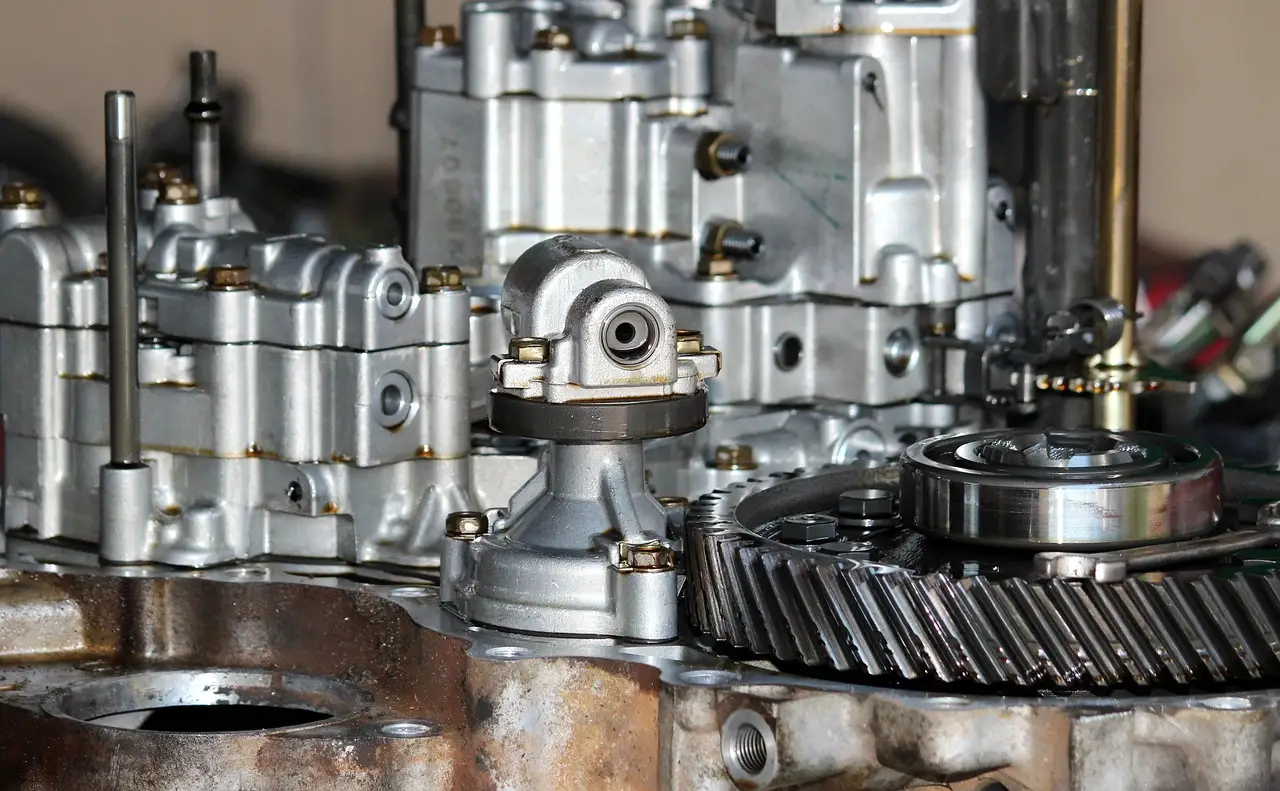
Transmission bills rise fast because parts, labor, and diagnosis add up together. Even a small fault may require fluid loss, underbody access, scan-tool work, and reassembly. On automatic units, hydraulic circuits, electronic solenoids, and the torque converter add more parts that can fail and more time to confirm the cause.
Diagnosis uncertainty is part of the price. A shop may need to separate a sensor fault from an internal clutch problem, or a valve body issue from low line pressure. If the complaint is intermittent, the quote may include more testing time before any repair even begins.
Parts and labor both rise fast
Minor transmission repairs can cost $150-$700, but that number usually covers a small part and limited labor. Once the fault moves into solenoids, valve bodies, torque converters, or internal wear, the cost climbs quickly because the work often requires more teardown and a more exact diagnosis.
Labor is the other major driver. Removing and installing a transmission often takes 8-15 hours, and transmission replacement typically takes 8 to 16 hours of labor. With shop rates from $75 to $200 per hour, labor alone can add a large share of the final bill.
Diagnostic time and uncertainty add cost
Transmission complaints rarely point to one failure mode. A shudder may come from fluid condition, a slipping clutch pack, or a torque converter issue. A hard shift may be a solenoid, a pressure control problem, or internal wear. That uncertainty can turn a simple repair quote into a larger estimate with contingency items.
Extra line items matter too. Programming, mounts, seals, fresh fluid, and diagnostic time can change the final invoice. If a quote omits those items, the price you sign for may not be the price you pay.
How much does transmission repair cost in 2026?
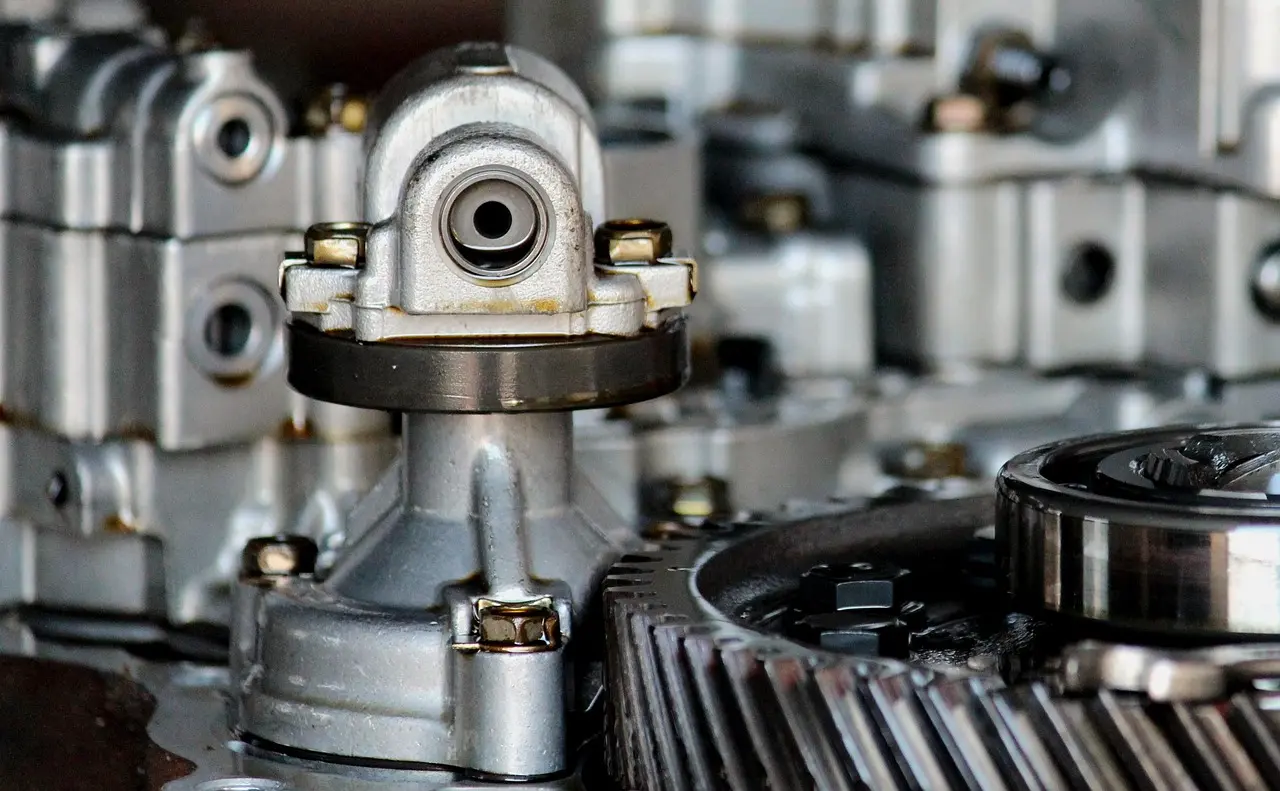
Most transmission repair quotes fall into a wide band because the fault may be minor or deep inside the unit. Fluid service can be low-cost prevention, while solenoids, seals, valve bodies, and torque converters move the job into mid-range territory. Once internal wear is widespread, rebuild or replacement may be the better path.
Low-cost fixes: fluid, sensors, seals, and solenoids
Transmission fluid service every 30,000-60,000 miles costs $150-$200, and it can prevent expensive wear if the fluid is caught early. A solenoid replacement is listed at $200-$500. Minor transmission repairs can cost $150-$700, which is the range most likely to fit small seals, sensors, or related external work.
These jobs are usually worth repairing when the transmission still shifts well overall. If the issue is isolated and the rest of the unit shows clean operation, a repair can make more sense than opening the transmission for a larger job.
Mid-range repairs: valve body and torque converter work
Valve body issues and torque converter faults tend to sit in the middle of the cost chart. A torque converter replacement is listed at $800-$1,800. Those jobs are more expensive because they involve more labor time and more risk that other worn parts will show up once the transmission is opened.
Suppose a 120,000-mile automatic starts shuddering at highway speed and the scan data points to converter lockup problems. If the case is otherwise sound, the converter may be the right repair. If the fluid is full of debris, the better quote may be a rebuild or replacement instead.
When a rebuild becomes the next step
A rebuild becomes the next step when wear is no longer limited to one part. Automatic transmission rebuilds are listed at $1,500-$3,500, and a standard automatic rebuild is listed at $2,500-$3,500. That work includes disassembly and reassembly, with worn internal parts replaced as needed.
If hard parts are damaged, clutches are burned, or metal is throughout the unit, small repairs stop making sense. At that point, the quote should explain whether the case can still be reused and whether the geartrain, clutches, and seals are rebuildable.
Transmission cost decision table
This table separates common symptoms from likely repair tiers, typical cost bands, labor time, and the quote questions that matter most before you approve work. Use it to tell a true major repair from a quote padded by uncertainty or missing line items.
| Symptom | Likely repair tier | Typical cost band | Typical labor hours | Key quote questions |
|---|---|---|---|---|
| Delayed engagement, harsh shift, no warning lights | Fluid service, sensor check, external leak repair | $150-$700 | 1-3 | Is the price for diagnosis only, or diagnosis plus repair? Does it include fluid and seals? |
| Check engine light with shift faults or limp mode | Solenoid, wiring, or control issue | $200-$500 for a solenoid; often more with diagnosis | 2-5 | Which code led to this repair? Was the harness checked? Is programming included? |
| Shudder, flare, or lockup slip at cruise | Torque converter or related hydraulic fault | $800-$1,800 | 6-10 | Is the converter the only failed part? Was debris found in the pan? |
| Slipping in multiple gears, metal in fluid, no forward drive | Rebuild or replacement | $1,800-$4,000 for rebuild; $3,000-$8,000+ for replacement | 8-16 | Can the case and hard parts be reused? What parts are covered under warranty? |
- Ask for the failure mode, not only the price.
- Confirm whether the quote includes diagnosis, fluid, mounts, seals, and programming.
- Ask if the shop found metal debris, burned fluid, or case damage.
- Compare the labor hours against the posted shop rate.
- Ask what warranty applies to the repair, rebuilt unit, or remanufactured unit.
What does a transmission rebuild cost?
A rebuild means the transmission is removed, disassembled, cleaned, inspected, and reassembled with worn internal parts replaced. It is usually chosen when the case is reusable but the clutches, seals, bushings, bearings, or other internal parts are worn enough that a smaller repair would not hold.
What is disassembled and replaced in a rebuild?
In a rebuild, the shop opens the unit far enough to inspect the internal wear. It may replace clutch packs, seals, bushings, bands where applicable, and other worn pieces. The goal is to restore the transmission without replacing the entire assembly.
That labor is why rebuilds are rarely cheap. Those figures can still move if the vehicle needs extra parts or a harder-to-source transmission variant.
When rebuilding makes financial sense
Rebuilding makes more sense when the transmission is damaged, but the vehicle still has enough value to justify the work. If the car is otherwise sound and the failure is internal rather than catastrophic, a rebuild can be a better balance than replacing the whole unit with a new OEM part.
Say your sedan is worth about $6,000 on the private market and the quote for a rebuild is $2,900 with a warranty. That can be a sensible choice if the body, engine, and electronics are otherwise in good shape. If the quote reaches replacement territory, the math changes fast.
How rebuild labor affects total price
The labor burden is built into the rebuild price, but not always in the same way. Some shops quote a unit price plus removal and installation. That difference can make two quotes look far apart when they are closer than they seem.
Ask whether the rebuild includes torque converter service, updated parts, and programming. Those items can change the invoice by hundreds of dollars if they are not listed up front.
How much does transmission replacement cost?
Replacement becomes the better answer when the transmission is too damaged to rebuild economically, or when the unit design and parts cost make rebuild work poor value. Used transmissions are the least expensive installed option, remanufactured units sit in the middle, and new OEM units cost the most.
Used transmission installed cost
Used transmission replacement is shown at $1,800-$3,000. The price can look attractive, but the risk is higher because the history of the unit may be unknown. Warranty coverage is often shorter, and compatibility can be tricky if the vehicle has multiple transmission codes or revisions.
If you choose a used unit, ask what mileage it came from, whether the torque converter is included, and whether the shop will replace seals and fluid during installation. Those details affect both price and reliability.
Remanufactured transmission installed cost
Remanufactured replacement is shown at $2,500-$6,000, and another common installed figure is $3,000-$5,000. A remanufactured unit is usually stripped down, cleaned, updated, and built to a specification rather than reused as-is. Warranty coverage is often better than for a used unit.
That warranty difference matters because it changes out-of-pocket risk. A remanufactured unit may cost more on day one, but it can reduce the chance that you pay again if the unit fails within the coverage window.
New OEM replacement cost
New transmission replacement is shown at $4,000-$8,000+, and a new OEM replacement is listed at $4,500-$8,000+. This is the highest-cost option, but it can be the right one for late-model vehicles, hard-to-source designs, or cases where the original unit has no sensible rebuild path.
New OEM units usually carry the strongest factory-style coverage. That makes them attractive when the vehicle is newer, the rest of the drivetrain is healthy, and long-term reliability matters more than a lower upfront bill.
Are some transmissions more expensive?
Yes. Automatic transmissions are usually more complex than manuals, CVTs often require specialized parts and procedures, and dual-clutch units can sit at the top of the cost range. The main drivers are internal design, special tools, control electronics, and the labor needed to remove, diagnose, and reinstall the unit.
Automatic versus manual costs
Automatic transmissions have hydraulic circuits, electronic solenoids, and a torque converter, so repair work often takes more time and parts than a manual unit. Manual transmissions are usually simpler internally and usually cheaper to repair or rebuild. A common repair on a manual is clutch replacement, which can be cheaper than a full automatic repair path.
That does not make every manual cheap. If the clutch, flywheel, and seals are worn together, the bill still rises. But the internal layout is often less expensive to service than an automatic with electronic controls.
Why CVT repairs usually cost more
CVT transmissions use a specialized design, and many shops treat them differently from conventional automatics. Common applications include Nissan, Subaru, Honda, and Toyota. Higher rebuild and replacement costs usually come from specialized parts, tighter setup requirements, and fewer shops that are comfortable opening the unit.
That does not mean every CVT is doomed. It means quote quality matters more. If a shop is guessing, the estimate may be built around replacement rather than a repair that could still work.
Why dual-clutch repairs can be the most expensive
Dual-clutch transmissions can be among the priciest because they need specialized tools and training, and the failure may involve electronics, clutches, or control hardware. Common applications include VW/Audi, BMW, Hyundai, and Ford PowerShift vehicles.
That cost pressure is not only about brand. It is also about labor time, calibration, and the number of parts that must be confirmed before the job is finished.
When should you repair or replace?
Repair makes sense when the failure is limited, the transmission case is sound, and the vehicle value can justify the work. Replacement makes more sense when the unit has catastrophic internal damage, the rebuild quote approaches replacement pricing, or the vehicle is worth too little to support a full teardown.
Mileage and vehicle value thresholds
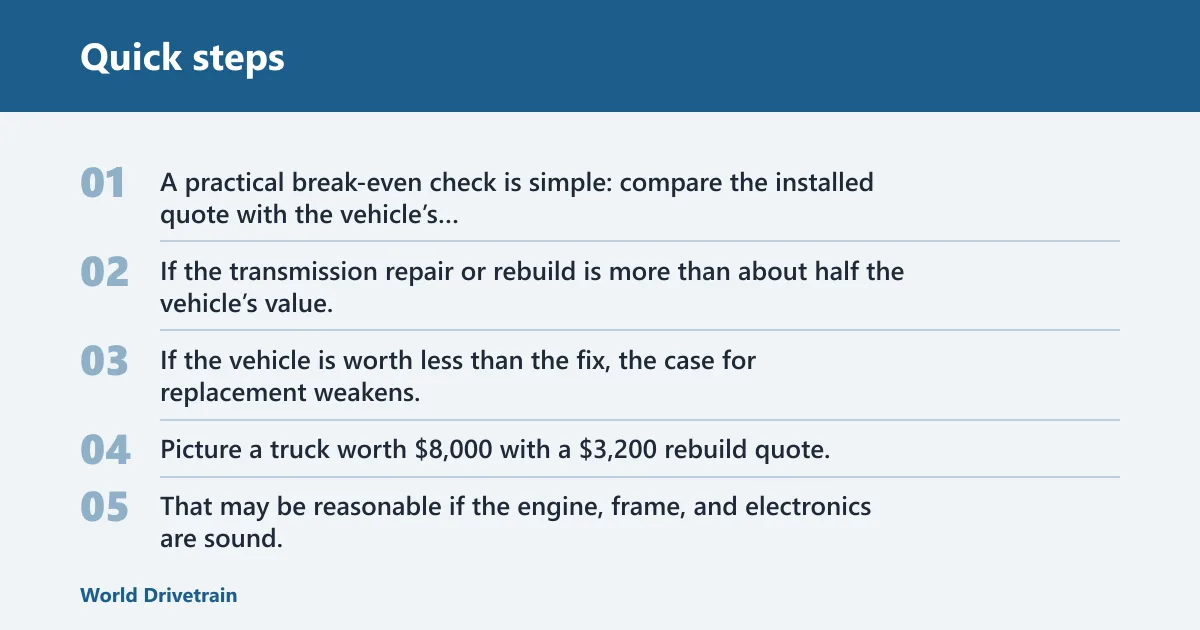
A practical break-even check is simple: compare the installed quote with the vehicle’s realistic market value. If the transmission repair or rebuild is more than about half the vehicle’s value, replacement only makes sense when the rest of the car is strong and you plan to keep it. If the vehicle is worth less than the fix, the case for replacement weakens.
Picture a truck worth $8,000 with a $3,200 rebuild quote. That may be reasonable if the engine, frame, and electronics are sound. If the quote climbs to $5,500 for a remanufactured unit, the decision gets harder unless the truck has a long service life left.
Catastrophic failure versus recoverable damage
Replacement is more likely when the transmission has broken hard parts, heavy metal contamination, case damage, or repeated failures after prior work. In those cases, rebuilding can become uneconomic because the parts list grows too large and the shop can no longer rely on the original core.
Recoverable damage usually looks different. A single failed solenoid, a leaking seal, or a torque converter fault may be worth fixing if the rest of the unit still performs normally.
How warranty coverage changes the decision
Warranty can move the answer toward replacement if the coverage is strong. Rebuilder coverage and remanufactured unit coverage often reduce out-of-pocket risk, while used units may carry less protection. Ask whether the warranty covers parts only, labor only, or both, and whether there is a deductible.
If a shop offers a lower price but a weak warranty, the cheapest bid may not be the best value. A slightly higher installed price can be smarter if it reduces the chance of paying twice.
Frequently asked questions
Are transmissions expensive to fix or replace?
Usually yes. Even minor repairs can cost $150-$700, while rebuilds and replacements often move into the thousands because labor, diagnosis, and parts all pile up. Automatic, CVT, and dual-clutch units usually cost more than manuals because their parts and procedures are more complex.
What is the average cost to rebuild a transmission?
The installed price depends on how much of the unit must be reused, whether the torque converter is replaced, and whether programming or extra seals are needed.
How much does a remanufactured transmission replacement cost?
The higher price usually buys updated internal parts and stronger warranty coverage than a used unit, which can lower risk if the vehicle is worth keeping.
When is it cheaper to repair than replace a transmission?
Repair is usually cheaper when the fault is limited to a solenoid, sensor, seal, or fluid problem, and the transmission case and internal clutches are still healthy. If the shop finds metal debris, burned fluid, or multiple worn internals, replacement may be the better value.
How much does a used transmission cost installed?
Used transmission replacement is shown at $1,800-$3,000 installed. It is the lowest upfront replacement option, but it carries more risk because history and wear are harder to verify. Ask about mileage, compatibility, included parts, and warranty length before you agree to the job.