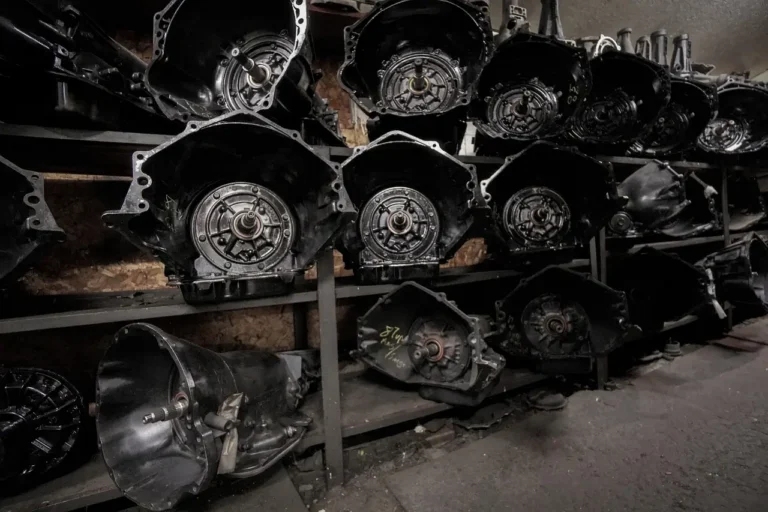
How Long Does Clutch Replacement Take at a Shop?
A clutch replacement at a shop usually takes about one business day of labor, but total downtime is often about 1 to 3 days when diagnosis, parts, bleeding, and a road test are included. Delays or rushed work can leave you with a slipping clutch, hard shifts, or a return visit for air in the hydraulic system. This guide breaks down each step that controls turnaround, from inspection and parts ordering to installation, bleeding, and final test driving.
Clutch replacement at a shop: what controls the clock
The clock starts before the first tool comes out. A manual transmission clutch job usually requires gearbox removal to reach the disc, pressure plate, release bearing, and often the flywheel, so labor time matters more than the parts bill in many cases. Vehicle layout, rust, and parts availability often decide whether the car is back the same day or stays overnight.
Shop timing also depends on what the first inspection finds. A simple worn disc can be straightforward. A leaking slave cylinder, a worn pilot bearing, or a heat-damaged flywheel can turn a routine repair into a longer visit.
Why the transmission has to come out
Most clutch replacements on a manual transmission need transmission removal because the clutch sits between the engine and gearbox. The shop has to support the transmission, disconnect axles or driveshaft components depending on layout, and move enough hardware to reach the clutch assembly safely. That is why the job is labor-heavy even when the clutch kit itself is modestly priced.
There is no universal clock for this step. A compact front-wheel-drive car with clean fasteners can be much quicker than a rear-wheel-drive truck with rusted hardware or limited underbody access.
Which steps happen before wrenching starts?
Before disassembly, a shop usually confirms the complaint with a road test and inspection. That may include checking for slip under load, chatter on takeoff, pedal feel, hydraulic leaks, and whether the release point has changed. If the symptom points to another problem, the repair scope can change before parts are ordered.
Ordering the right clutch kit matters here. A typical kit includes the pressure plate, disc, and release bearing, and some jobs also call for a pilot bearing, flywheel work, or hydraulic parts if wear is found.
How long does clutch replacement take at a shop?
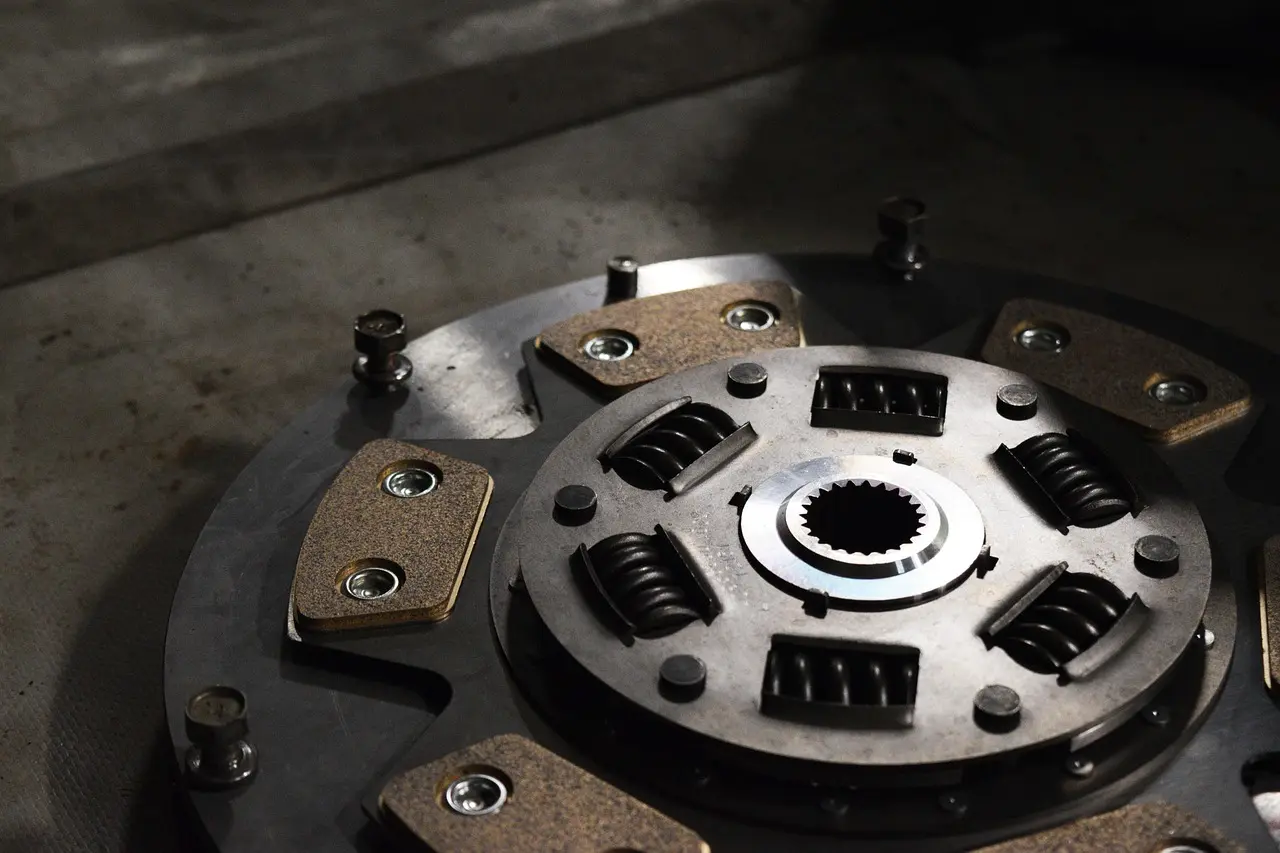
Most clutch replacements take about 6 to 12 labor hours once the car is in the bay, and many shops treat it as a one-day labor job. Total downtime is often 1 to 3 days because diagnosis, parts sourcing, machine work, bleeding, and a final road test can add waiting time beyond the wrench time.
Typical labor-hour range
A straightforward job on a common car may land near the lower end of that range. A more packed drivetrain, rusted fasteners, or extra parts can push it toward the upper end. AWD vehicles, performance models, and some trucks often take longer because access is tighter and the drivetrain removal steps are more involved.
For planning purposes, think in phases, not one number. The labor clock is only part of the answer.
Same-day versus overnight cases
Same-day completion is realistic when the clutch kit is in stock, the flywheel is reusable or only needs light resurfacing, and there are no broken bolts or hydraulic leaks. If the shop starts early and nothing unexpected appears, the car can often be finished by late afternoon or early evening.
Overnight stays become more likely when parts need to be ordered, the flywheel must go out for machining, or the shop discovers a seized slave cylinder, damaged pilot bearing, or rusty hardware that slows removal.
When a repair stretches past one day
More than one day is common when the car is not a straightforward layout. A dual-mass flywheel can add delay if it needs replacement and must be sourced. Rust on the bellhousing fasteners, a leaking master cylinder, or a damaged release system can also push the visit past the original estimate.
Say your compact sedan needs a clutch kit and the flywheel only needs resurfacing. That may still become an overnight job if the machine shop is not on site and the part cannot be returned before closing.
Clutch repair timeline table
This timeline shows the five shop phases that most affect turnaround. The ranges are practical rather than exact, because vehicle design and parts supply can change the schedule fast.
| Phase | Minimum time | Typical time | Extended time | What usually causes the delay |
|---|---|---|---|---|
| Inspection and symptom confirmation | 0.5 to 1 hour | 1 to 2 hours | Half day | Road test needed, intermittent slip, hydraulic diagnosis, or related noise |
| Parts ordering and availability | Same day | 1 business day | 2 to 5 business days | Backordered clutch kit, flywheel not in stock, specialty hydraulic parts |
| Transmission removal and clutch install | 4 to 6 labor hours | 6 to 10 labor hours | 10 to 14+ labor hours | Rust, tight packaging, AWD components, broken fasteners, damaged pilot bearing |
| Bleed and hydraulic checks | 0.5 hour | 1 hour | 2+ hours | Air in system, leaking slave cylinder, master cylinder issue, repeated pedal bleed |
| Road test and final check | 0.25 hour | 0.5 to 1 hour | Longer if symptoms return | Shifter issues, chatter, clutch drag, or a return leak check |
Why does clutch replacement take so long?
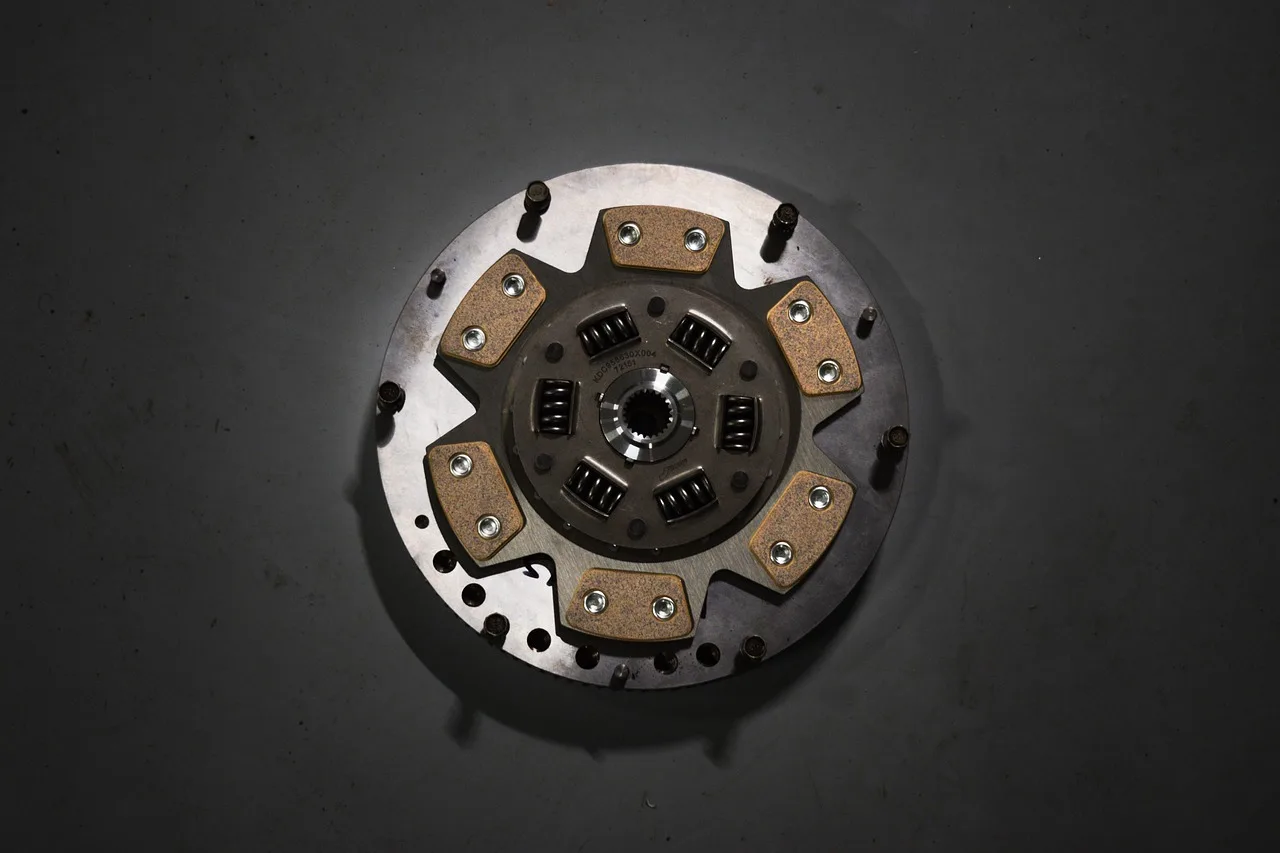
Clutch replacement takes time because the core labor is removal and reassembly around a crowded drivetrain. The shop has to separate the transmission from the engine, inspect related wear, install the new clutch kit, and then bleed and verify the hydraulic system. Each of those steps can expose another delay.
Rust and seized fasteners
Fasteners on older vehicles, winter-driven cars, and trucks may be rusty or seized. A broken bolt or a corroded bracket can slow the job far more than the clutch itself. A shop may need penetrating oil, heat, or extra labor just to get the transmission out cleanly.
Tight engine bay or underbody packaging
Front-wheel-drive cars often have the engine and gearbox packed tightly in the engine bay. Rear-wheel-drive vehicles may have better top-end access but still require driveshaft, crossmember, and transmission work. AWD systems usually add more disassembly, which is why those vehicles often stay longer.
Extra time for damaged related parts
A common first-timer mistake is assuming the clutch is the only worn part. If the release bearing is noisy, the pilot bearing is rough, or the flywheel shows heat spots or cracks, the shop has to address those parts too. That changes both labor time and parts wait.
What parts can add time to the job?
The clutch kit is only part of the picture. Flywheel condition, hydraulic clutch components, and small support parts can all add hours or delay the car until parts arrive. This is one reason two vehicles with the same clutch symptom can have very different shop timelines.
Flywheel resurfacing or replacement
A flywheel may be resurfaced if its thickness and condition allow it. That adds time because the part has to come off, be checked, and often be sent out or machined. If the flywheel is cracked, heat-checked beyond limits, or equipped as a dual-mass unit that cannot be resurfaced safely, replacement can add more time and cost.
Does replacing the flywheel add to clutch replacement time? Yes. Even a resurfacing step can add a few hours to a full day if machining is off site. A full replacement can add more if the part is not on the shelf.
Hydraulic clutch components
Hydraulic systems can slow the job when the slave cylinder or master cylinder leaks, binds, or fails to hold pressure. After installation, the shop has to bleed the system so the pedal feels correct and the clutch fully disengages. If air keeps entering the system, that can require repeated bleeding and extra diagnosis.
Pilot bearing and release hardware
The pilot bearing supports the input shaft on many manual transmissions, so a rough or seized bearing can add removal time and parts replacement. Release forks, clips, and related hardware can also be damaged during disassembly or found worn during inspection. Small parts can create large delays if they are not available immediately.
Can a clutch be replaced in one day?
Yes, a clutch can often be replaced in one day when the kit is in stock, the vehicle is easy to access, and no extra faults appear during teardown. Same-day service is most realistic for a straightforward manual transmission job with clean fasteners and no flywheel surprise.
When same-day service is realistic
A same-day repair is most likely when the shop can start early, the diagnosis is clear, and the clutch kit matches the vehicle on the first try. If the flywheel only needs quick inspection and the hydraulics bleed normally, the car may be done before closing.
When parts delays force an overnight stay
Parts delays are common when the flywheel is special-order, the clutch kit is not in stock, or the vehicle uses a less common transmission setup. Even when labor is moving well, the car may still sit overnight waiting for parts delivery or machining.
When the shop needs more labor time
If the transmission removal reveals rust, a leaking slave cylinder, a damaged pilot bearing, or signs of heat damage, the labor estimate can grow quickly. A repair that looked like a six-hour job can become an all-day or two-day visit once the extra work is counted.
Vehicle layout and drivetrain differences
Vehicle layout changes both labor time and scheduling. Front-wheel-drive cars are often quicker than larger vehicles, but packaging can still be tight. Rear-wheel-drive vehicles may offer different access paths. AWD systems, trucks, SUVs, and performance cars often need more disassembly and more time.
Front-wheel drive versus rear-wheel drive
Front-wheel-drive vehicles commonly require careful removal around the transaxle, axles, and surrounding components. Rear-wheel-drive vehicles may need driveshaft removal and more underbody work. Neither layout is automatically faster, but the access pattern is different, and that difference affects labor hours.
All-wheel drive and performance models
AWD cars often take longer because the drivetrain has more components in the way. Performance models can also be slower due to tighter packaging, lower ride height, or special hardware. In both cases, the repair can be more than a simple clutch swap.
Compact cars, trucks, and SUVs
Compact cars are often the quicker jobs when parts are available and rust is minimal. Trucks and SUVs can take longer because of added weight, larger driveline parts, and more time spent working under the vehicle. A shop may quote more labor for these vehicles even when the clutch kit is similar.
Picture a rear-wheel-drive truck with 150,000 miles and rusted exhaust fasteners. The clutch itself may be standard, but the time goes into removal, not into the disc and pressure plate.
How to plan for downtime and transportation
Plan for at least one full business day without the car, and allow more time if the shop has not inspected it yet. If you need the vehicle for work or school, ask the shop whether the estimate includes diagnosis, parts ordering, and road test time, not only wrench time.
- Ask whether the clutch kit is in stock before you drop off the car.
- Confirm whether the flywheel can be resurfaced or must be replaced.
- Ask if the shop expects hydraulic bleeding or extra diagnosis.
- Check whether same-day pickup is realistic for your drivetrain layout.
- Arrange a ride, loaner, or alternate transportation for at least one day.
If the estimate says “one day,” ask what happens if the flywheel needs machining or a slave cylinder leaks during teardown. That single question often tells you whether the car will be ready by evening or held overnight.
Frequently asked questions
What makes clutch replacement take longer than expected?
Rust, broken fasteners, tight engine-bay packaging, a damaged pilot bearing, or a leaking slave cylinder can all extend the job. Parts delays matter too. If the flywheel needs resurfacing or replacement, the car may stay longer even when the main clutch parts are ready.
How long should I be without my car for a clutch job?
Plan for at least one business day, and be ready for 2 or 3 days if the shop must order parts or wait on flywheel work. If your car has AWD, performance packaging, or heavy rust, a longer stay is possible. Ask the shop what would change the estimate before you leave the vehicle.
Can a shop diagnose a clutch and replace it the same day?
Sometimes. A quick diagnosis and same-day repair are possible when the symptom is clear, the shop has the correct parts, and no hidden wear appears during removal. If the clutch fault is mixed with hydraulic problems, flywheel damage, or unavailable parts, the car usually stays longer.