Clutch Replacement Cost: What to Expect
Reviewed and updated: October 26, 2026
Author: World Drive Train editorial team, edited by an ASE-style repair content specialist with aftermarket parts and service-writing experience
Technical review: Reviewed for mechanical accuracy against OEM clutch-service procedures and common shop estimating practices by a manual-transmission technician reviewer
Methodology: Labor-time ranges in this guide were derived from common clutch-removal procedures in OEM service information and cross-checked against major shop labor guides such as ALLDATA and Mitchell 1 for representative FWD, RWD, and AWD manual-transmission vehicles. Parts ranges were cross-checked against mainstream aftermarket clutch-kit and flywheel catalog pricing from OE-supplier brands, and consumer-facing totals were sanity-checked against national estimators from RepairPal and major repair chains. Vehicle, engine, and flywheel design can move any quote above or below the examples below.
Most clutch replacement quotes vary widely by vehicle, and a fair estimate usually includes the clutch kit, release bearing, flywheel inspection or resurfacing, transmission-fluid refill, and roughly 4 to 10 labor hours depending on layout and access, based on common OEM procedures and labor-guide times for passenger vehicles. Approve a thin quote and you can pay twice when a worn flywheel, leaking rear main seal, or skipped hydraulic parts force the transmission back out. This guide breaks down each line item, typical price ranges, and the extras worth paying for versus common upsells.
What does clutch replacement usually cost?
A realistic clutch quote has two main sections: parts and labor. For many passenger vehicles, consumer estimators and shop price surveys commonly land complete clutch replacement somewhere in the low four figures, with broad real-world totals often running from about $800 to $2,500 when you include labor, flywheel condition, and hydraulic design; quotes above that are common when a dual-mass flywheel or AWD labor is involved. RepairPal consumer estimates, major-chain pricing pages, and aftermarket labor guides all support that spread, but the useful number is the complete job on a vehicle like yours, not a single national average.
Broad cost range
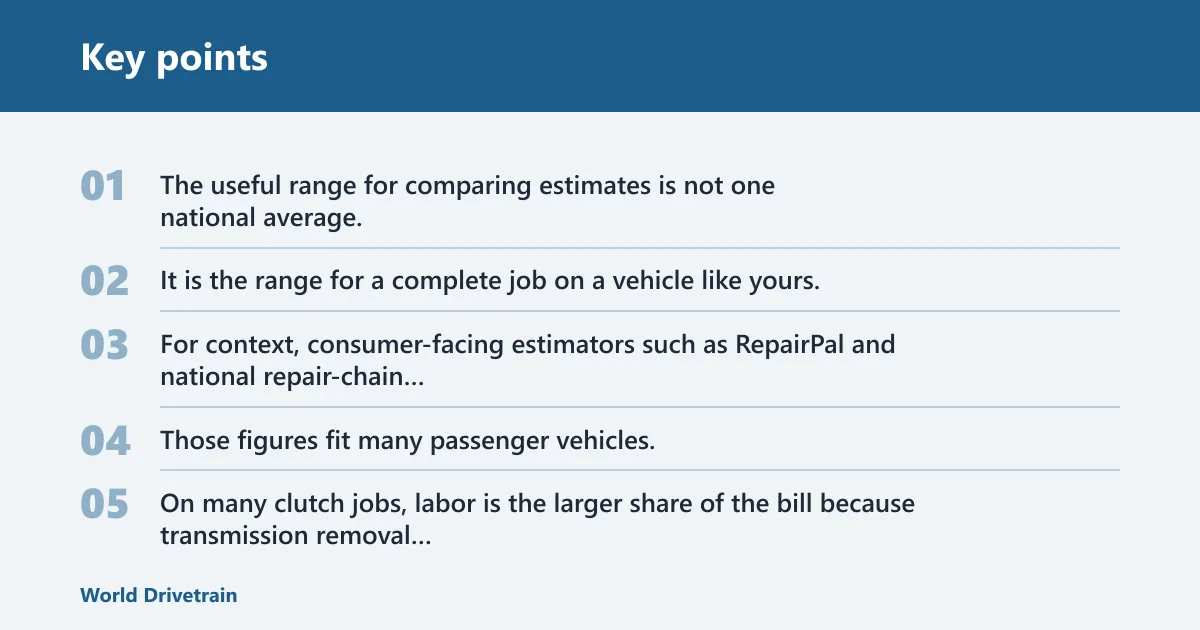
The useful range for comparing estimates is not one national average. It is the range for a complete job on a vehicle like yours, with the same drivetrain layout and flywheel type.
For context, consumer-facing estimators such as RepairPal and national repair-chain pricing pages commonly place many passenger-car clutch jobs around roughly $1,200 to $2,400 before taxes and region effects, while labor-guide-based shop quotes can run lower on simple rear-wheel-drive applications and higher on AWD or dual-mass-flywheel vehicles. Those figures fit many passenger vehicles, but they do not tell you what is inside the quote.
Parts versus labor
On many clutch jobs, labor is the larger share of the bill because transmission removal and reinstallation dominate the work. That split is consistent with common labor-guide times and national labor rates, which is why two shops can quote similar clutch kits yet still end up hundreds apart once labor hours and hourly rate are added.
Mainstream aftermarket and OE-supplier clutch kit parts commonly range from about $200 to $800 for many passenger vehicles, with higher totals for specialty, truck, performance, or dual-disc applications. A normal kit includes the clutch disc, pressure plate, and release bearing. Many shops replace these as a complete set because mixing old and new wear surfaces usually costs more later.
Why totals swing so much
Three variables move the price fastest: how hard the transmission is to remove, what the flywheel needs after inspection, and whether the hydraulic release system sits inside the bell housing.
Most replacement intervals discussed by automakers and major repair chains are usage-dependent rather than fixed, but many consumer references place clutch life somewhere around 60,000 to 100,000 miles under mixed driving. Mileage alone does not price the repair. A lightly worn rear-wheel-drive car with a single-mass flywheel is one estimate. A front-wheel-drive car with a transverse engine, dual-mass flywheel, and concentric slave cylinder is another.
What makes a clutch quote go up?
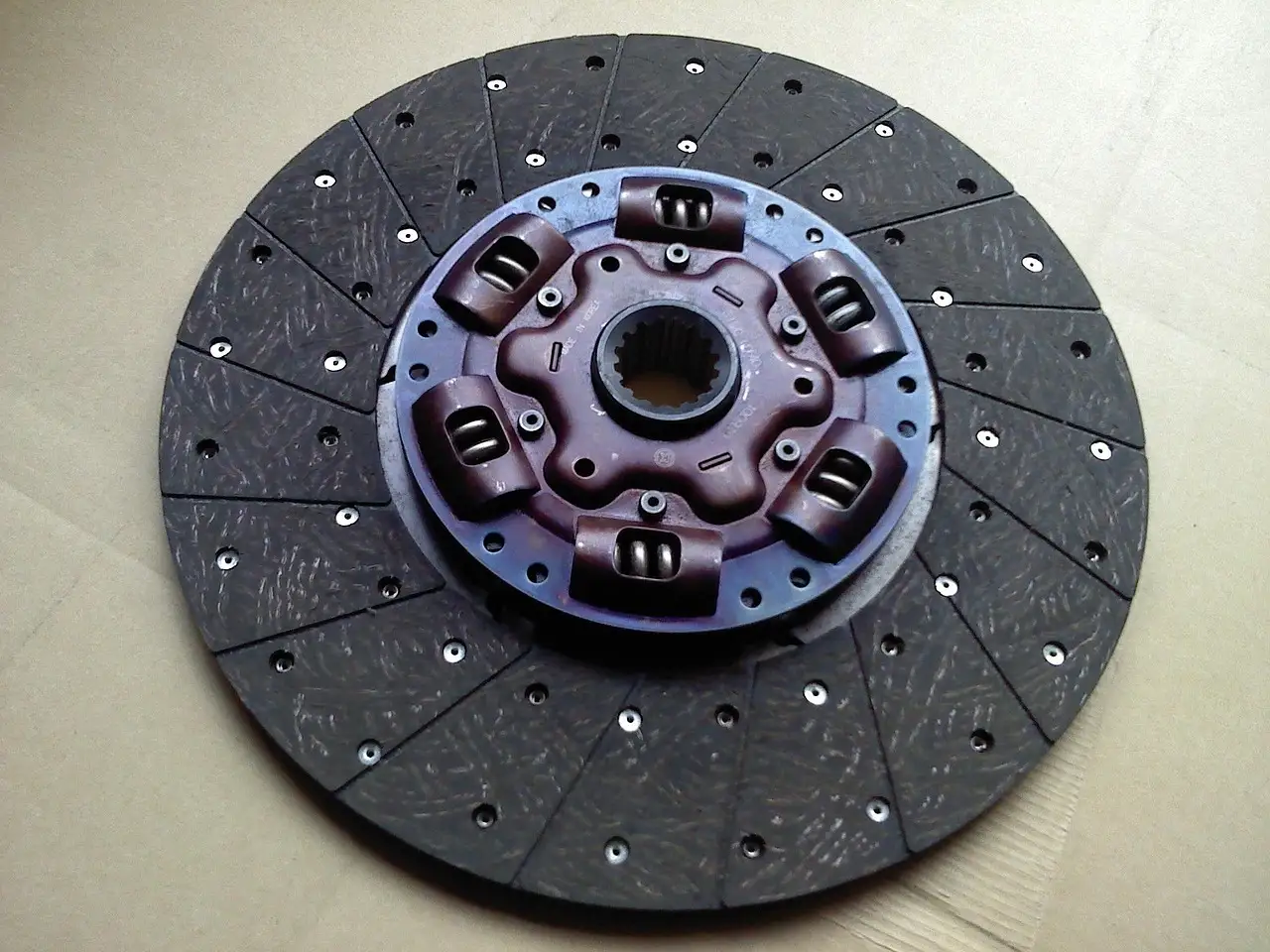
The biggest jumps usually come from labor hours, flywheel replacement, and hydraulic parts that make sense only because the transmission is already out. A quote climbs when the vehicle is front-wheel drive or all-wheel drive, when the flywheel is dual-mass, or when the release system uses an internal concentric slave cylinder.
Labor hours by layout
Clutch replacement commonly takes about 4 to 10 labor hours on passenger vehicles, with some trucks and tightly packaged AWD applications running higher. OEM removal procedures and labor guides routinely show shorter times for simpler longitudinal RWD layouts and longer times for transverse FWD/AWD packaging.
Transverse-engine front-wheel-drive cars often need more disassembly around the subframe, axles, mounts, and tight bell-housing clearance. Rear-wheel-drive manuals can be simpler because the transmission usually drops straight back with fewer packaging conflicts. AWD and 4WD add transfer-case, driveshaft, or extra axle work.
Flywheel and hydraulic penalties
A new flywheel replacement commonly adds a few hundred dollars in parts on many vehicles, and a dual-mass flywheel can add substantially more; OE-style dual-mass units frequently cost enough to push complete job totals well past the middle of the normal clutch-price range. That is the single line item most likely to turn a manageable quote into a painful one.
An internal concentric slave cylinder has a similar effect. The part itself may be moderate, but labor overlap matters more: if it fails later, the transmission has to come back out. That makes proactive replacement reasonable on many quotes.
Shop rate and parts brand
Dealer service departments usually post the highest labor rates, independent shops are often lower, and national chains can fall in the middle. The real comparison is still labor hours, parts brand, and what the estimate includes.
Clutch kits sold in vehicle-brand packaging usually cost more than the same type of kit from the original supplier, and both often cost more than budget aftermarket kits. A low total looks less appealing if the estimate leaves out flywheel machining, fluid refill, or release components that another shop already included.
Cost by vehicle layout
FWD and transverse-engine vehicles
Front-wheel-drive manuals often run higher on labor because packaging is tighter. Expect the quote to reflect axle removal, mount support, and more cramped transmission access. In labor-guide terms, many common FWD passenger cars cluster around roughly 6 to 10 labor hours before any extra flywheel or hydraulic work.
Picture a compact hatchback with a transverse engine and a concentric slave cylinder. One variable changes the estimate fast: the internal slave cylinder. If that part is original and the transmission is already out, declining it can save money today but risks paying nearly the same labor twice.
RWD manual-transmission vehicles
Rear-wheel-drive vehicles often quote more cleanly. Transmission removal can be more direct, and some shops can separate the parts-versus-labor breakdown with fewer “as needed” unknowns. Many straightforward longitudinal RWD cars and light trucks land around roughly 4 to 7 labor hours in common labor guides, though heavier trucks and corrosion can push higher.
That does not make every RWD job cheap. A heavy-duty truck clutch, a large flywheel, or seized hardware can still move the total up.
AWD and 4WD systems
AWD and 4WD usually mean more labor. Extra driveshafts, a transfer case, or tighter underbody packaging add time before the clutch is even visible. It is common for AWD/4WD clutch jobs to price from the upper end of the usual range into well above it once transfer-case handling and dual-mass flywheel cost are included.
If an AWD quote looks only slightly higher than a simple RWD quote, read the line items closely. Sometimes the price is low because the shop left out fluid service, flywheel work, or internal hydraulic parts.
How to estimate your car
The quickest way to estimate your own quote is to sort the vehicle into three buckets: drivetrain layout, flywheel type, and clutch hydraulic design. Those three factors usually explain most of the gap between a basic quote and an expensive one.
Estimate by drivetrain layout
As a starting point, many simple longitudinal RWD manual cars and light trucks with a reusable single-mass flywheel quote around roughly $900 to $1,600 complete. Many transverse FWD cars quote around roughly $1,200 to $2,100 complete because labor access is tighter. AWD or 4WD manuals commonly run around roughly $1,600 to $3,000 or more once extra driveline labor is included. Those are example bands built from labor-guide times plus mainstream parts pricing, not guarantees.
Estimate by flywheel type
A reusable or resurfaceable single-mass flywheel usually keeps the estimate in the lower or middle end of the range. If machining is allowed and the flywheel passes inspection, adding resurfacing may cost far less than replacing it. A dual-mass flywheel is the expensive branch: replacing one can add several hundred dollars to well over $1,000 in parts on some applications, which is why a quote that starts near average can finish much higher.
Estimate by clutch hydraulic design
If your vehicle uses an external slave cylinder and separate master cylinder, hydraulic parts are easier to handle as separate repairs when they are not leaking or failing. If it uses an internal concentric slave cylinder, many shops sensibly recommend replacing it while the transmission is out. On a typical quote, that design difference can change the practical total by roughly the cost of the part now versus almost the full clutch labor again later.
For closely related pricing questions, compare clutch slave cylinder replacement, flywheel replacement, and clutch repair vs replacement before approving the estimate.
Cost by line item
Clutch kit
The clutch kit should usually include the disc, pressure plate, and release bearing. If those parts are listed separately, ask why. A separated quote is not wrong, but it can make comparison harder and hide whether the bearing is actually being replaced.
OEM and OE-supplier kits usually cost more than entry aftermarket kits. On many passenger vehicles, a mainstream kit commonly falls around $200 to $800 in parts, with higher pricing for truck, performance, or specialty applications. The better question is whether the shop specifies the brand or at least the grade of parts, instead of writing only “clutch set” with no detail.
Labor
Labor should show both hours and hourly rate, or at least total labor hours. A total labor dollar amount alone is too opaque to compare accurately.
Say your estimate lists eight labor hours and a second quote lists five for the same front-wheel-drive car with a dual-mass flywheel. Do not assume the five-hour quote is more efficient. It may exclude flywheel handling, fluid refill, or hydraulic bleeding that the longer quote already covers.
Fluids, shop supplies, and small parts
Transmission-fluid refill is commonly legitimate because many manual transmissions need fluid drained for removal. Small seals, gaskets, and hardware can also be fair if they are one-time-use or disturbed during the job.
“Shop supplies” should stay modest and should not duplicate listed cleaners, rags, or fluids elsewhere on the quote. When a shop itemizes both supplies and multiple vague consumable charges, ask for clarification.
Clutch quote decoder
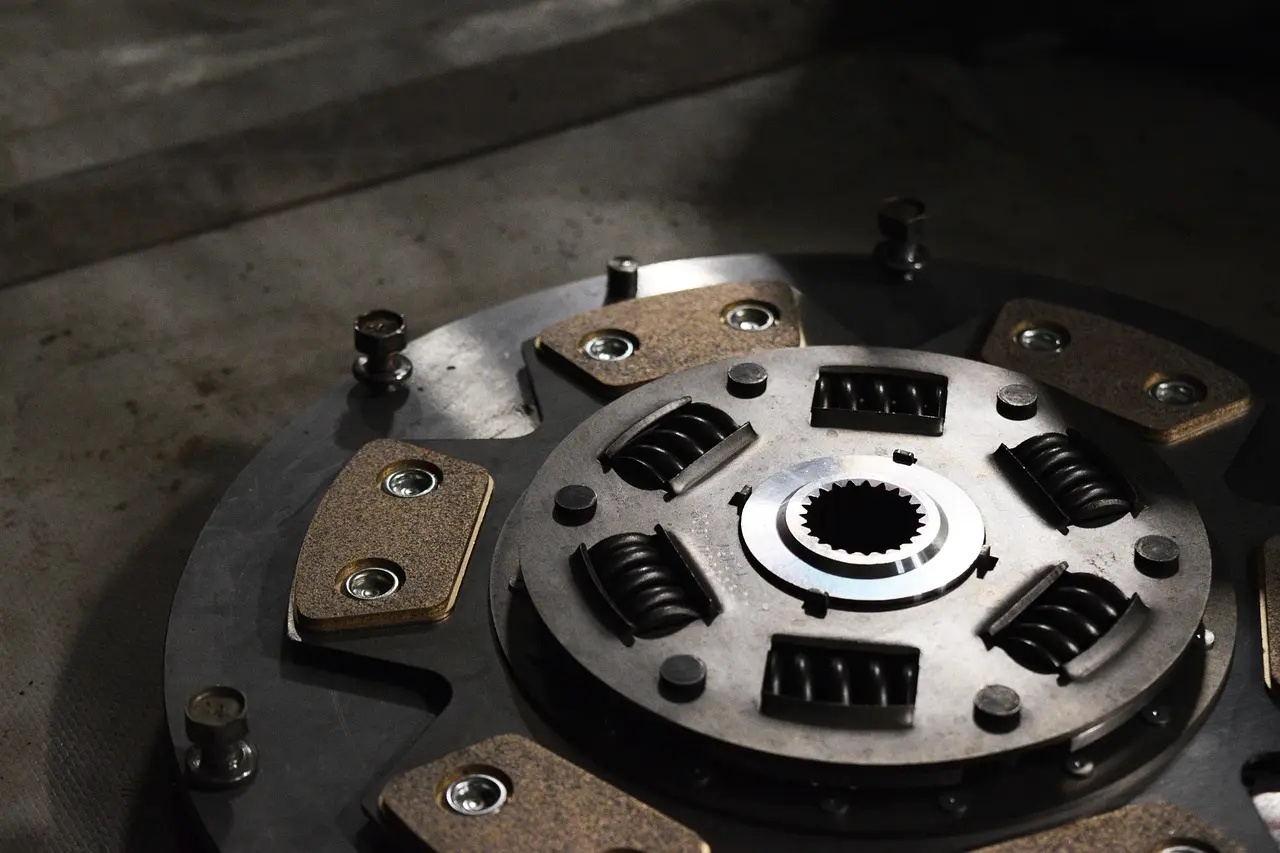
How to use this table
Read each line against the symptom, the layout, and whether the transmission is already coming out. A fair add-on usually has a clear reason tied to access or visible wear. An upsell usually uses broad wording with no leak, no measurement, and no failed-part explanation. The strongest protection is separating what is necessary now from what is merely optional or conditional, then asking the shop to show evidence.
| Line item | Normal price range | When it is necessary | When it is optional or conditional | Ask the shop for proof | Red-flag wording to question |
|---|---|---|---|---|---|
| Clutch kit | $200 to $800 for parts on many passenger vehicles; more for specialty applications | Core repair when the clutch slips, chatters from wear, engages very high, or inspection confirms worn disc or pressure plate; usually replaced as disc, pressure plate, and release bearing together | Optional only if diagnosis shows the problem is hydraulic, linkage-related, or contamination without worn friction parts | Ask for the full kit contents, brand, and the inspection finding on the disc, pressure plate, and release bearing | “Basic clutch parts” with no brand, no bearing, or no kit contents listed |
| Flywheel resurface | Often about $40 to $120 for machine work where available, but varies by shop and region | Acceptable on some single-mass flywheels if surface wear is light and there is no cracking, major heat spotting, deep scoring, warping, or wear beyond spec | Not appropriate on every vehicle because some flywheels are not machinable or may end up below spec after cutting | Ask whether the flywheel is single-mass, whether resurfacing is allowed by service information, and whether the machine shop will confirm final spec | “Recommended on every clutch job” with no inspection notes |
| Flywheel replacement | Often about $200 to $800 added on many vehicles; dual-mass units can be higher | Needed if the flywheel is cracked, badly heat-spotted, scored, warped, below minimum spec, or if a dual-mass unit has excess play or damage | Optional only when the original flywheel is reusable and within spec after inspection; some single-mass units can be resurfaced instead | Ask for the condition report: cracks, runout, scoring, heat damage, minimum thickness, or dual-mass free-play failure | “Replace for best results” with no condition report or dual-mass explanation |
| Slave cylinder | Varies by design; external units may be modest, internal concentric units are more valuable to do during clutch labor | Needed when leaking, sticking, or failing to release fully; proactive replacement often makes sense when it is a concentric slave cylinder inside the bell housing | More optional on an external slave with no leak, no poor pedal feel, and no disengagement problem | Ask whether it is internal or external, whether there is leakage, and what symptom ties the recommendation to the part | “Might fail later” on an external slave with no leak or symptom |
| Master cylinder | Varies; usually separate from clutch-removal labor | Needed when pedal feel is poor, fluid bypass is suspected, or the system will not build or hold pressure | Usually optional if the master is dry, holding pressure, and not causing disengagement issues | Ask for the diagnosis: bypass test result, fluid loss, pedal sink, or inability to bleed/hold pressure | “Replace both hydraulics as a set” with no diagnosis |
| Rear main seal | Usually moderate parts cost; labor overlap makes it attractive only if leaking | Reasonable with documented engine-oil seepage at the rear of the crankshaft while the flywheel is off | Usually optional if the area is dry and there is no active leak | Ask for a photo or direct visual confirmation of fresh oil at the seal area, not just old staining | “Preventive seal replacement” with no sign of leakage |
| Fluids | Usually a normal minor-to-moderate add-on; amount depends on fluid type and fill quantity | Needed if transmission fluid is drained for removal or if hydraulic fluid must be bled after component replacement | Less justified if the transmission does not require draining for access and no hydraulic components were opened | Ask which fluid is being used, how much is required, and whether refill is already built into labor | Separate charges for refill, top-off, and fluid service on the same system |
| Shop fees | Usually modest | Common for disposal and consumables, if not duplicated elsewhere | Optional to question when unusually high or stacked with separate consumables | Ask for a breakdown of disposal, cleaners, and one-time consumables | Large flat “miscellaneous” fee with no breakdown |
Do you need to replace the flywheel too?
No. The flywheel should be inspected, not replaced by default. Some single-mass flywheels can be resurfaced and reused, while damaged or out-of-spec units need replacement. Dual-mass flywheels are the expensive exception because they are usually replaced rather than machined when worn, loose, or heat-damaged.
When resurfacing is acceptable
Resurfacing can make sense on a single-mass flywheel with only normal wear. The inspection should look for heat spotting, cracking, scoring, warping, and wear beyond specification.
If the shop recommends machining, ask whether the flywheel is single-mass and whether the machine shop confirmed it remains within spec after resurfacing. That is a better question than asking if resurfacing is “standard.”
When replacement is mandatory
Replacement is justified when there are cracks, severe hot spots, deep grooves, warping, or thickness loss beyond limits. A dual-mass flywheel with excess rotational play, looseness, or surface damage also usually means replacement.
Suppose two quotes differ by several hundred dollars and only one includes a new flywheel. Ask for the inspection finding in plain terms: cracked, scored, warped, or dual-mass wear. If the answer is vague, the line deserves another look.
Single-mass versus dual-mass
Single-mass flywheels are often more flexible on repair path. Dual-mass units usually narrow your options and can change the whole estimate.
That is why a “cheap clutch job” article can mislead. The clutch itself may be ordinary while the flywheel is what actually drives the bill.
Should hydraulic parts be replaced with the clutch?
Sometimes yes, but the design matters. An external slave cylinder or master cylinder can often be diagnosed and replaced separately. A concentric slave cylinder inside the bell housing is different: if it is old or leaking, replacing it during clutch work often prevents paying clutch labor again for a later hydraulic failure.
Slave cylinder versus master cylinder symptoms
Hydraulic faults can mimic clutch failure. Hard shifting, gear clash into reverse, or incomplete disengagement may come from a slave or master cylinder that is not moving the release system far enough.
That differs from classic clutch slip, where engine speed rises without matching vehicle speed, often with a high engagement point or burning smell. A good estimate should connect the symptom to the recommended part.
Concentric slave cylinders inside the bell housing
An internal concentric slave cylinder shares labor with the clutch job because the transmission must be removed to reach it. This is the hydraulic part most often worth replacing proactively.
If the quote includes one, that is not automatically padding. It can be smart labor overlap. If the quote omits it on a high-mileage vehicle with the original unit, ask whether the shop inspected for seepage or rough operation.
When proactive replacement makes sense
Proactive replacement makes the most sense when the part is internal, access is expensive, and the component shows age or contamination. It makes less sense when the master cylinder is external, dry, and working correctly.
Which extra repairs are reasonable on the same quote?
Reasonable extra items are the ones exposed during clutch removal and backed by visible evidence. Rear main seals, input seals, fluid service, and some gaskets can be efficient to handle at the same time. Vague preventive replacements without a leak or defect deserve proof before approval.
Rear main seal and transmission input seal
A rear main seal is worth considering if there is engine oil at the back of the crankshaft area once the flywheel is off. A transmission input seal can be fair if gear oil contamination is visible inside the bell housing.
Neither seal should be sold on fear alone. Ask whether the leak is active, light seepage, or dry staining from old residue.
Seals, gaskets, and fluid service
Fluid refill is commonly legitimate. Small gaskets or axle seals may also be reasonable if they were disturbed during removal.
A common first-timer mistake is approving every seal on the quote because “the transmission is already out.” Labor overlap matters, but overlap alone does not prove the part is bad.
What needs proof
- Ask what symptom or visible defect supports each extra item.
- Ask whether the part is leaking now, worn beyond spec, or merely old.
- Ask whether the labor is mostly overlap or mostly additional work.
- Ask whether declining the item risks paying the same labor again later.
Can you keep driving before the repair?
Sometimes, briefly, but it depends on the symptom. Intermittent slip or a high engagement point can become a no-drive situation fast. Hard shifting from a hydraulic fault can strand the vehicle without warning, and ongoing slip can overheat the flywheel, raising the final bill beyond a basic clutch job.
Symptoms that mean repair soon
Slipping under load, a high engagement point, and a burning smell point to a worn clutch that is consuming itself. Chatter or shudder on takeoff can come from contamination, heat damage, or flywheel issues.
Those symptoms do not always mean “tow it today,” but they do argue against waiting for weeks if the vehicle is a daily driver.
Symptoms that risk sudden loss of drive
Hard shifting, difficulty selecting reverse, or a pedal that feels soft or sinks can point to hydraulic failure. That can change from annoying to stranded quickly.
If the clutch already slips in higher gears, continued driving can glaze or overheat related surfaces. That can turn a resurfacing candidate into a replacement flywheel.
How to compare estimates from different shops
Compare included work, not totals alone
Start with three columns: parts, labor hours, and included add-ons. A lower total means little if it leaves out machining, hydraulics, or fluid service that another shop already priced honestly.
Shop type and labor-rate bands
Dealerships often price highest, independents often lower, and chains vary. But the cheaper shop is not automatically the better value if the estimate is vague or light on included items.
Labor-rate differences matter, but labor hours matter just as much. A modestly higher hourly rate can still produce the better quote if the shop is transparent about included operations and does not leave out likely clutch-related parts.
Questions worth asking
- Does the clutch kit include the disc, pressure plate, and release bearing?
- Is the flywheel single-mass or dual-mass, and is resurfacing actually allowed?
- How many labor hours are included?
- Are slave cylinder or master cylinder recommendations based on a leak or symptom?
- Does the total include transmission-fluid refill and hydraulic bleeding?
- What warranty applies to parts and labor, and which brand is being installed?
Frequently asked questions
How much should a clutch replacement cost?
For many passenger vehicles, a fair shop quote often falls near the middle of the broad national spread rather than at the extremes. A common real-world range is roughly $800 to $2,500 for a complete job, while AWD layouts, trucks, and dual-mass flywheels can run higher. The biggest drivers are labor time, flywheel condition, and hydraulic design.
How much for a clutch replacement on my car?
The best predictor is your vehicle layout and flywheel type. A rear-wheel-drive manual with a reusable single-mass flywheel is often simpler than a front-wheel-drive transverse car or an AWD model with an internal slave cylinder and a dual-mass flywheel, which can add both labor and parts cost.
How expensive is it to replace a clutch?
It gets expensive because labor is usually the larger share of the bill and because the transmission has to come out before the shop can fully inspect the flywheel and some seals. That is why the same clutch kit can produce very different totals once labor hours and related parts are added.
How much does replacing a clutch cost at a shop?
Shop pricing depends on the posted labor rate, the quoted labor hours, and what the estimate includes. For many passenger vehicles, complete quotes commonly land around the low-to-mid four figures, but that number is useful only after checking whether fluid service, flywheel work, and release components are included.
Do I need to replace the flywheel with the clutch?
No. The flywheel should be inspected first. Some single-mass flywheels can be resurfaced if wear is light and the part remains within spec, while cracked, warped, heavily scored, or worn dual-mass units usually need replacement. Ask for the condition finding, not just the recommendation.
How long does clutch replacement usually take?
On many passenger vehicles, clutch replacement commonly books at about 4 to 10 labor hours, with simple longitudinal layouts often near the lower end and transverse or AWD layouts often higher. Actual turnaround can still stretch if machine work, parts delays, or seized hardware slow the job.
Sources
- OEM service information for representative manual-transmission clutch and transaxle removal procedures, used to compare access differences between transverse FWD, longitudinal RWD, and AWD layouts.
- ALLDATA and Mitchell 1 labor guides, used to benchmark common clutch labor-time ranges and related overlap operations such as transmission removal, flywheel handling, and hydraulic bleeding.
- RepairPal consumer repair estimator, used as a broad consumer-facing reference for complete clutch replacement totals by vehicle.
- Major repair-chain pricing and service references, used to cross-check consumer-facing clutch job ranges and common included operations.
- OE-supplier and mainstream aftermarket catalog pricing for clutch kits, concentric slave cylinders, and flywheels, used to derive typical parts bands for common passenger vehicles.
- Vehicle manufacturer service guidance on flywheel inspection limits, resurfacing eligibility, and dual-mass replacement criteria where applicable.