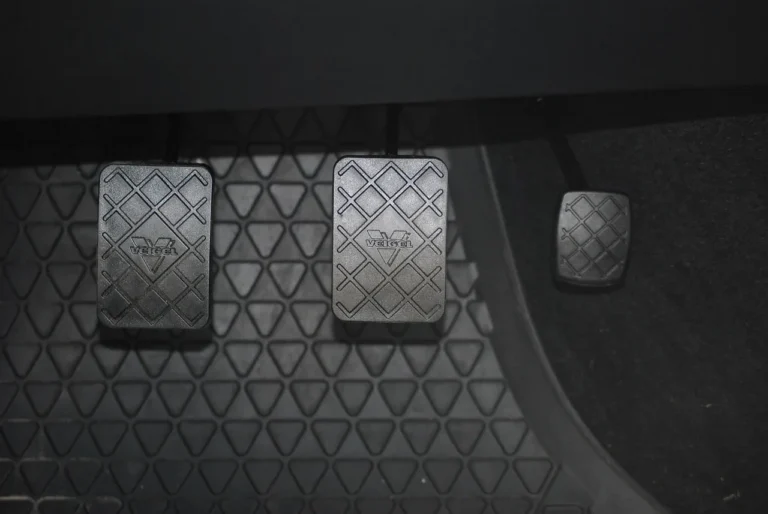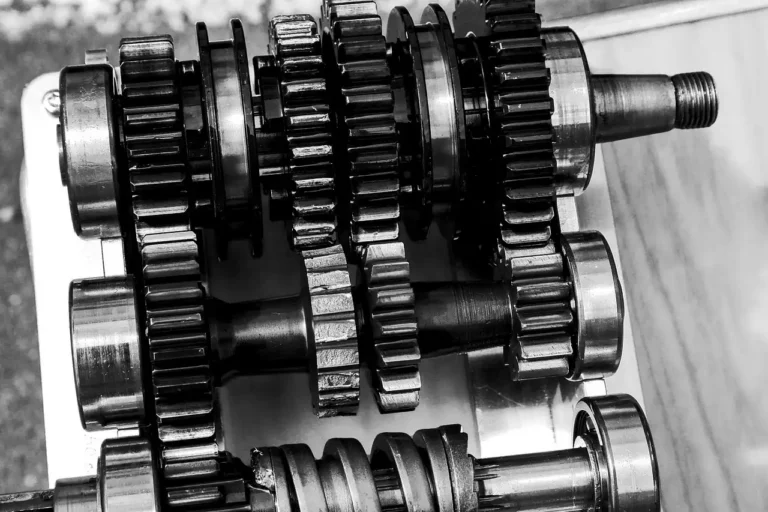
Clutch Slipping: Symptoms, Causes, and What to Do
Clutch slip usually means engine rpm rises faster than road speed in a higher gear under moderate throttle, and if revs jump by about 500 RPM without matching acceleration, it should be treated as real slip. Ignore it and you can overheat the clutch, get stranded, and turn a small hydraulic or adjustment fault into a full clutch-and-flywheel bill. This guide separates true slip from lookalikes, shows a driver-safe triage check, and explains when you can limp to a shop versus stop driving.
What does clutch slipping actually feel like?
A slipping clutch feels like the tach climbs and the engine note rises, but the car does not gain speed at the same rate. You usually notice it first under load, especially uphill, during hard acceleration, or in higher gears.
The core symptom is RPM flare without matching speed
The key clue is simple: a slipping clutch makes engine revs rise without a matching increase in vehicle speed. That differs from a healthy clutch, where revs and speed climb together once the clutch pedal is fully released.
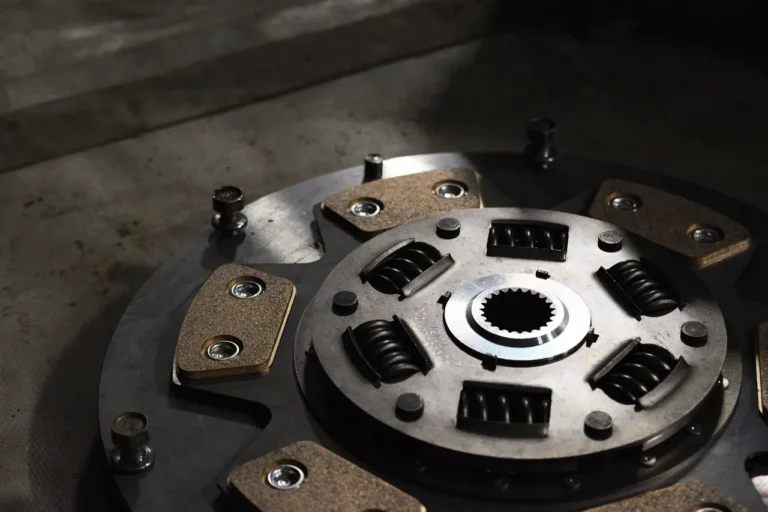
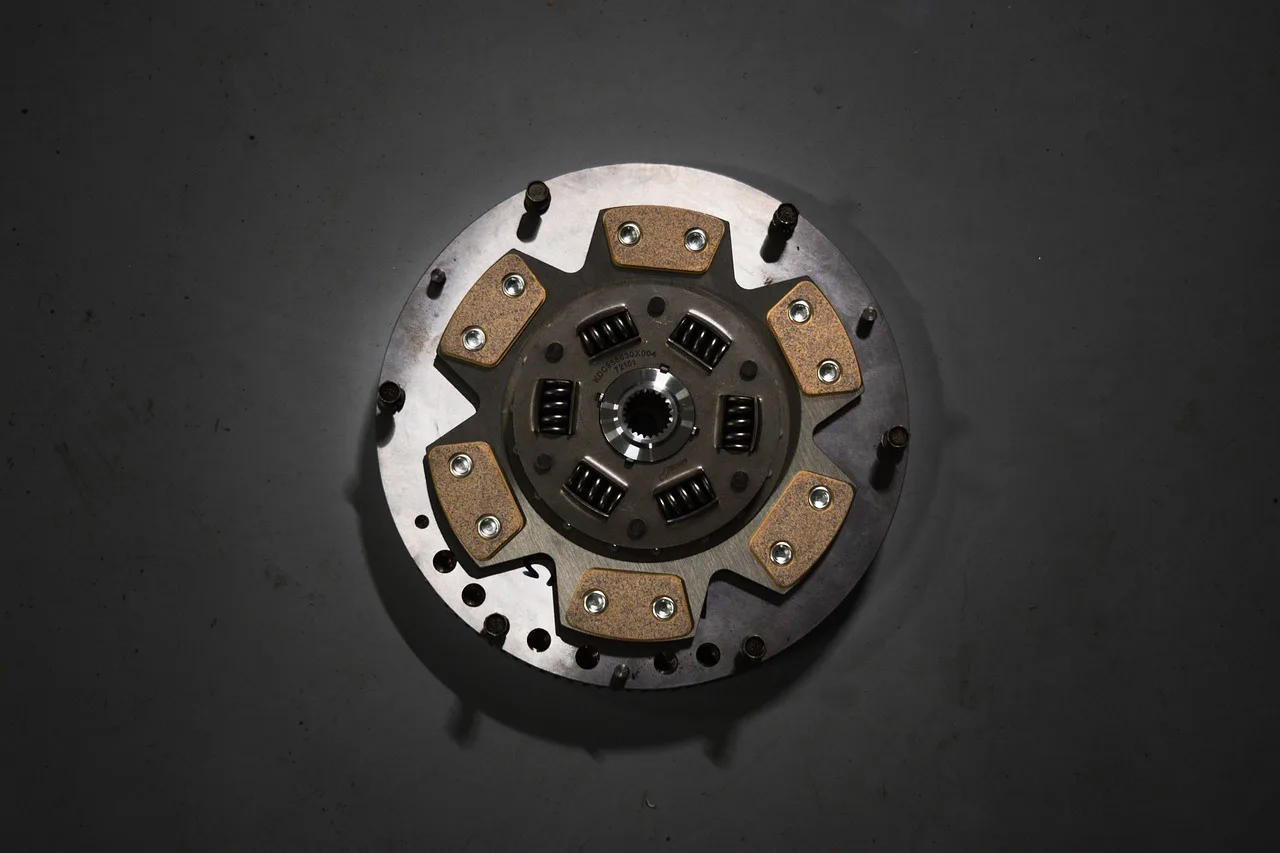
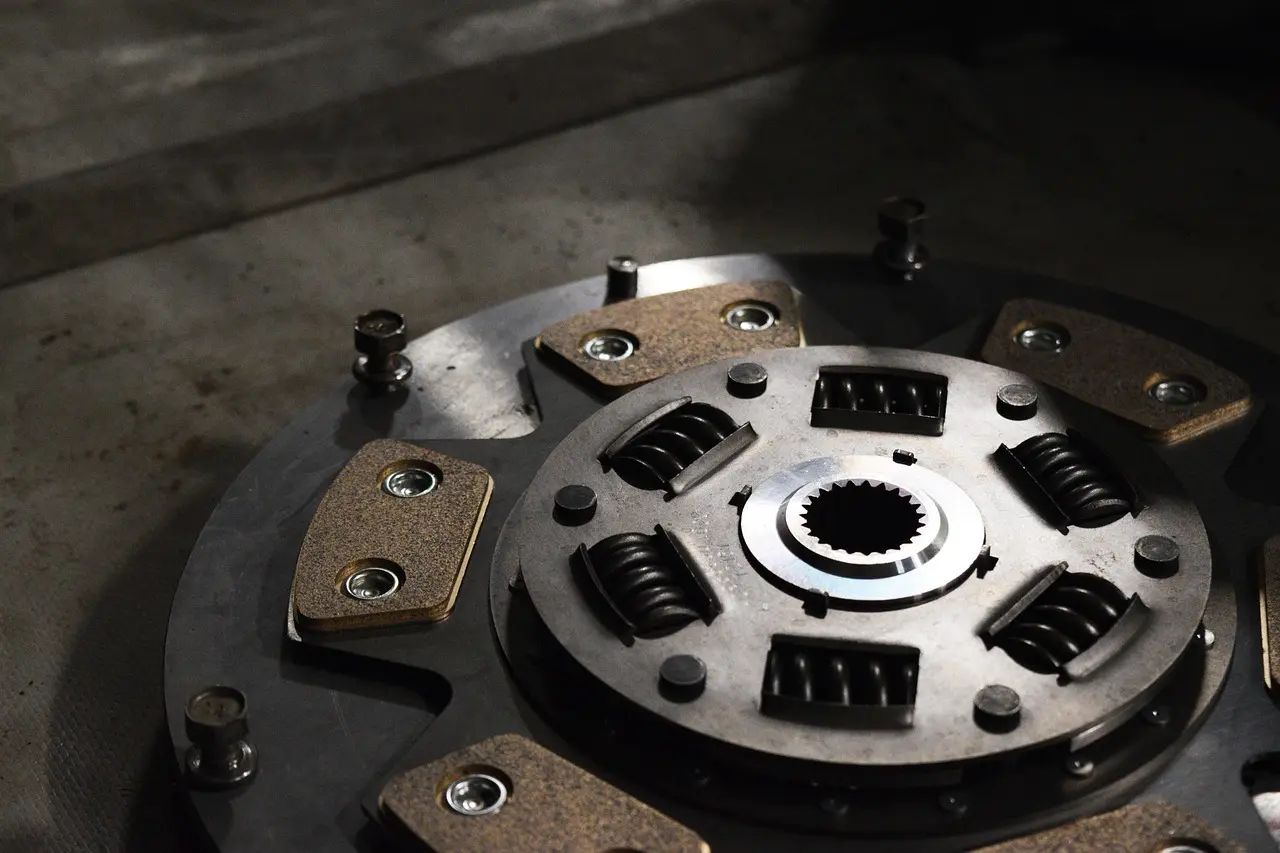
On a manual car, the clutch disc is the friction part between the flywheel and pressure plate. When clamp force and friction are adequate, the disc locks to the flywheel and sends torque into the transmission. When the disc is worn, overheated, contaminated, or not clamped hard enough, it slides instead of locking.
The tachometer matters here. If the needle jumps under load and the car does not pull in the same proportion, that tells you more than sound, smell, or guesswork.
Why higher gears and hills expose slip first
Slip often shows up more clearly in higher gears because the engine has less mechanical advantage there. Hill climbing does the same thing. Towing, a full load of passengers, or heavy throttle add similar stress.
That is why a clutch can seem nearly normal around town, then flare badly when you merge uphill or accelerate from low rpm in a taller gear. Load matters as much as clutch condition.
What normal engagement should feel like
A healthy clutch engages progressively, then fully. Once the clutch pedal is up, the bite point has passed, and revs should track road speed cleanly. Some cars engage lower, some higher, so the exact bite point alone does not prove anything.
A common mistake is blaming every quick rise in rpm on the clutch. If the road is wet and the driven tires spin, the engine can flare too. The difference is that wheelspin usually comes with traction-control activity, tire noise, or a squirm from the driven wheels.
What are the first signs of a slipping clutch?
The first signs are usually mild and load-dependent: a brief rpm flare during acceleration, a clutch bite point that moves higher in the pedal travel, and a burning smell after hill starts or traffic. Early symptoms often show up before normal commuting feels badly affected, which is why many drivers miss them.
Early RPM flare under load
The earliest reliable symptom is often a short tachometer flare during hard acceleration. Clutch slip is especially noticeable during hard acceleration, and many drivers first spot it during a highway merge or uphill pass.
If that flare happens once in a very specific heavy-load condition, the clutch may still have some service life left. If it repeats in the same gear and load window, it deserves prompt diagnosis.
High clutch bite point and changing pedal travel
A high bite point means the clutch engages near the top of pedal travel. As friction material wears thinner over time, the bite point often moves higher. A very high bite point can mean reduced remaining life, but by itself it does not prove active slip.
The clutch pedal can also change feel. Reduced resistance, a spongy pedal, or altered pedal travel can point to hydraulic or cable issues rather than pure friction wear. That matters because a release or hydraulic fault may be repairable without a full clutch job.
Burning smell after starts, traffic, or hills
A burning clutch odor can resemble scorched paper, hot brakes, or burning rubber. It points to the clutch disc and mating surfaces getting hot enough to burn friction material. Frequent or strong burning smells indicate serious clutch damage.
Say your commute includes a steep parking-ramp exit and stop-and-go traffic. If the smell appears only after that ramp and fades on easier drives, heat is exposing a marginal clutch rather than proving total failure. If the smell appears during every drive, the timeline can shrink fast.
When mild symptoms still suggest limited life
Some clutches begin with only a high bite point and occasional flare in a tall gear, yet still have less than 5,000-10,000 miles of life remaining in some cases. That is not a promise or a countdown, it is a warning that “still drivable” and “healthy” are not the same thing.
If symptoms are mild, repeatable, and only under heavy load, there may be time to plan repairs. If symptoms are spreading into ordinary starts, lower gears, or light throttle, the remaining margin is small.
How do you confirm clutch slip safely?
A common way to confirm clutch slip is one controlled road test after a few basic checks. Use the tachometer, choose a flat road, test in 3rd or 4th gear, and stop immediately if revs flare hard, the clutch smells hot, or pedal feel changes suddenly.
Pre-checks before any road test
Before driving, check anything that can distort the result. Make sure the road is dry, traction control is not cutting power, and the engine is fully warmed and running smoothly. If the engine is misfiring, surging, or showing a transmission warning light, note that, but do not treat the warning light alone as a clutch diagnosis.
Also pay attention to pedal feel before moving. A loose, spongy, or unusually light clutch pedal raises the chance of a hydraulic or release problem instead of simple disc wear.
A low-risk tachometer test in a higher gear
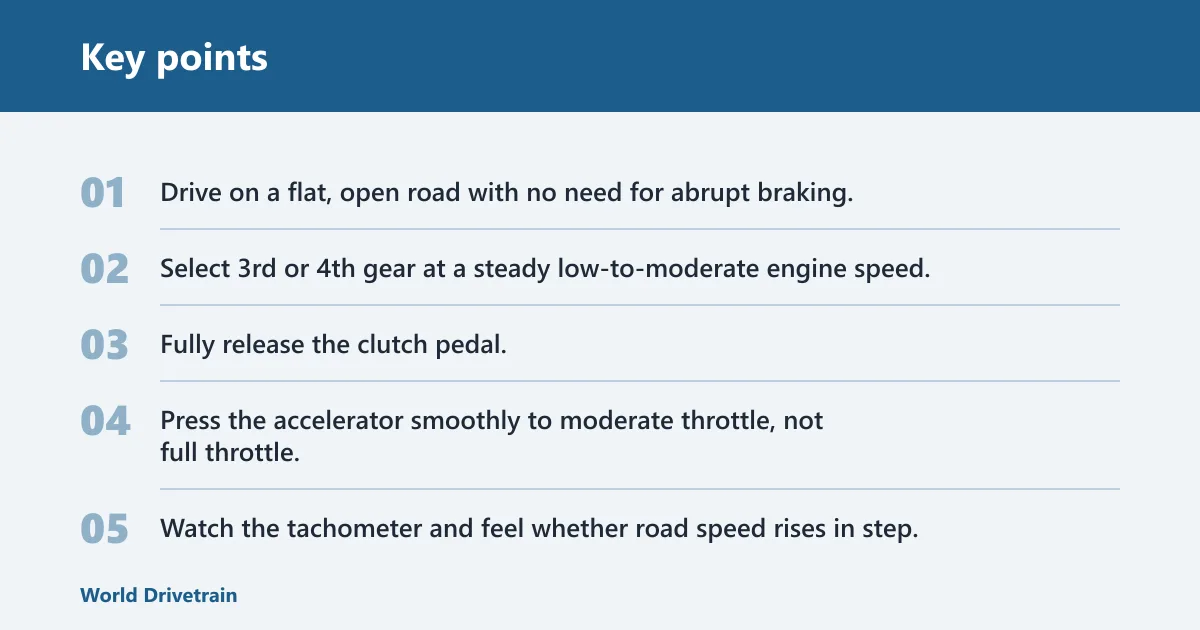
- Drive on a flat, open road with no need for abrupt braking.
- Select 3rd or 4th gear at a steady low-to-moderate engine speed.
- Fully release the clutch pedal.
- Press the accelerator smoothly to moderate throttle, not full throttle.
- Watch the tachometer and feel whether road speed rises in step.
A tachometer rise of 500+ RPM without matching speed is a strong slip clue. One clean result is enough. Repeating hard pulls only adds heat and can turn a borderline clutch into a damaged one.
When to stop testing immediately
Stop the test if the revs flare sharply more than once, if a burning smell starts, if the pedal suddenly goes soft, or if the car struggles to move despite rising rpm. Those signs mean heat is building and the test is no longer diagnostic only, it is becoming damage.
Suppose the car is fine in 2nd, then in 4th gear at moderate throttle the tachometer jumps and the speed barely changes. If the smell of scorched paper follows within a minute, stop testing there and treat it as active slip.
What results strongly suggest true slip
True clutch slip is most likely when four things line up: the clutch pedal is fully up, the road is dry, the engine sounds smooth, and rpm rises ahead of speed under load. The more repeatable that pattern is in the same gear-load condition, the stronger the diagnosis.
By contrast, if power cuts in and out, the engine stumbles, or the car jerks while rpm does not cleanly flare, look first at engine output, traction, or driveline control systems.
How to test for clutch slip in under two minutes
Check for clutch slip covers a quick, low-risk sequence to verify if your transmission is losing grip. It explains how to perform a high-gear acceleration test where engine speed spikes 300–500 RPM without a corresponding increase in road speed. This concrete metric helps distinguish genuine mechanical failure from false alarms caused by normal shifting lag or low-torque conditions.
Identifying slip early prevents catastrophic overheating of the friction disc and protects the flywheel from costly damage. The guide also outlines common causes and immediate triage steps, ensuring you know exactly when to stop driving and seek professional repair.
What can look like clutch slip but is not?
Several faults can mimic clutch slip. Engine misfire can feel weak without causing a clean rpm flare, wheelspin can send revs up on low-traction surfaces, some automatic or DCT behavior can look similar from the driver’s seat, and hard shifting often points to release or hydraulic trouble instead of torque-transfer slip.
Engine misfire or power loss versus RPM flare
An engine misfire usually feels rough, uneven, or hesitant. The car may bog, shake, or flash a warning light, but the tachometer often does not jump cleanly ahead of speed. Clutch slip is smoother in a strange way: revs rise, speed does not follow, and the engine may otherwise sound normal.
Wheelspin on wet or loose surfaces
Wheelspin can imitate clutch slip because the engine revs rise without the car gaining speed proportionally. The difference is where the loss happens. With wheelspin, the clutch may be fine and the tires are slipping against the road.
Clues include wet pavement, gravel, steering correction, traction-control intervention, and tire noise. A dry-road repeat in the same gear is far more useful than any result on a loose surface.
Automatic and DCT behavior mistaken for clutch problems
On an automatic, torque-converter slip during takeoff or lockup changes at light throttle can feel like a soft flare. That is not the same fault path as a manual clutch disc slipping against a flywheel. On a dual-clutch transmission, computer-controlled clutch behavior can also produce brief flare during shifts or fault conditions.
If the vehicle is not a conventional manual, diagnosis needs to stay tied to that transmission type. A driver should not assume every rpm rise is a worn clutch pack.
Hard shifting from release, cable, or hydraulic faults
Hard shifting does not always mean the clutch is slipping. In many cases it points to incomplete release: the clutch is not separating cleanly when the pedal is pressed. That can come from air in the hydraulic system, low hydraulic travel, cable adjustment issues where applicable, or a release mechanism fault.
A dragging clutch and a slipping clutch are opposite torque-transfer problems. One fails to disengage cleanly, the other fails to engage fully. Both can exist together, but they should not be lumped into one symptom.
What causes a clutch to start slipping?
Most clutch slip starts with lost friction or lost clamp force. The usual causes are a worn or heat-glazed clutch disc, a weak or heat-damaged pressure plate, a flywheel surface damaged by hot spots or warping, or release-system faults that prevent full clamping after the pedal is released.
Clutch disc wear and heat glazing
The clutch disc wears thinner over time. As the friction material gets thinner, the available grip falls and the bite point often moves higher. If the disc slips repeatedly, it can burn and overheat, which hardens or glazes the friction surface and makes future slip easier.
City traffic, repeated hill starts, riding the pedal, and towing all add heat in different ways. The result is the same: less friction reserve when load goes up.
Weak pressure plate clamp load
The pressure plate has one job here: clamp the clutch disc against the flywheel hard enough for full engagement. If spring force drops or the friction surface is heat-damaged, the clutch can slip even if the disc is not completely worn out.
Heat from slippage can damage the pressure plate, and once clamp load drops, the cycle feeds itself. More slip makes more heat, more heat reduces grip further.
Flywheel hot spots, warping, and surface damage
The flywheel mates with the clutch disc during engagement. Excess heat can create hot spots, cracks, or warping, and the article warns clutch heat can warp the flywheel and pressure plate. When the flywheel face is no longer true, a new disc may not bed in correctly and an old disc may start slipping sooner.
This is why repair decisions often include resurfacing or replacement. Flywheel-related repair can raise costs to $1,000-2,000+ depending on the vehicle and parts involved.
Hydraulic, cable, or contamination faults
A clutch that slips after replacement or slips only when hot deserves a wider look. Oil contamination from an engine rear main seal or transmission input seal can soak the disc and reduce friction. A release system that keeps slight pressure on the clutch can also hold the assembly partly disengaged once heat builds.
Slip after replacement raises questions about installation, flywheel condition, incompatible parts, contamination, or adjustment where applicable. It should not be dismissed as “normal break-in” if the tachometer flare is clear.
Clutch slip triage table
| Symptom pattern | Likely severity | Immediate action |
|---|---|---|
| RPM flare in high gear under moderate throttle, no smell, repeatable on dry road | Moderate | Limit driving, avoid hills and hard acceleration, book inspection soon |
| Burning smell after hill starts or stop-and-go traffic, then fades | Moderate to high | Reduce heat immediately, avoid slipping the clutch, schedule prompt service |
| High bite point with normal performance and no tach flare | Low to moderate | Monitor closely, note any change in pedal travel or flare under load |
| Slip only when hot after longer drives or traffic | Moderate to high | Suspect heat-related wear, contamination, or release issues; arrange diagnosis quickly |
| Slip after replacement | High | Return to installer or inspect for flywheel, hydraulic, contamination, or parts-match faults |
| Hard shifting with little or no RPM flare | Variable | Check release, cable, or hydraulic system before assuming worn friction material |
| A stop-driving threshold is repeated flare in normal driving, a strong smell on most drives, or poor movement while rpm rises. | Severe | Do not continue except to reach a safe location; arrange tow or immediate repair |
| Safe to monitor threshold: high bite point only, normal acceleration, no smell, no repeatable flare on a careful dry-road check | Low | Monitor and recheck soon, but avoid treating it as fixed |
Can you keep driving if the clutch is slipping?
Sometimes, briefly, but only if the slip is mild, limited to heavy load, and absent in normal starts and low-load driving. Once slip appears in ordinary use, creates a strong smell, or changes pedal feel, driving can turn a repairable problem into a stranded-car problem quickly.
When short, low-load driving may be acceptable
If the only symptom is a mild flare in a taller gear, with no burning smell and no obvious change in takeoff, a short trip to a nearby repair shop may be reasonable. Keep load low, choose flat roads, and avoid rush-hour stop-and-go traffic.
This is triage, not approval for normal use. The aim is to move the car with the least extra heat possible.
Situations that can accelerate failure fast
Hills, towing, repeated launches, parking ramps, and performance driving all build heat much faster than gentle cruising. A burning smell during every drive may lead to failure in days or weeks. Once the disc overheats badly, the pressure plate and flywheel can follow.
Towing is especially hard on a marginal clutch because the load is sustained. City traffic is hard in a different way because engagement events are constant. Performance driving raises temperature through repeated high-torque application.
A same-day checklist if the car must stay mobile
- Cancel towing, hauling, or any extra load.
- Choose the flattest route available.
- Use the lowest practical throttle that keeps traffic flow safe.
- Avoid holding the car on hills with the clutch.
- Do not do repeated test pulls to “see if it got worse.”
- Minimize stop-and-go driving if another vehicle is available.
- Book inspection the same day if the symptom is confirmed.
What damage can a slipping clutch cause next?
A slipping clutch can overheat the clutch disc first, then damage the pressure plate and flywheel. Heat can warp metal faces, create hot spots, and leave the next repair needing more than a disc alone. The longer slip continues, the faster the timeline usually shortens.
Heat damage to the clutch disc and pressure plate
The clutch disc is the first part to suffer because it is the friction surface being forced to slide. As it overheats, it can burn, glaze, and shed material. The pressure plate then sees more heat and can lose clamping effectiveness or develop surface damage.
Flywheel resurfacing versus replacement
If the flywheel face is still within service condition, resurfacing may restore a proper mating surface for the new disc. If it is cracked, badly warped, or beyond service limits, replacement is the safer path. The exact call depends on vehicle design and flywheel condition, not on mileage alone.
Can a slipping clutch damage the transmission? Indirectly, yes. The main direct damage path is to the clutch disc, pressure plate, and flywheel, but severe clutch problems can leave the car hard to move, hard to shift, or stressful to operate.
How symptom progression usually unfolds
The common pattern is load-only slip first, then repeatable flare in higher gears, then smell and worsening takeoff, then slip in more ordinary driving. By the end, the engine revs freely and the car barely accelerates. That final stage can arrive slowly or suddenly depending on heat.
If the smell is frequent, the countdown can be short. If the symptom is limited to one heavy-load condition, there may be some margin left, but it rarely improves on its own.
Why towing, city traffic, and performance use change the timeline
Each use case adds heat differently. Towing adds sustained torque demand. City traffic adds repeated slip events during starts. Performance driving adds hard acceleration where the article says clutch slip is especially noticeable.
Picture a manual hatchback that only slips in 5th on the highway. Used for easy commuting, it may stay in that stage for a while. Put the same car into daily hill traffic with a roof box and two passengers, and the symptom can spread much faster.
What repair path fits the symptom pattern?
The right repair depends on whether the problem is friction wear, clamp loss, contamination, or release-system error. A high bite point alone may justify monitoring, a spongy pedal may point to hydraulics, slip after replacement raises installation or flywheel questions, and repeatable flare with smell often ends in a full clutch job.
Adjustment or hydraulic repair when the clutch itself is not worn out
Some vehicles allow cable adjustment, and some faults are hydraulic rather than friction-related. If pedal travel has changed, resistance is reduced, or release point behavior is odd, inspection should include the master cylinder, slave cylinder, lines, and adjustment where applicable.
That path is most plausible when hard shifting or poor release is more obvious than rpm flare.
When contamination or installation faults explain the problem
Oil on the disc can cause real slip without the disc being worn out in the normal sense. A recent clutch replacement that slips can point to contamination, a flywheel surface issue, incorrect parts, or a release system that is not allowing full clamp load.
That matters because replacing the disc alone without fixing the leak or flywheel problem can repeat the failure.
When a full clutch job is the likely fix
If the car has repeatable tachometer flare under load, a high bite point, hot smell, and worsening operation, a full clutch kit is the usual answer. That normally means the clutch disc, pressure plate, and release bearing, with the flywheel assessed for resurfacing or replacement at the same time.
Once heat damage is clear, piecemeal repair tends to make less sense than renewing the wear surfaces together.
What to replace with the clutch and why
The release bearing is commonly replaced because labor overlaps heavily with the clutch job. The flywheel should be inspected closely because it mates directly with the clutch disc during engagement. If heat has marked or warped it, leaving it in place can spoil the new clutch.
Hydraulic parts are not automatic replacements, but if the pedal feel is spongy or travel is inconsistent, they belong in the estimate and the diagnosis.
Frequently asked questions
How do I test whether my clutch is slipping?
Use one careful road test on a dry, flat road in 3rd or 4th gear. Apply moderate throttle with the clutch pedal fully released and watch the tachometer. If revs rise 500+ RPM without matching acceleration, stop testing and treat that as a strong sign of real slip.
Why does my clutch slip more in higher gears or uphill?
Higher gears and hills load the clutch harder because the engine has less mechanical advantage and must transmit more torque through the same friction surfaces. That is why a marginal clutch often feels normal in easy driving but slips in 4th, 5th, or 6th gear or during hill climbing.
What does a slipping clutch smell like?
A slipping clutch smell can resemble scorched paper, hot brakes, or burning rubber. That odor comes from friction material and clutch surfaces getting hot enough to scorch. If the smell is frequent or strong, the clutch is overheating and the risk of damage to the pressure plate and flywheel rises quickly.
Can a slipping clutch damage the flywheel or transmission?
Yes. Excess clutch heat can warp the flywheel and pressure plate, and that can turn a simpler repair into one that needs resurfacing or replacement. The direct damage path is usually in the clutch assembly first, but severe slip can also leave the drivetrain hard to operate and shift cleanly.
How long can a slipping clutch last once symptoms start?
There is no single timeline. A mild flare only in high gear may leave limited service life, while a strong burning smell during every drive may lead to failure in days or weeks. Once symptoms spread into normal driving, the remaining margin is usually short and unpredictable.