Why Does My Clutch Pedal Have No Resistance? Causes
A clutch pedal with little or no resistance often points to a hydraulic problem, a broken cable, or a disconnected linkage; if fluid is low or leaking, or the clutch will not disengage, do not keep driving. Ignoring it can leave you unable to shift, strand the car, or damage the gearbox from forced gear changes. This guide shows the symptom-first checks technicians use to separate cable, hydraulic, and mechanical failures in order.
Recognizing a Dead Cl pedal and Assessing Shift Capability
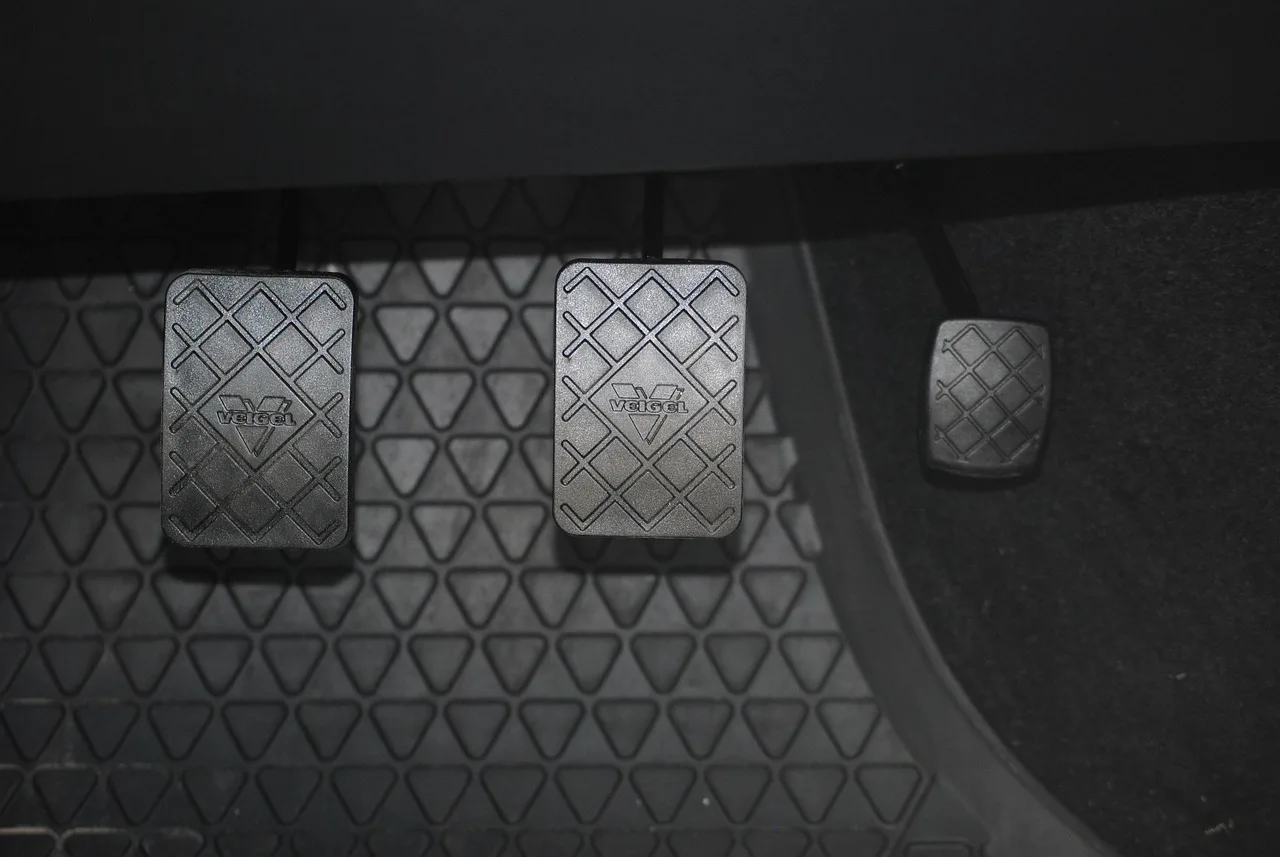
A dead clutch pedal is not the same as a spongy one. No resistance means the pedal moves with little or no spring load, often drops to the floor, or stays down after you press it. The key question is simple: does the manual transmission still disengage and shift, or is the clutch no longer separating the engine from the gearbox?
What normal clutch resistance should feel like
On a healthy system, the pedal offers firm, predictable pushback as the release mechanism loads up. The bite point should repeat from one press to the next. A higher-than-normal bite point can appear before total loss of resistance, and shifting difficulty is often one of the first clues that the clutch is moving out of spec.
Say your pedal suddenly sinks with almost no effort, then sits on the floor and the car grinds into reverse. That pattern points away from wear alone and toward a control-system failure. If the pedal still returns but the bite point has climbed higher than usual, the fault may be developing rather than fully failed.
The first decision: can the car still disengage and shift?
If the clutch still releases enough to select gears cleanly, the car may be limped a short distance to a repair site. If it will not disengage, forcing shifts can damage the synchros and gearbox. That is why pedal feel must be read together with gear engagement, not in isolation.
Check these first before you touch parts
Start with the fastest checks. Check the fluid reservoir, inspect for wetness around the firewall, master cylinder, slave cylinder, and transmission bellhousing, then test pedal return. These checks separate external loss from internal failure and often point to the broken part before anything is removed.
- Check the clutch/brake fluid reservoir and confirm the level against the full line.
- Look for damp streaks around the master cylinder where it passes through the firewall.
- Inspect the transmission bellhousing and slave-cylinder area for fresh fluid.
- Press the pedal and note whether it returns on its own.
- Try selecting reverse and first gear with the engine running, but only if the car still rolls and stops normally.
What each quick check tells you
A low reservoir often points to fluid loss somewhere in the hydraulic clutch system. Dampness at the firewall points toward the clutch master cylinder, especially if the area around the pushrod is wet. Fluid near the bellhousing or slave cylinder points lower in the system. A pedal that stays down points to a return problem, a seized linkage, or lost hydraulic pressure.
Brake fluid or clutch fluid is the hydraulic medium in many systems, so a low level matters. But low fluid does not prove one part. It tells you where to keep looking. Internal leakage can empty the working side of the system without leaving much on the floor.
Is the clutch hydraulic system failing?
In a hydraulic clutch system, the master cylinder converts pedal force into fluid pressure, and the slave cylinder turns that pressure into movement at the fork. If either unit leaks internally or externally, pressure drops and the pedal can feel dead, fall to the floor, or stop disengaging the clutch.
How the master cylinder and slave cylinder work together
The master cylinder sits near the pedal assembly and sends pressurized fluid through a line to the slave cylinder. The slave then moves the clutch fork and release bearing. When fluid level falls, seals fail, or air enters the circuit, that transfer of force breaks down fast.
Signs of master cylinder inner seal leakage
The clutch master cylinder can fail because of leaking inner seals. That failure can hide from an external inspection because fluid bypasses the seal internally instead of dripping out. A common clue is a pedal that feels normal for a moment, then drops, or one that no longer builds pressure even though the reservoir is not empty.
Check the master cylinder area on the firewall and the carpet near the pedal box for dampness, then look for fluid tracks down the firewall. If the pedal sinks but the reservoir still looks full, suspect internal seal leakage before assuming the line or slave cylinder is at fault.
Signs of slave cylinder seal leakage and pressure loss
The slave cylinder is also a common source of fluid loss and pressure problems. A wet bellhousing, fluid on the transmission case, or seepage at the slave body points there. If the pedal has no resistance and the reservoir is falling, the slave side is a likely pressure-loss location.
Can low clutch fluid make the pedal feel dead? Yes. Low fluid can make the pedal fall to the floor because the system has lost the medium it needs to transmit force. But low fluid is a symptom, not the whole diagnosis. The leak source still has to be found.
Could a broken clutch cable be the cause?
Older manual-transmission vehicles may use a clutch cable instead of a hydraulic system. A broken clutch cable is a leading cause in that layout. When the cable snaps, stretches badly, or comes off its attachment, the pedal can go light, lose return force, or drop with little resistance.
Where cable-operated clutches are still used
Cable actuation is a direct mechanical setup. Pedal movement pulls the cable, the cable moves the release mechanism, and the clutch disengages. There is no master cylinder, slave cylinder, or fluid reservoir in that branch. That difference matters because the diagnosis starts with the correct system type.
What cable failure feels like at the pedal
A snapped cable can cause a sudden dead pedal. A stretched cable may still move but with poor engagement, a higher-than-normal bite point, or a clutch that starts slipping or refuses to release cleanly. If the cable breaks at the pedal end or release fork end, the pedal may travel with almost no load.
What does a broken cable do to shifting? It usually makes gear selection difficult or impossible because the clutch no longer disengages correctly. If the pedal feels free but the transmission grinds into first or reverse, do not keep forcing the shifter.
What if the linkage or connector rod failed?
Some clutches use a linkage or connector rod between the bearing and fork. If that rod disconnects, bends, or breaks, the pedal may still move but the release fork does not travel far enough to disengage the clutch. This failure can mimic a hydraulic fault if you only feel the pedal.
How the rod connects the bearing and fork
The connector rod links the bearing and fork. When it works, pedal motion is converted into fork movement with enough travel to release the pressure plate. When it fails, the pedal can feel odd, the clutch bite point may shift, and disengagement can disappear even though the pedal itself is not obviously broken.
Quick visual checks around the release fork area
Look for a rod that has popped out of its seat, a bent fork, missing retainers, or a release arm sitting at an unnatural angle. If the pedal moves but the fork barely moves, the problem is mechanical at the transmission end. That is a different path from fluid loss.
A common first-timer mistake is replacing a master cylinder because the pedal felt dead, even though the real problem was a detached fork linkage near the bellhousing. A five-minute visual check can prevent that error.
Use this diagnostic matrix to narrow the fault
This one-page matrix separates the most common symptom patterns and shows the quickest branch to inspect first. It also answers the safety question by tying the symptom to shifting behavior, not guesswork. Use it as a triage tool, not a final repair plan.
| Symptom pattern | Likely failed part | Quick test | Safe to move? |
|---|---|---|---|
| Dead pedal, reservoir low | Hydraulic leak at master cylinder, slave cylinder, or line | Check reservoir against the full line; inspect firewall and bellhousing for wetness | Only if it still disengages cleanly; otherwise no |
| Pedal drops to the floor, no external leak | Clutch master cylinder inner seals | Look for fluid loss inside the master cylinder or damp firewall area | Usually not, because shifting may fail without warning |
| No resistance, clutch will not disengage | Slave cylinder failure, broken cable, or linkage disconnect | Check whether the pedal moves the fork or release mechanism at all | No, if gears grind or cannot be selected |
| Pedal goes light, but gear engagement still works | Early hydraulic loss or stretched cable | Verify fluid level, then inspect cable routing or hydraulic seepage | Short move only, with caution |
| Higher-than-normal bite point before failure | Wear, air in the hydraulic circuit, or partial cable stretch | Note whether shift feel is changing over several drives | Maybe short-term, but inspect soon |
| Pedal sticks down after pressing | Binding linkage, failed return spring, master cylinder issue | Watch whether the pedal returns on its own when released | No, if it will not return consistently |
What causes a clutch pedal to go to the floor without resistance?
The most common causes are hydraulic loss, a broken cable, or a failed linkage. In a hydraulic clutch system, low fluid, seal leakage, or a dead master or slave cylinder can remove pressure. In a cable system, a snapped or detached cable does the same thing mechanically.
Why no external leak can still mean hydraulic failure
No visible leak does not clear the master cylinder. Inner seal leakage can bypass fluid inside the cylinder and leave little evidence outside. That is why the reservoir level, pedal return, and firewall area matter together. A dry floor does not prove the system is healthy.
How shifting symptoms fit the diagnosis
Manual transmission complaints often arrive as shifting difficulty, grinding, or a clutch that hesitates when accelerating. Those symptoms mean power transfer through the clutch is no longer behaving normally. Strange noises when pressing and releasing the pedal add weight to a release-system fault, not an engine problem.
How do I tell if the clutch master cylinder is failing?
A failing clutch master cylinder often shows a pedal that loses pressure, sinks slowly, or fails to return cleanly. Check for dampness at the firewall, fluid loss with no obvious drip at the slave cylinder, and a reservoir that keeps dropping. Inner seal failure can hide until the pedal is already unusable.
Best checks for the master cylinder
Inspect the pedal box area for wetness near the pushrod, then look at the firewall where the master cylinder mounts. If the pedal feels dead but the reservoir is still low and the slave area is dry, the master cylinder climbs higher on the suspect list. That is the branch to verify first on many cars.
Can low clutch fluid make the pedal feel dead?
Yes. Low fluid can make the pedal feel dead because the hydraulic clutch system cannot build enough pressure to move the slave cylinder. The reservoir should be checked against the full line, but low fluid should be treated as evidence of a leak, not as the final diagnosis.
What low fluid usually means next
After a low reservoir is found, inspect the master cylinder, line fittings, and slave cylinder for fresh wetness. If the fluid level is low and the pedal goes to the floor, the system has already lost working pressure. Add fluid only as a temporary diagnostic step, not as a repair.
Is it safe to keep driving with no clutch pedal resistance?
Usually no. If the clutch will not disengage, shifting may become impossible or force you into grinding gears. If the pedal still allows clean engagement and the car can be moved a short distance without drama, that is different from a failed pedal that cannot release the clutch at all.
When moving the car may be possible
If the transmission still shifts normally and the pedal returns, the car may be able to move a short distance to a repair bay. If reverse grinds, first gear will not engage, or the pedal stays on the floor, the safer decision is to stop driving and inspect the fault before more damage is done.
When the car should not be driven
Do not drive if the clutch will not disengage, the pedal will not return properly, or the reservoir is dropping quickly. Those are signs of a system that can fail completely without warning. A dead pedal and inability to get into gear is a stop-driving condition.
What should I check first if the clutch pedal suddenly feels loose?
Check the fluid reservoir first, then inspect for leaks, then test whether the pedal returns on its own. After that, separate hydraulic from cable or linkage operation. The order matters because the symptom can look identical at the pedal while the failed part sits in a different place.
Priority checklist
- Confirm the reservoir level against the full line.
- Inspect the firewall for wetness around the master cylinder.
- Check under the vehicle and at the bellhousing for fluid near the slave cylinder.
- Watch the pedal return for binding or a stay-down condition.
- Determine whether the clutch still disengages and allows clean shifting.
- Identify whether the car uses hydraulic actuation, a cable, or a linkage/connector rod.
Frequently asked questions
why does my clutch pedal have no resistance
No resistance usually means the clutch is not transmitting force through the normal control path. That points to a hydraulic failure, broken cable, or disconnected linkage. The quickest branch is to check fluid level, visible leaks, and whether the pedal still returns and the gearbox still shifts.
why is there no pressure on my clutch pedal
No pressure usually means the system cannot build force at the pedal, most often because fluid has been lost, a seal has failed, or a cable has snapped. Start at the reservoir and then inspect the master cylinder, slave cylinder, or cable path depending on the system type.
why does my clutch pedal get stuck when i press down on it
A pedal that sticks down can point to a binding return spring, a master cylinder problem, or a mechanical issue in the linkage. If it stays down after release, do not assume it is only the pedal assembly. Check for return at the master, fork, or cable end.
why does my clutch have no pressure
No pressure usually means the clutch hydraulic system has lost its ability to move fluid under load, or the mechanical release path has separated. Low fluid, seal leakage, a broken cable, or a failed connector rod are the common branches. The symptom matters most when paired with shift behavior.