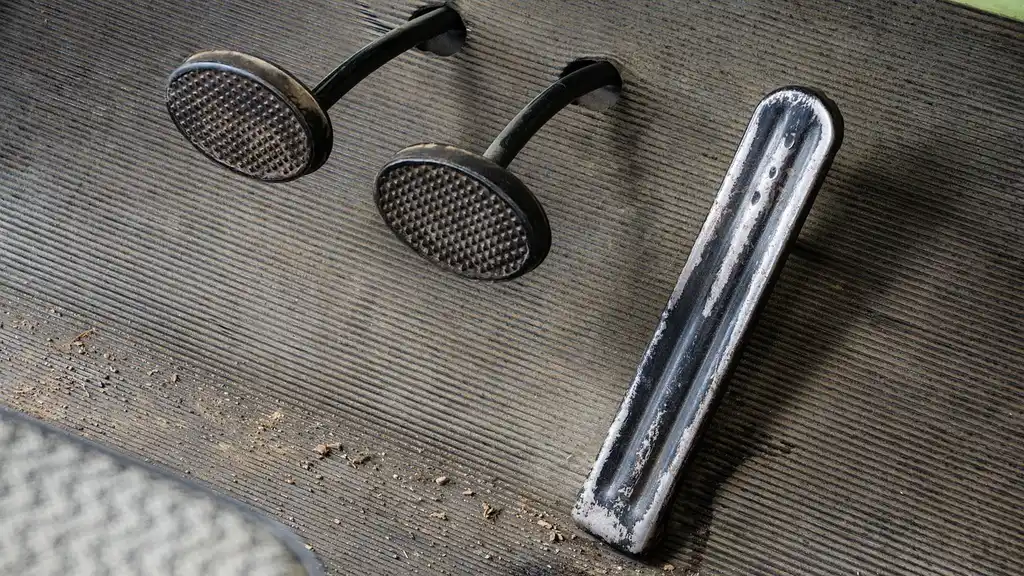
Why Is My Clutch Pedal Stuck to the Floor?
A clutch pedal stuck to the floor usually means low hydraulic pressure from a master or slave cylinder issue, or a mechanical bind in the pedal box or release system; start with fluid level and visible leaks, then separate hydraulic loss from pedal or fork faults. Ignore it and you can lose all clutch disengagement, strand the car, or force damage by trying to shift. This guide gives a fast no-leak decision tree to isolate the fault and decide what to inspect next.
What a stuck clutch pedal means
The key split is simple: does the pedal stay down, sink while you hold pressure, or come back only partway? A pedal that drops and stays there usually points to hydraulic loss or a hard mechanical bind. A pedal that feels normal at first, then slowly sinks, points more toward internal seal bypass or air in the line.
When pumping the pedal changes the feel, that matters. If a few quick pumps bring back temporary travel, the system often still has fluid, but pressure is escaping past a seal or air pocket. If pumping does nothing and the pedal still hangs low, look harder at pedal-side binding, a failed return spring, or a release-side fault that is mechanically holding the pedal down.
Stuck down versus sinking while held
A pedal that is stuck down right after you press it often indicates a release problem, a broken return spring, or a master cylinder that is not building pressure at all. A pedal that sinks while it is held is often more typical of internal bypass in the master cylinder or slave cylinder. Both can happen with no external drip.
Say your pedal goes halfway down, pauses, then slowly eases to the floor while you keep your foot on it. That pattern is different from a pedal that falls to the carpet and stays there. The first pattern fits hydraulic pressure loss. The second pattern pushes you to inspect binding at the pedal pivot, the clutch fork, or the slave travel.
When pumping changes the diagnosis
Temporary recovery after pumping usually means the hydraulic circuit can still move fluid, but not hold pressure consistently. That is a strong clue for internal seal bypass, air in the line, or a partial restriction that lets the pedal come back only after repeated strokes. If pumping briefly restores release, do not jump straight to the pedal itself.
How the symptom points to hydraulics or binding
No-leak cases matter. A clutch system can fail with dry floors and dry bellhousing because the master cylinder seal leaks internally, the slave cylinder bypasses internally, or the pedal mechanism binds before the hydraulics can do their job. That is why a no-leak decision path is essential before buying parts.
Clutch pedal diagnostic matrix
This table separates the common patterns that get lumped together. Use the symptom pattern first, then match the likely cause to the quickest check.
| Symptom | Likely cause | Quick test | Next action |
|---|---|---|---|
| Pedal sinks slowly while held, then may pump up briefly | Master cylinder internal seal bypass or air in line | Pump the pedal about 3 to 5 times; watch for temporary firmness | Check reservoir, inspect firewall area, then bleed if no leak is found |
| Pedal drops to the floor with little resistance and no external drip | Master cylinder bypass or internal slave bypass | Hold steady pressure; note whether it never builds pressure | Inspect master and slave separately; do not assume air alone |
| Pedal will not return fully, or returns only after lifting by hand | Pedal pivot, return spring, or pedal-box binding | Disconnect nothing; move pedal by hand with engine off | Inspect pivot bushings, bracket corrosion, and spring attachment |
| Pedal feels normal until a shift, then stays down | Slave cylinder travel loss, clutch fork bind, or CSC fault | Inspect slave operation and fork movement at the bellhousing or slave pushrod area | Inspect slave operation and fork movement; suspect CSC if internal |
| Pedal sticks only after heat soak | Seal expansion, internal bypass, or binding at pivot/bush | Compare cold and hot pedal feel after a short drive | Check fluid, pivot points, and hydraulic seals |
| Pedal sticks but fluid level is stable and no leak is visible | No-leak master bypass, no-leak slave bypass, or mechanical binding | Look for pumping recovery and inspect pedal movement first | Separate hydraulic loss from mechanical drag before bleeding parts away |
Is the hydraulic system the problem?
If the reservoir is low, the system has already told you something. Low fluid in a clutch hydraulic reservoir often means a leak somewhere, even if you do not see it right away. Many vehicles use brake-fluid-type DOT 3 or DOT 4 fluid in the clutch circuit, but the manufacturer specification should be matched rather than guessed.
Check the reservoir and fluid level
Start with fluid level and visible leaks at the reservoir. Some vehicles share a reservoir with the brake system; others have a dedicated clutch reservoir. A low level can explain a sinking pedal, but it does not prove the fault is at the slave cylinder. Top-up is only a diagnostic step if you are using the correct fluid and you are also hunting the leak source.
Cloudy, dark, or contaminated fluid matters too. Brake-fluid-type clutch systems use seals that can be damaged by the wrong fluid or by neglected fluid that has absorbed moisture. That contamination can worsen seal wear and shorten the life of the master cylinder, slave cylinder, or CSC.
Look for leaks at the firewall and under the car
Look for leaks at the firewall and under the car. The firewall and pedal bracket area are common master cylinder inspection points. Look for wetness, peeling paint, or a damp pushrod area where the master passes through the firewall. A pedal may change feel before a drip becomes obvious, especially if the master seal is leaking into the cabin side or behind the pedal bracket.
Then inspect under the car and around the transmission bellhousing. External slave cylinder leaks may leave dampness on the slave body, the bellhousing, or nearby lines. If the fluid path disappears into the transmission housing, a concentric slave cylinder becomes much more likely.
Identify master cylinder bypass versus air in the line
Air in the hydraulic line usually gives a spongy pedal, inconsistent engagement, or a pedal that improves after bleeding. Internal master cylinder bypass is different: the pedal may sink even with no visible leak because fluid slips past damaged internal seals instead of building pressure. Both can coexist, so bleeding alone is not proof of repair.
Suppose the reservoir stays full, the floor under the car is dry, and the pedal still sinks during steady pressure. That no-leak pattern points harder at internal bypass than at an external loss of fluid. In that case, the master cylinder is a prime suspect, with the slave or CSC next in line.
Could the slave cylinder or CSC be failing?
The slave cylinder pushes the release mechanism, so failure often shows up as weak or missing release travel. An external leak can drain pressure and keep the pedal down. An internal bypass can do the same without a wet driveway. If the car uses a concentric slave cylinder, the failure is often hidden inside the bellhousing.
External slave cylinder leaks and loss of travel
External slave problems are the easiest to confirm. Wetness on the slave body, wet lines, or fluid on the transmission case usually means the slave is leaking. That loss of fluid reduces travel, and the pedal may not return correctly because the system cannot restore pressure after each press.
Internal bypass with no obvious drip
A slave cylinder can fail internally and still look dry from the outside. In that case, the pedal may go soft, sink, or refuse to hold pressure even though the reservoir level barely changes at first. If bleeding helps only briefly, the slave can still be bypassing under load.
Why CSC faults often require transmission removal
A concentric slave cylinder is commonly located inside the bellhousing on many modern manual transmissions. If it leaks, the fluid may collect inside the housing rather than dripping outside in a way you can easily see. Access often requires transmission removal, so it is worth checking for CSC clues before replacing external parts blindly.
One clue is fluid from the bellhousing drain area or around the lower inspection opening. Another is a pedal that acts like a slave failure with no external leak and no pedal-box issue. That combination should move the CSC higher on the list.
Could the pedal itself be binding?
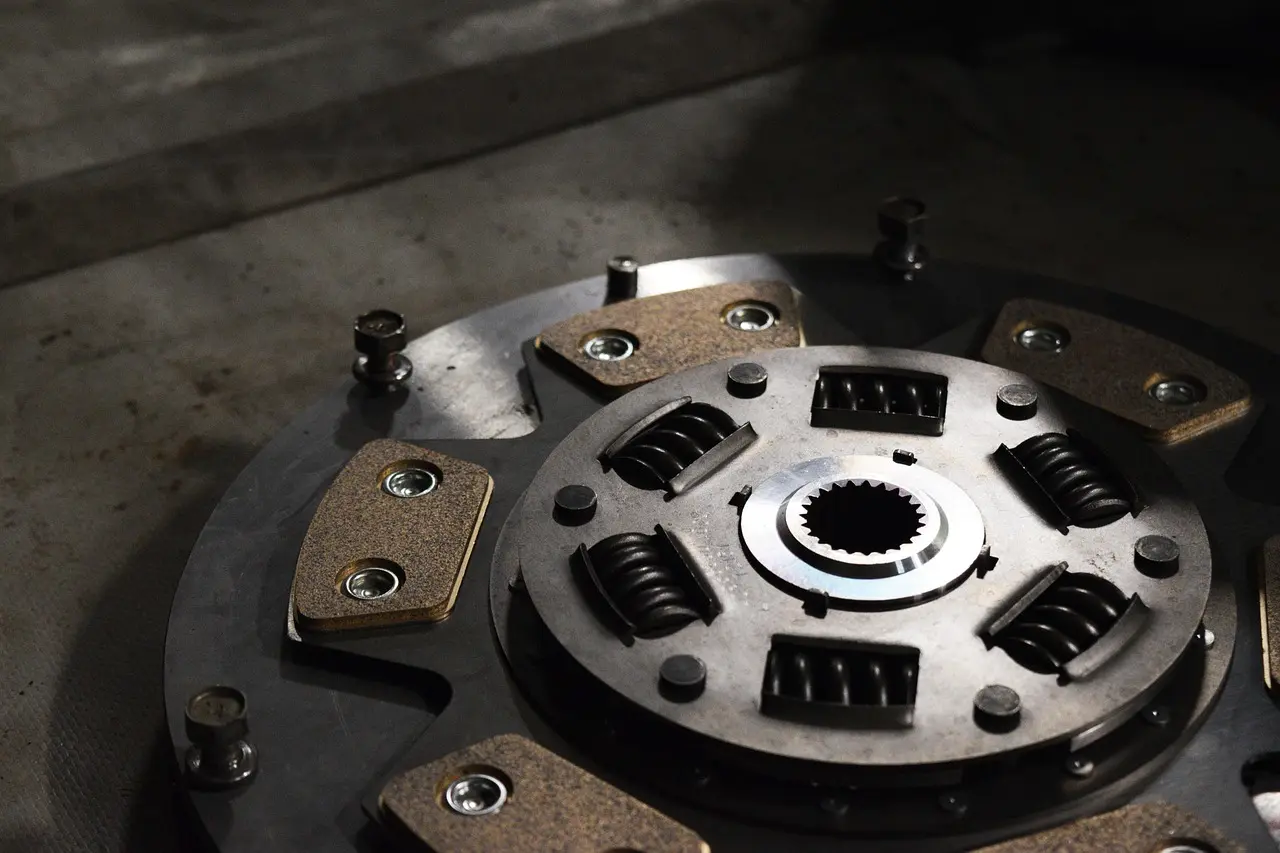
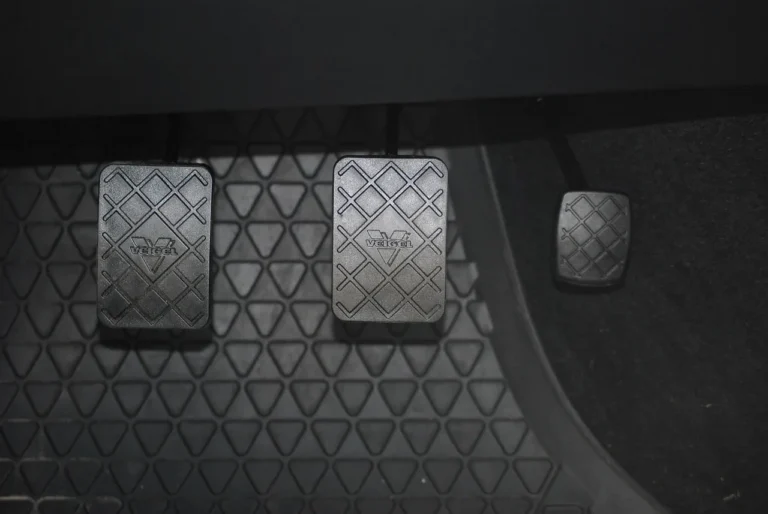
Not every floor-sticking pedal is hydraulic. If the pedal will not return smoothly by hand, inspect the return spring, pivot, bushings, and bracket before condemning the master cylinder. A mechanical bind can mimic a dead hydraulic circuit because the pedal cannot reset properly after it is pressed.
Return spring problems
The clutch pedal return spring helps bring the pedal back up after you release it. If the spring is broken, disconnected, or weak, the pedal may stay low even though hydraulic pressure is still present. Check that the spring is seated correctly and not rubbing on the pedal arm or bracket.
Pedal pivot and bush wear
Wear or corrosion at the pedal pivot can make the pedal hang, creak, or move unevenly. That sort of binding often feels worse after moisture, cold weather, or long storage. Move the pedal by hand with the engine off; a rough spot at the top of travel points more toward the pivot than the hydraulics.
Pedal box or bracket corrosion
Rust, bent metal, or cracked mounting points in the pedal box can change pedal geometry enough to trap the pedal low. Inspect the bracket around the firewall and the pedal support structure for corrosion, looseness, or contact marks. A pedal that visibly rubs the side of the opening is not a hydraulic symptom.
Clutch fork and release-side movement issues
On cable or hydraulic setups with a visible clutch fork, the fork can bind, crack, or lose proper movement. That matters because the pedal may come to the floor while the release side stays loaded. If the fork does not move smoothly, the problem may be on the release side, not in the pedal or master cylinder.
How do you bleed the clutch correctly?
Bleeding is usually the right next step only after checking for leaks, reservoir level, and obvious pedal or fork binding. Air in the hydraulic system can cause a spongy or sinking pedal, but bleeding will not fix a master cylinder that bypasses internally or a slave that leaks under load.
When bleeding is the right next step
Use a bleed procedure when the pedal is soft, the reservoir was low, a component was just replaced, or you suspect air entered during service. Follow the correct sequence for the vehicle because some systems need a specific order, and some CSC-equipped cars require a particular bleed method to purge trapped air.
Why air causes a soft or sinking pedal
Air compresses far more than brake fluid, so pedal travel can disappear into bubble compression instead of moving the slave cylinder. That produces a long, soft, or inconsistent pedal. If the pedal temporarily improves after pumping but then gets worse again, trapped air remains a reasonable suspect.
Correct sequence and fluid specification
Use the fluid type the manufacturer specifies, commonly DOT 3 or DOT 4, and keep the reservoir from running dry during the procedure. Bleed from the correct screw or bleeder point, and follow the service order for the system you are working on. Wrong fluid or a rushed bleed can damage seals or leave air behind.
- Check and correct the fluid level first.
- Inspect the firewall, pedal area, slave body, and bellhousing for wetness.
- Confirm the pedal and return spring move freely by hand.
- Bleed the system only after those checks if the pedal still feels soft.
- Recheck pedal hold pressure and clutch release after bleeding.
What does pumping the pedal tell you?
Pumping is one of the fastest clues in the diagnosis. If pumping gives temporary recovery, the system can sometimes move fluid, which points to air, seal bypass, or a weak hydraulic component rather than a hard mechanical jam. If pumping changes nothing, the pedal is more likely binding or the release side is stuck.
Temporary recovery after pumping
When a few pumps restore pedal height for a short time, that suggests the circuit can build pressure briefly. A master cylinder with worn seals often behaves this way. A slave cylinder or CSC can also leak internally and hold just enough pressure to feel normal for a moment before the pedal sinks again.
No-leak cases that still fail hydraulically
No visible leak does not rule out hydraulic failure. Internal bypass in the master cylinder is one of the most common no-leak patterns, especially when the pedal sinks while held and the firewall area stays dry. A CSC can fail the same way and hide the problem inside the bellhousing.
When to suspect the master or slave cylinder
If the pedal pumps up, the reservoir stays full, and the pedal box moves freely, the master cylinder is high on the list. If the pedal feels weak at the end of travel or the release motion at the transmission is poor, the slave cylinder or CSC moves higher. The best choice depends on where pressure is being lost, not on the pedal alone.
How do you fix a clutch pedal that sticks to the floor?
Fix the fault you have confirmed, not the part that is easiest to reach. Start with fluid level and leak checks, then separate hydraulic loss from pedal binding, then inspect the release side. Replace or repair the master cylinder, slave cylinder, CSC, spring, pivot, or linkage only after the symptom pattern points there.
For a pedal that sticks with no leaks, the common path is master cylinder bypass, CSC failure, or pedal-box binding. For a pedal that returns slowly or unevenly, the pedal pivot, return spring, or clutch fork can be the real problem. That order keeps you from replacing parts twice.
Frequently asked questions
Why is my clutch pedal stuck to the floor?
This usually means the hydraulic system is losing pressure, the pedal is binding, or the release side is not returning properly. Check the reservoir, then look for wetness at the firewall, under the car, and around the bellhousing. If the pedal pumps up briefly, that points more toward hydraulic bypass or air than a hard mechanical jam.
Why is my clutch pedal stuck to the floor no leaks?
A no-leak pedal that stays down often points to internal master cylinder bypass, internal slave bypass, or a concentric slave cylinder problem hidden inside the transmission housing. Mechanical binding at the pedal pivot or return spring can also mimic a hydraulic fault. Dry floors do not rule out a failed hydraulic component.
Why does my clutch pedal get stuck when I press down on it?
If the pedal hangs while you press it, the problem may be a binding pedal pivot, a weak or broken return spring, or a release-side component that is not moving freely. If it sinks while held, the hydraulic side is more likely. The exact feel during the press is the clue.
How do you fix a clutch pedal that sticks to the floor: first confirm whether the problem?
First confirm whether the problem is hydraulic or mechanical. Check fluid level and leak points, test pedal movement by hand, and note whether pumping changes the feel. Then bleed the system only if air is likely and the hardware is not binding. Replace the confirmed failed part, not the whole system at once.
What does it mean when your clutch pedal goes to the floor?
It means the clutch system is not holding or transmitting pedal force the way it should. That can come from low fluid, air in the line, master cylinder bypass, slave cylinder failure, CSC leakage, or a pedal-side bind. The symptom is serious because clutch disengagement can disappear without warning.
Why is my clutch pedal sticking to the floor ford focus?
On a Ford Focus, the same basic checks still apply: reservoir level, firewall area, pedal return spring, and slave or CSC clues. Many Focus manuals use a hydraulic clutch system, so a dry floor does not clear the master or CSC. Use the pedal feel and leak pattern to separate the fault before replacing parts.