Transmission Rebuild Cost: Average Price and Key Factors
Transmission rebuild cost often lands around $1,800 to $4,500, and quotes can rise past $5,000 on complex units or when hard parts are damaged. A vague quote can hide extra labor, parts, or fluid charges. This guide breaks down quote line items, price drivers, and fair-vs-high pricing.
Transmission rebuild cost basics
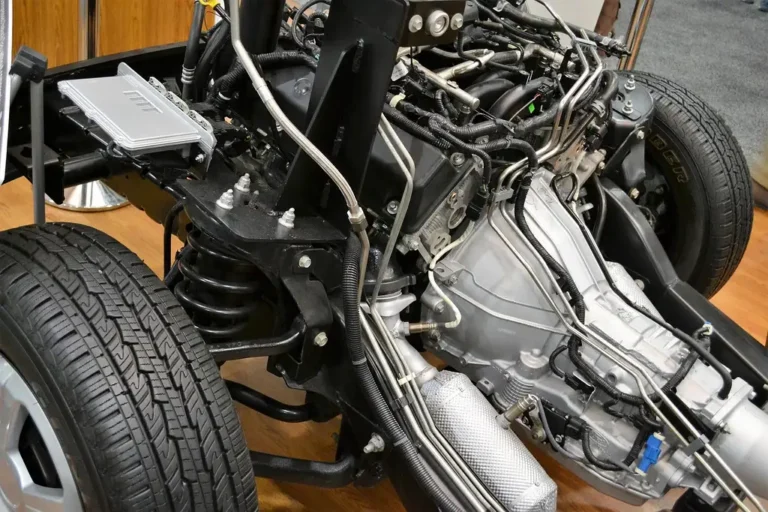
A rebuild is a partial teardown and restore, not a simple fluid change. The shop removes the transmission, opens it, cleans it, inspects wear surfaces, replaces worn soft parts, and reassembles the unit with new seals, gaskets, clutches, bands, steels, and any failed hard parts.
Some parts are often reused if they pass inspection. The case, shafts, planetary gear sets, and valve body may stay in place if they are not scored, cracked, warped, or out of spec. If the unit has severe heat damage, metal debris, or a failed pump, the quote can move from a rebuild toward replacement.
The price comes from labor time, parts, machine work, fluid, diagnostics, and any programming or adaptation work after installation. That is why two quotes for the same symptom can differ by a wide margin when one shop has found deeper damage and the other has not.
What a rebuild usually includes
A proper rebuild usually starts with a road test, scan, and inspection before any price is fixed. That step helps identify whether the problem is limited to wear items or whether the transmission has internal damage that changes the plan.
Inside the unit, the shop commonly replaces friction parts, seals, gaskets, filters, and worn bushings. Depending on the failure, it may also need a torque converter, valve body work, solenoids, a pump, or hard-part replacement. The final bill rises quickly when the shop finds metal contamination or heat damage.
What is usually replaced versus reused?
Soft parts are the most common replacement items. That group includes seals, gaskets, O-rings, clutches, bands, steels, filters, and any damaged friction material. Hard parts are reused only when they measure within spec and show no sign of heat or scoring.
Reused parts are not a bargain if they are marginal. A shop that leaves worn hard parts in place without stating why should be asked for the measurement sheet or inspection notes. That is one of the fastest ways to spot a thin quote.
How much does a rebuild cost?
The lower end often reflects a simpler automatic or manual unit with limited damage, while the upper end is common when the transmission needs more than friction parts and seals.
Make, model, year, and transmission type can move the quote a lot. A domestic truck, a Honda or Toyota application, a European luxury vehicle, and a high-performance vehicle do not land in the same pricing band because their parts access, calibration work, and component costs are different.
Why quotes vary so much
Two quotes can differ because one shop is quoting a partial rebuild and the other is quoting a full overhaul with a torque converter, valve body work, and hard-part replacement. Another difference is labor rate. A dealership usually charges more than an independent shop, and that gap alone can be large.
Estimate transparency matters more than a single headline price. A proper quote should spell out labor hours, parts, fluid type and quantity, diagnostics, programming, warranty coverage, and exclusions. A vague quote that says only “rebuild transmission” leaves room for add-ons.
When a quote is unusually low or high
An unusually low quote can mean the shop has not inspected the unit, has excluded the converter, has not included programming, or plans to reuse parts that should be replaced. That can make the first invoice look better and the final bill much worse.
An unusually high quote can still be fair if the unit is a CVT, dual-clutch, or European application with expensive parts and labor. The key is whether the estimate explains the work and ties the price to specific findings.
Why does it cost so much to rebuild a transmission?
Transmission rebuild cost is high because the work is labor-heavy and parts-heavy at the same time. The transmission has to come out of the vehicle, be torn down, cleaned, measured, and rebuilt with precision. If the unit has heat damage, the shop may also need extra flushing, more product, and more time.
Diagnostics matter too. A scan, road test, and inspection can reveal problems that are invisible at first glance, such as worn clutches, failed solenoids, converter debris, or damage in the valve body. That is why a “cheap” quote often grows after teardown.
Labor hours and shop rate
Labor is usually the biggest part of the rebuild bill. Removal, teardown, cleaning, measurement, assembly, installation, and road testing all take time. Labor hours can rise further if the vehicle packaging makes access difficult or if the transmission must be removed from a tight engine bay.
Shop rate also matters. Independent shops often price below dealerships because their overhead is lower, but the better comparison is not just labor rate. It is whether the quote is complete and whether the shop states what is included and excluded.
Parts, hard parts, and machine work
Soft parts are expected. Hard-part replacement is what often pushes the bill higher. When a pump, drum, gear set, case component, or valve body is damaged, the rebuild stops being a routine refresh and becomes a more expensive repair.
Machine work can add cost when components need cleaning, resurfacing, or measurement-based correction. If the shop finds debris in the pan or signs of burned friction material, the job usually needs more cleanup time and more consumables.
Fluid condition and extra cleaning
Burned or contaminated fluid is not a side note. It can mean extra flush time, additional fluid, and more labor to clean the cooler lines, pan, and related passages. Dark fluid with a burnt smell often points to overheating or clutch wear, which can mean deeper internal damage.
A quote that ignores fluid condition is incomplete. The same transmission can cost more once the shop discovers contamination during the inspection or drain process.
Programming and adaptation work
Some transmissions need software updates, relearn procedures, or adaptation resets after installation. That is especially common on newer automatics, dual-clutch units, and some CVTs. If a quote omits that step, ask whether it is included or billed separately.
Programming is not a luxury line item. On the right vehicle, it is part of the repair. Leaving it out can create driveability problems later.
Transmission rebuild quote checklist
A fair quote should state exactly what work is included before you approve the job. Use the checklist below to compare estimates line by line and to spot missing items before the shop starts the rebuild.
| Line item | What the quote should state | Red flags |
|---|---|---|
| Labor hours | Removal, teardown, rebuild, installation, and test-drive time listed clearly | Only a lump-sum “labor” line with no detail |
| Diagnostics fee | Scan, road test, and inspection charge, plus whether it can be applied toward repair | No diagnostics step before pricing; fee not credited if you proceed |
| Valve body or solenoid work | Whether the valve body is cleaned, tested, repaired, or replaced, and which solenoids are included | “Valve body service” with no parts listed |
| Torque converter status | Cleaned, reused, rebuilt, or replaced, with the reason stated | No converter mention at all |
| Seals and gaskets | Full set of soft parts, including seals, gaskets, O-rings, and filters | Only a partial seal kit listed |
| Clutches, bands, and steels | Which friction parts are replaced and whether steels are resurfaced or replaced | Friction parts omitted from the quote |
| Hard-part replacement | Any pump, drum, gear, case, or shaft parts that are not reusable | “If needed” with no price cap |
| Fluid type and quantity | Exact fluid spec and how much fluid is included | No fluid spec, or generic “shop fluid” wording |
| Programming or adaptation | Relearn, adaptation, or software work, if the vehicle needs it | No mention of calibration on a vehicle that requires it |
| Warranty length | Months and miles, plus what failures are covered | Warranty described only as “limited” |
| Exclusions | Anything not covered, including cooler replacement, mounts, axles, or outside damage | No exclusions listed |
How to read the checklist
Ask for the quote in writing and compare it against the table above. If a shop will not itemize labor, parts, fluid, and warranty terms, the estimate is too thin to trust. The best quotes make it easy to see what is included and what is extra.
Suppose a quote lists rebuild labor and seals, but not the converter, fluid spec, or programming. That estimate is incomplete. A better version names each of those items and says whether diagnostics will be credited if you approve the repair.
How transmission type changes pricing
Transmission type changes both labor and parts cost. Automatic, manual, CVT, and dual-clutch units do not use the same internal parts or the same rebuild process. The fluid requirement also differs, and CVT and dual-clutch transmissions often require premium synthetic fluid and more labor.
Automatic rebuilds
Automatic transmissions are common and often easier to compare across shops, but they still vary by design. A conventional automatic may be less expensive than a CVT or dual-clutch unit, yet a torque converter, valve body, or electronic control issue can still push the price higher.
A standard automatic transmission fluid service is priced at $150–$350 at the shop, which is far below rebuild pricing. Do not mix the two when comparing quotes.
Manual rebuilds
Manual units often have fewer hydraulic parts, but the job can still require clutch-related work, synchronizers, bearings, and machining. Labor may be lower than on a more complex automatic, but a neglected manual with damaged gear teeth or synchros can still become expensive.
CVT rebuilds
CVTs are usually more expensive to rebuild than many conventional automatics because they require specialized parts, tighter calibration control, and premium synthetic fluid. If the belt, chain, pulleys, or control hardware are damaged, the quote can move quickly.
CVT work also tends to be more sensitive to fluid condition. Burned or contaminated fluid can trigger deeper inspection and more cleanup.
Dual-clutch rebuilds
Dual-clutch transmissions often need specialized procedures, more calibration work, and more exact fluid service. They can also have clutch and mechatronic-related failures that raise the bill beyond a basic mechanical rebuild.
Because the unit is more complex, quote clarity matters even more. If the estimate does not identify clutch packs, adaptation, or control-unit work, ask for a rewritten version.
Why vehicle make changes the quote
Vehicle make changes the quote because parts supply, packaging, and software needs are different from one brand to another. Domestic trucks, Honda and Toyota applications, European luxury vehicles, and high-performance vehicles often land in different price bands for the same reason: the repair path is not the same.
Domestic trucks
High-mileage domestic trucks often see heavy use, towing, and heat. That means worn clutches, converter wear, and cooler-related contamination are common cost drivers. Accessibility may be better than on some compact cars, but damage from load and heat can still raise the rebuild total.
Honda and Toyota applications
Many Honda and Toyota units are known for specific rebuild paths, fluid specs, and calibration needs. Some are straightforward; others are sensitive to fluid choice and solenoid or valve-body wear. A good quote should name the fluid spec and any electronic work needed after installation.
European luxury vehicles
European luxury vehicles often bring higher labor rates, more programming, and more expensive components. Transmission removal may take longer, and software-related steps can add time. Parts supply can also push the estimate upward.
High-performance vehicles
High-performance vehicles may require stronger internal parts, upgraded torque converters, or special calibration. More power means more stress, and that stress often shows up in the quote. If the unit has been modified, the estimate should say whether stock parts are adequate or not.
How much does an automatic transmission rebuild cost?
An automatic transmission rebuild often falls in the lower to middle part of the overall rebuild range, but the final number depends on the design, the vehicle, and what the inspection finds. A conventional automatic with limited internal damage can be less expensive than a CVT or dual-clutch unit, while a damaged converter or valve body pushes the total upward.
Automatic quotes should still itemize labor, soft parts, hard parts, fluid, diagnostics, and any programming. A simple-sounding automatic job can become expensive fast if the fluid is burned or the pan shows metal debris.
How much does a Ford F-150 transmission rebuild cost?
A Ford F-150 transmission rebuild can fall anywhere within the broad rebuild range, with the exact total shaped by engine choice, model year, towing history, and transmission version. A truck used for towing or stop-and-go work often needs more cleanup and more internal parts than a lightly used one.
On a truck like this, ask whether the quote includes the torque converter, cooler inspection, fluid type, and any calibration after installation. Those are common places where the first quote looks lower than the final invoice.
Should you rebuild or replace?
Rebuilding makes sense when the case and major hard parts are still usable, the vehicle has enough remaining value to justify the repair, and the failure is limited to wear items or moderate internal damage. Replacement makes more sense when the damage is widespread, the case is damaged, or the cost of parts and labor nears the value of the vehicle.
The decision should be based on failure severity, vehicle value, and parts availability. A full replacement can be the better call when the transmission is badly contaminated, when several hard parts are broken, or when the quote for a rebuild is already near the cost of a better unit.
When rebuilding makes sense
Rebuild if the vehicle is otherwise worth keeping, the transmission core is repairable, and the quote shows a clear parts list rather than a vague blanket price. Rebuilding can also make sense when the failure is caught before widespread heat damage spreads through the unit.
When replacement is the better call
Replacement is often cleaner when the transmission has heavy metal contamination, a cracked case, or repeated failures that suggest deeper damage. It can also be a better financial choice if the quote approaches the vehicle’s market value and the warranty on a replacement unit is stronger.
How vehicle value affects the decision
A higher repair bill makes less sense on a lower-value vehicle. If a full rebuild or replacement pushes well into the upper end of the range and the car or truck has limited remaining value, the smarter move may be to compare replacement pricing, not just rebuild pricing.
Picture a 12-year-old truck with a slipping automatic and burned fluid. If the inspection finds converter debris and a damaged valve body, the shop may move from a partial rebuild to a full overhaul or replacement. That shift is normal when the internal damage is not isolated.
What symptoms mean a transmission rebuild may be needed?
Common warning signs include slipping, delayed engagement, harsh shifting, a burning smell, and warning lights. Those symptoms do not prove a rebuild is needed, but they are strong reasons for a road test, scan, and inspection before the problem becomes more expensive.
Fluid condition matters here too. Burned or contaminated fluid can point to overheating or internal wear, and both can raise rebuild cost if the shop finds more damage during diagnosis.
Common warning signs
- Slipping between gears or engine flare
- Delayed engagement when shifting into drive or reverse
- Harsh or delayed shifting
- Burning smell from the fluid
- Warning lights or transmission fault codes
Can transmission maintenance reduce rebuild cost?
Yes. Regular service can help prevent expensive failures by keeping fluid clean and keeping heat under control. The guide advises service every 30,000–40,000 miles for severe service use, which is especially relevant for heat, towing, and stop-and-go driving. Manufacturer intervals can range from as little as 30,000 to more than 100,000 miles.
That is not a promise against failure. It is a way to reduce the odds of worn clutches, fluid breakdown, and contamination that can push a repair from maintenance into a rebuild.
How service timing affects cost
Heat is hard on transmission fluid. In severe-service conditions, fluid breaks down faster, and the shop may find burned fluid sooner if service is skipped. A 2- to 3-year cadence can make sense for many drivers, especially when mileage is low but the vehicle sees frequent heat cycles.
Nationally, a transmission fluid change is listed at $80–$250, while a transmission fluid flush is listed at $125–$400. Those numbers are small compared with a rebuild. Even the Phoenix service range of $150 to $350 is much lower than a rebuild quote.
What service can and cannot prevent
Service can lower the risk of heat-related wear, but it cannot undo a damaged pump, broken gear set, or failed converter. If the unit already slips, bangs, or sets codes, service alone is unlikely to fix it. That is why inspection comes before major repair decisions.
- Check for symptoms such as slipping, delayed engagement, harsh shifting, or a burning smell.
- Ask for a scan, road test, and inspection before any rebuild quote is accepted.
- Compare labor hours, parts, fluid, diagnostics, programming, warranty, and exclusions line by line.
- Ask whether the converter, valve body, and hard parts are included or priced separately.
- Compare the rebuild quote against replacement pricing and the vehicle’s remaining value.
Frequently asked questions
How much should a transmission rebuild cost?
The best comparison is not just price. It is whether the quote lists labor, parts, fluid, diagnostics, warranty, and exclusions clearly.
What affects transmission rebuild cost the most?
Labor hours, hard-part damage, transmission type, and fluid condition usually move the price most. CVT and dual-clutch units often need premium synthetic fluid and more labor. Vehicle make also matters, since domestic trucks, Honda and Toyota applications, European luxury vehicles, and high-performance vehicles do not cost the same to service.
Is a rebuild cheaper than a replacement transmission?
Often, yes, but not always. A rebuild can be cheaper when the case and major components are usable and the failure is limited. Replacement can be the better call when damage is severe, the quote is already close to the vehicle’s value, or the transmission has widespread contamination.