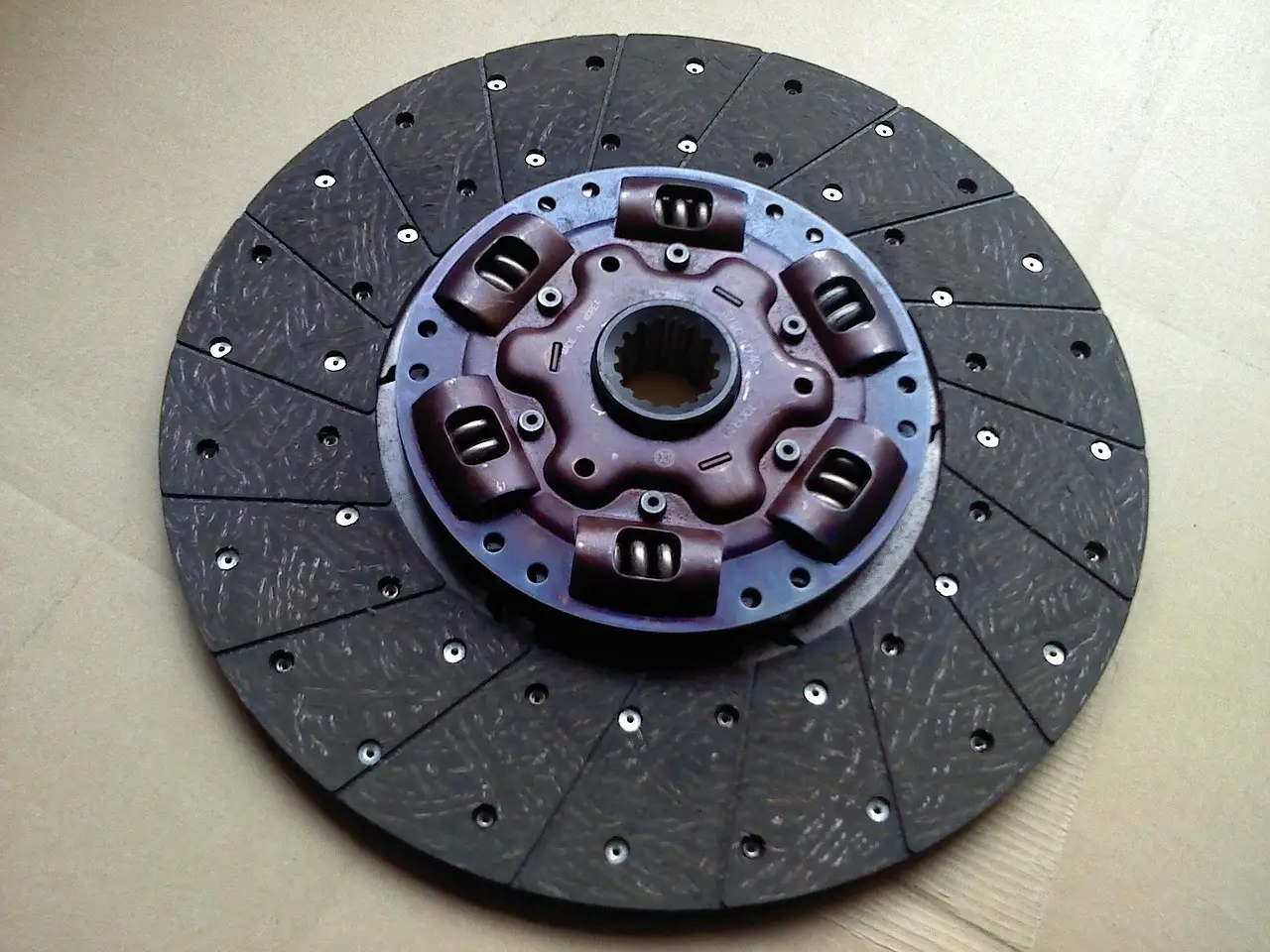
Why Is My Clutch Pedal Not Returning Fully?
A clutch pedal that won’t return fully usually points to a binding pedal pivot, weak return spring, hydraulic fault, or frayed cable; if it springs back only with help, inspect the pedal path, hydraulic circuit, and cable before replacing parts. Ignoring it can leave you stuck out of gear, overheat the clutch, or strand the vehicle. This guide separates pedal-mechanism, hydraulic, and cable faults by symptom pattern, then lists the checks that confirm each one.
What the symptom means
Partial return is not the same as a hard pedal or a full no-release failure. A pedal that stops short of the top tells you the return path is losing travel somewhere, and that loss can happen in the pedal assembly, the hydraulic circuit, the cable, or the release hardware.
Start by separating two questions: does the pedal move freely when you lift it by hand, and does it return fully when the engine is off? Those two answers point in different directions. A top stop that feels blocked often suggests pedal-path interference or pivot binding, while a pedal that comes back better with the engine off can point toward release-system load.
Hydraulic systems use a master and slave cylinder. A bad clutch master cylinder or clutch slave cylinder can cause a stiff pedal and incomplete return. Non-hydraulic systems rely on a cable, and a worn clutch cable can change pedal movement and effort. Mechanical linkages add more wear points, including rods, arms, a cross shaft, and the pivot ball.
Clutch pedal troubleshooting matrix
Use the symptom pattern first. It cuts down guesswork and stops you from replacing a master cylinder when the pedal arm is snagging a floor mat.
| Symptom pattern | Likely fault path | First 3 checks |
|---|---|---|
| Returns slowly | Pedal pivot drag, hydraulic restriction, weak return spring, frayed cable | 1) Check for debris or a mat under the pedal. 2) Lift the pedal by hand and feel for rough travel. 3) Compare return with engine off and running. |
| Returns only after toe lift | Partial seal bypass, cable friction, linkage lost motion, pedal adjustment out of spec | 1) Check free play and top-stop position. 2) Inspect cable routing or hydraulic hose routing. 3) Watch the pedal arm, fork, or slave rod for delayed movement. |
| Returns fully when engine off | Release system load, cross shaft wear, pressure plate drag, hydraulic load under operating conditions | 1) Test with engine off and running. 2) Observe whether shifting worsens with the engine running. 3) Inspect release hardware for binding or abnormal resistance. |
| Returns sometimes when hot/cold | Heat-sensitive seal bypass, hose restriction, cable drag, pivot wear that changes with expansion | 1) Note whether the fault appears hot, cold, or both. 2) Recheck hose routing and pedal pivot movement. 3) Inspect for fluid contamination, fraying, or dry joints. |
Is the pedal path blocked?
Yes, and this is the first check. A blocked pedal can absolutely stop full return. Debris under the pedals, a floor mat edge, a loose trim panel, or a bent pedal stop can limit travel before any hydraulic or cable fault does.
Floor mat and debris check
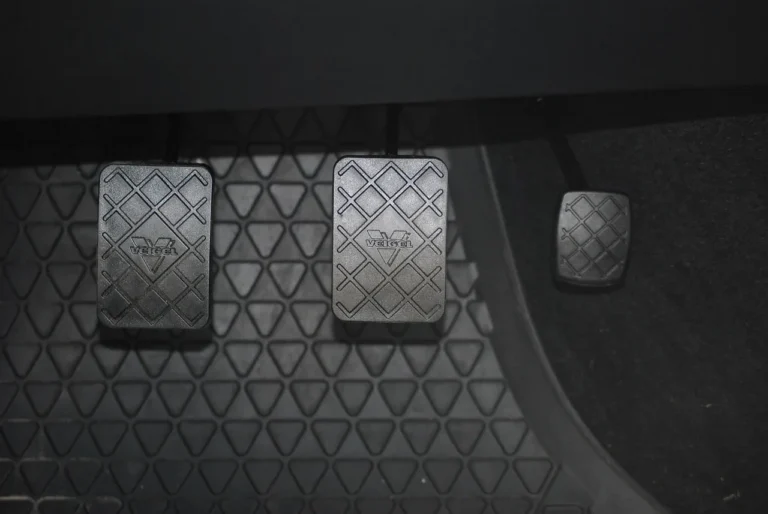
Look for coins, bottle caps, packaging, and carpet bunching under the clutch pedal. Debris under the pedals can interfere with clutch-pedal movement. If the pedal comes back normally after you clear the area, the fault was mechanical obstruction, not a failed clutch component.
Pedal arm and trim interference
Check whether the pedal arm is rubbing on lower dash trim, an aftermarket alarm bracket, or a loose kick panel. A common first-timer mistake is assuming the pedal must be “hydraulic” because it feels blocked, when the arm is actually catching on interior parts.
Simple under-dash clearance check
With the engine off, press and release the pedal while watching its path from the side if possible. If the pedal returns fully when the floor area is clear but stops short with a mat installed, the fix is simple. If it still stops short, move on to system type.
- Remove loose items from the driver footwell.
- Check the floor mat edge for interference.
- Press the pedal slowly and watch for rubbing, snagging, or a hard stop.
- Lift the pedal by hand to see whether it has the missing travel.
Does your clutch system use a cable or hydraulics?
That question changes the diagnostic path. Hydraulic systems return through fluid pressure, using a master cylinder, a slave cylinder, and a flexible hose. Cable systems depend on cable condition, routing, and adjustment. Mechanical linkage systems add rods, arms, a cross shaft, and a pivot ball.
Hydraulic return path
In a hydraulic clutch, the clutch master cylinder sends pressure through the hydraulic hose to the clutch slave cylinder, which extends a rod to push the fork or lever. A blocked hose, air in the system, a seal problem, or a failing cylinder can leave the pedal short of full return.
Cable return path
On non-hydraulic systems, the clutch cable must move freely and return without heavy friction. A worn clutch cable can stretch, fray, or drag in its sheath. That can increase effort, change pedal movement, and keep the pedal from coming all the way back.
Mechanical linkage return path
Some trucks and older cars use clutch linkage with rods and arms to multiply force from the pedal. Wear in those parts can create lost motion. The cross shaft is located inside the transmission, transfers pedal pressure to the clutch release bearing, and a bad cross shaft can make it harder to push the clutch pedal.
Hydraulic faults that stop full return
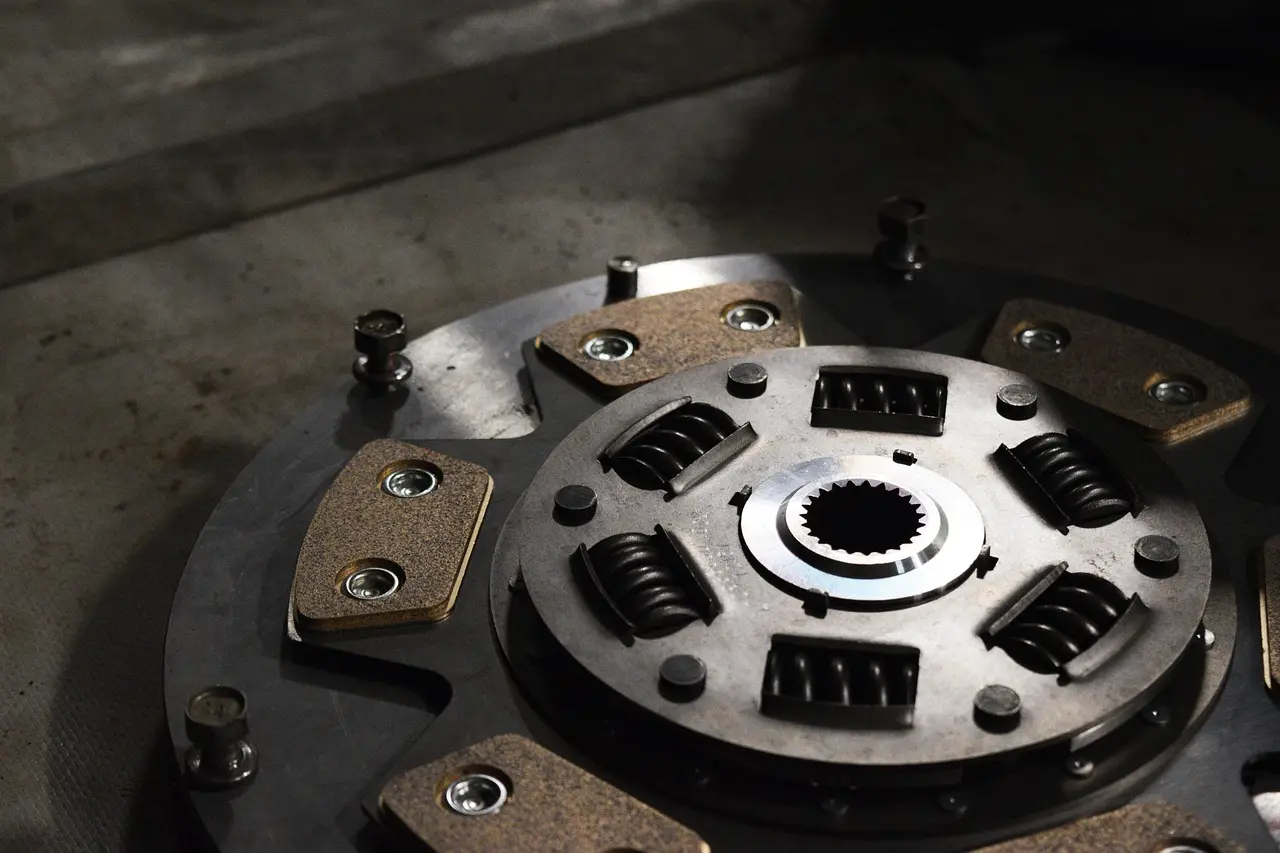
Hydraulic return problems often show up as a pedal that feels different every time you press it. A stiff clutch pedal can come from a bad master or slave clutch cylinder in hydraulic systems. That includes incomplete return, slow return, or a pedal that comes back better after a pause.
Clutch master cylinder problems
The clutch master cylinder can fail internally and affect pedal feel and return. Internal seal bypass may let pressure leak past the piston instead of resetting cleanly. That can produce a pedal that returns partway, then hesitates, then comes back the rest of the way after a second lift.
Clutch slave cylinder issues
The clutch slave cylinder works with the master cylinder and extends a rod to push the fork or lever. If the slave hangs up, leaks, or sticks, shifting trouble can appear before the pedal issue becomes obvious. A delayed slave can keep the release system loaded against the pedal.
Hydraulic hose restriction or collapse
The clutch hose is a flexible component in hydraulic systems. It can be pinched by other components, and a blocked hose can change pedal feel. A hose that opens and closes with pedal movement can create intermittent return problems, especially when engine heat softens nearby parts.
Air, fluid contamination, or seal bypass
Air in the circuit usually makes the pedal feel spongy, but it can also leave the pedal short of the top because pressure is not resetting cleanly. Dirty fluid and internal seal wear can cause inconsistent return. If the symptom changes after a bleed, the hydraulic circuit deserves priority.
Say your clutch pedal returns normally before startup but stops about 15 mm short of the top after a short drive. That pattern points more toward a heat-sensitive hose, seal, or release load than a blocked pedal, because the fault appears after the system warms up.
Cable and linkage faults to inspect
When the clutch is not hydraulic, focus on friction, routing, and lost motion. Cable systems can bind in the sheath, stretch over time, or route too tightly around heat and brackets. Linkage systems can develop slop at joints while still looking intact from above.
Clutch cable wear or stretch
Can a worn clutch cable keep the pedal from returning fully? Yes. A stretched or worn cable can hold extra tension, especially if the inner wire is frayed or the outer sheath is damaged. If the return feels better when you lift the pedal by hand, cable drag is high on the list.
Clutch linkage wear and lost motion
The clutch linkage contains rods and arms, and it multiplies force from the pedal. Wear at bushings, clevis pins, or joints can make the pedal travel uneven. Lost motion may feel like the pedal stops short even though the release arm is still moving slowly at the other end.
Cross shaft and pivot ball wear
The cross shaft can affect clutch operation if it wears or binds inside the transmission. The pivot ball creates smooth clutch-pedal operation, and a damaged pivot ball can increase the force needed on the pedal. Both faults can change return height and pedal feel without a clean external leak.
Pedal pivot binding or weak return spring
A worn pedal pivot can make the pedal feel gritty, heavy, or lazy on the way back up. If the pivot is dry or ovaled, the pedal may hang partway down. A weak return spring may let the pedal rise only to a mid-point unless you help it with your toe.
Suppose the pedal comes back only when you hook it with your toe, but the engine-off shift lever still moves normally. That points away from a major release failure and toward friction in the pedal pivot, cable, or linkage path.
When adjustment is the problem
Some clutch systems can get out of spec and feel stiffer than normal. Pedal adjustment matters most on systems with a serviceable cable or mechanical linkage, but the adjustment should still be checked before deeper disassembly on any design that provides it.
Pedal adjustment checks
Start with free play and pedal stop position. If adjustment is too tight, the release system may stay preloaded and the pedal may not rise fully. If it is too loose, the pedal may travel oddly and shift quality may suffer.
Free play and engagement point changes
A pedal that grabs near the floor after an adjustment change can point to a worn part rather than a simple setting error. If a small adjustment temporarily restores full return, the root cause may be stretch, wear, or a part that is moving past its normal range.
When adjustment points to a worn part
If the adjustment keeps drifting out of spec, something is moving that should not move. That can be a cable sheath, a master cylinder pushrod setup, a pedal pivot, or linkage wear. Repeated readjustment without a lasting fix is a sign to inspect the system more closely.
When a pressure plate or release part is involved
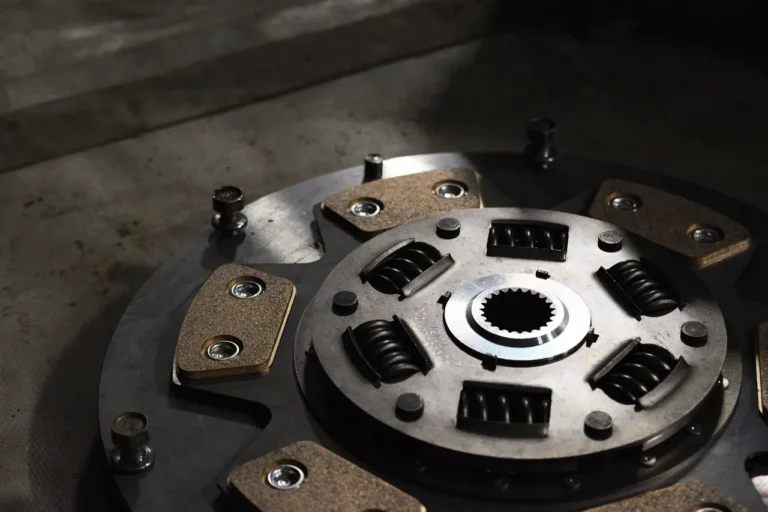
Release hardware faults can change pedal return or make the pedal seem wrong even when the pedal itself is fine. The clutch pressure plate endures a lot of friction and pressure, so wear or damage there can create shifting trouble and odd pedal behavior. That is especially true when the symptom appears with poor disengagement.
Clutch pressure plate wear or damage
If the pressure plate is warped, weakened, or worn, the release load may not move evenly. That can affect how the pedal comes back and how the car shifts into gear. A worn pressure plate usually creates more than one symptom, so look for return issues plus engagement problems.
Release bearing or fork issues
A dragging release bearing or bent fork can keep load on the pedal path. The result may be a return that stops short, then completes after a second lift. If the pedal feel changes with engine speed or clutch noise appears, inspect the release side carefully.
How shifting trouble fits the diagnosis
Difficulty selecting reverse or first gear often supports a release problem more than a pure pedal problem. If the pedal returns poorly and shifting becomes worse at the same time, the fault may be in the hydraulic circuit, the cable, or the release hardware rather than only the pedal pivot.
Frequently asked questions
Why is my clutch pedal not returning fully?
The usual causes are a blocked pedal path, pedal pivot binding, weak return spring, hydraulic restriction, cable drag, or linkage wear. A common way to narrow it down is to compare engine-off and engine-running behavior, then separate hydraulic, cable, and pedal-mechanism faults by symptom pattern.
What should I check first if the clutch pedal does not come back up?
Check the footwell first. Look for a floor mat, debris, or trim that blocks the pedal. Then press and release the pedal with the engine off to feel for rough travel. If the path is clear and the pedal still stops short, move to system type and return behavior.
Can a blocked pedal cause the clutch pedal to not return?
Yes. Debris under the pedals can interfere with clutch-pedal movement, and a mat edge can stop travel before the pedal reaches its top stop. This is the simplest fault to rule out, and it should be checked before hydraulic bleeding, cable replacement, or transmission-side repairs.
Is a bad clutch master cylinder a cause of weak pedal return?
Yes. A bad clutch master cylinder can affect pedal feel and return in a hydraulic system. Internal seal bypass or a weak reset can leave the pedal short of full travel, especially if the symptom changes with temperature or appears along with shifting trouble.
Can a worn clutch cable keep the pedal from returning fully?
Yes. A worn clutch cable can stretch, fray, or drag in its sheath, and that can keep the pedal from returning fully. Cable faults are common on non-hydraulic systems, and they often show up as changing effort, delayed return, or a pedal that comes back better when lifted by hand.
Why does my clutch pedal not return fully when hot or cold?
Temperature-dependent return problems often point to a hose restriction, seal bypass, cable drag, or a part that binds as it expands or contracts. A fault that appears only hot is often different from one that appears only cold, so note the condition carefully before choosing parts.