Why Is My Clutch Pedal Spongy?
A spongy clutch pedal usually means hydraulic pressure is leaking away, air is trapped in the hydraulic circuit, or the release mechanism is binding. If the pedal slowly sinks under steady pressure, suspect an internal master or slave cylinder leak first. Ignore it and you can end up with hard shifts, gear grind, or a car that will not disengage the clutch. This guide shows how each symptom points to the likely fault, from fluid loss to worn pedal hardware.
Air pockets and fluid condition cause spongy pedal feel
Modern manual vehicles use a closed hydraulic fluid system rather than a steel cable, so the pedal should feel firm after the first bit of free play. Liquid cannot be compressed, but air can, which is why air pockets create a mushy pedal feel.
Do not confuse clutch pedal free play with a hydraulic problem. Free play is the small slack before resistance begins. A spongy feel is a soft, compressible stroke after resistance should already be there.
Why the pedal feel changes before shifting fails
Hydraulic faults often start as a change in pedal travel, then move to a higher engagement point, then to difficult shifting. That sequence matters. A pedal that feels normal at first but sinks farther than usual, or one that changes between cold starts and a hot drive, points to a fault that changes with pressure, heat, or seal condition.
Clutch hydraulic fluid must stay full enough to keep air out and must match manufacturer specification. Old or degraded fluid can change pedal feel, and contamination can point to failing internal rubber parts. Murky or black fluid in the reservoir suggests internal rubber lines are disintegrating and contaminating the system.
Why is my clutch pedal spongy?
If the pedal feels soft, the most likely causes are air in the hydraulic circuit, low or contaminated fluid, or internal bypass in the master cylinder. A spongy pedal does not automatically mean the same fault as a brake pedal, even though the symptom can look similar at the driver’s foot.
Air in the hydraulic circuit
Air in clutch hydraulic lines is a common cause, especially after repair work or low fluid. Because gas compresses and fluid does not, the pedal can feel mushy before the clutch begins to move the release system. Bleeding usually helps, but only if you follow the correct bleed order and seal the system afterward.
Low fluid or contamination
Low fluid lets air enter the system, which softens the pedal and can keep the clutch from disengaging cleanly. Dark, oily wetness near the pedal linkage can indicate the master cylinder is leaking into the cabin. Fluid that looks dirty or black deserves attention, because contamination often points to component wear inside the hydraulic circuit.
Internal bypass in the master cylinder
The clutch master cylinder is mounted on the driver’s side firewall and bolted to the pedal linkage. If an internal seal fails, fluid can bypass internally instead of building pressure. That can make the pedal feel soft even when the reservoir looks full, and it often shows up as a pedal that sinks slowly under steady pressure.
Why is my clutch pedal soft and won’t engage?
When a soft pedal also fails to disengage the clutch, the fault is often downstream of the reservoir. A slave cylinder leak, a hose that expands or admits air, or a release mechanism fault can all reduce hydraulic force enough that the clutch stays partly engaged and the transmission refuses to shift cleanly.
Slave cylinder leak or failure
The slave cylinder receives pressurized fluid and is mounted on or inside the transmission casing. It may leak externally or fail internally. If fluid is missing and the transmission area is damp, a slave problem rises on the list. An internal failure can act like a weak master cylinder because pressure never reaches the release point.
Hydraulic line or hose seepage
A hydraulic clutch line or hose can seep, crack, or admit air, especially under heat or age. Some vehicles use rubber sections, others use metal sections with fittings, and both can fail. A small seep may not leave a large puddle, yet it can still lower pressure enough to create a soft pedal and inconsistent engagement.
Release system faults that feel hydraulic
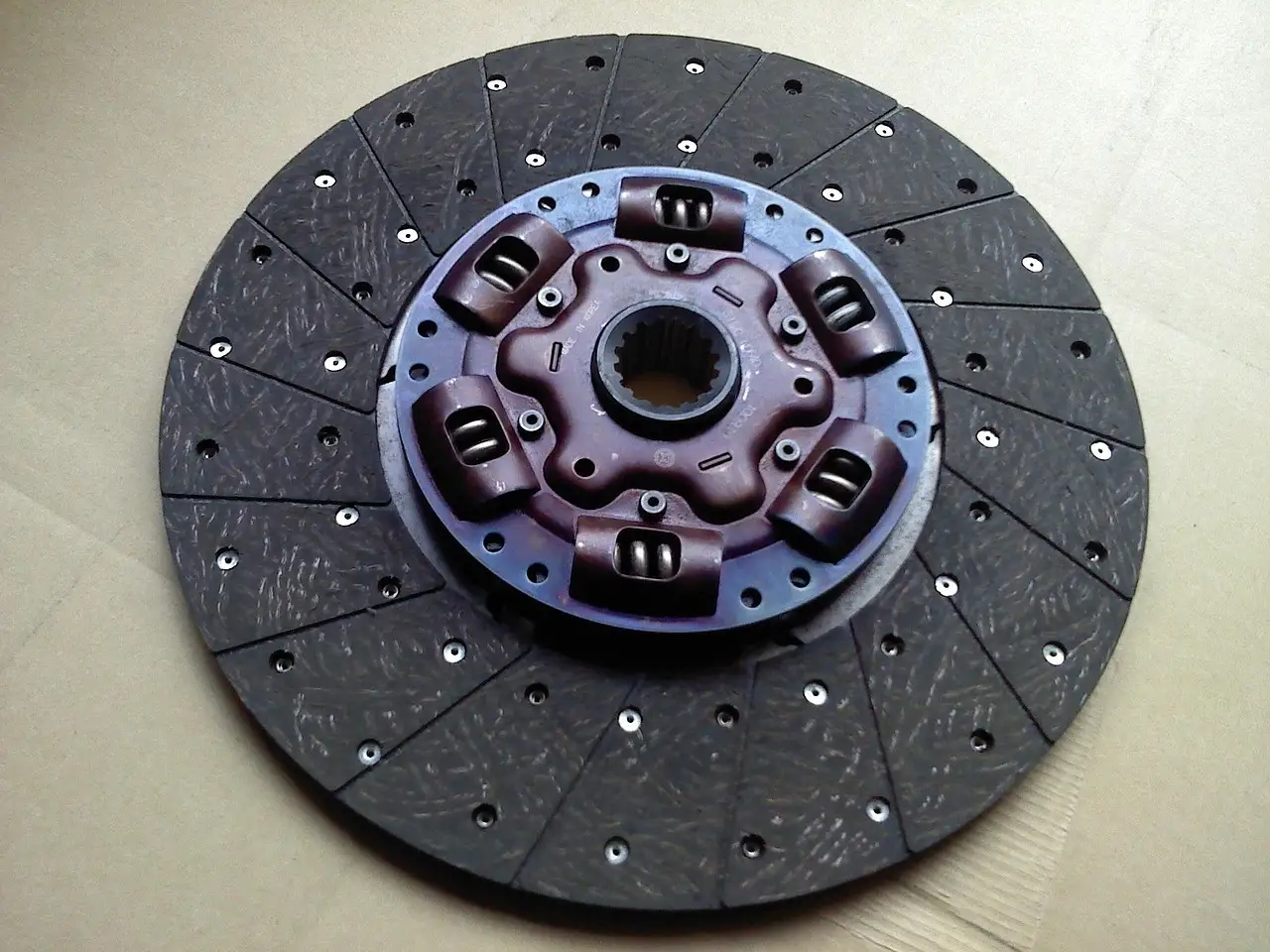
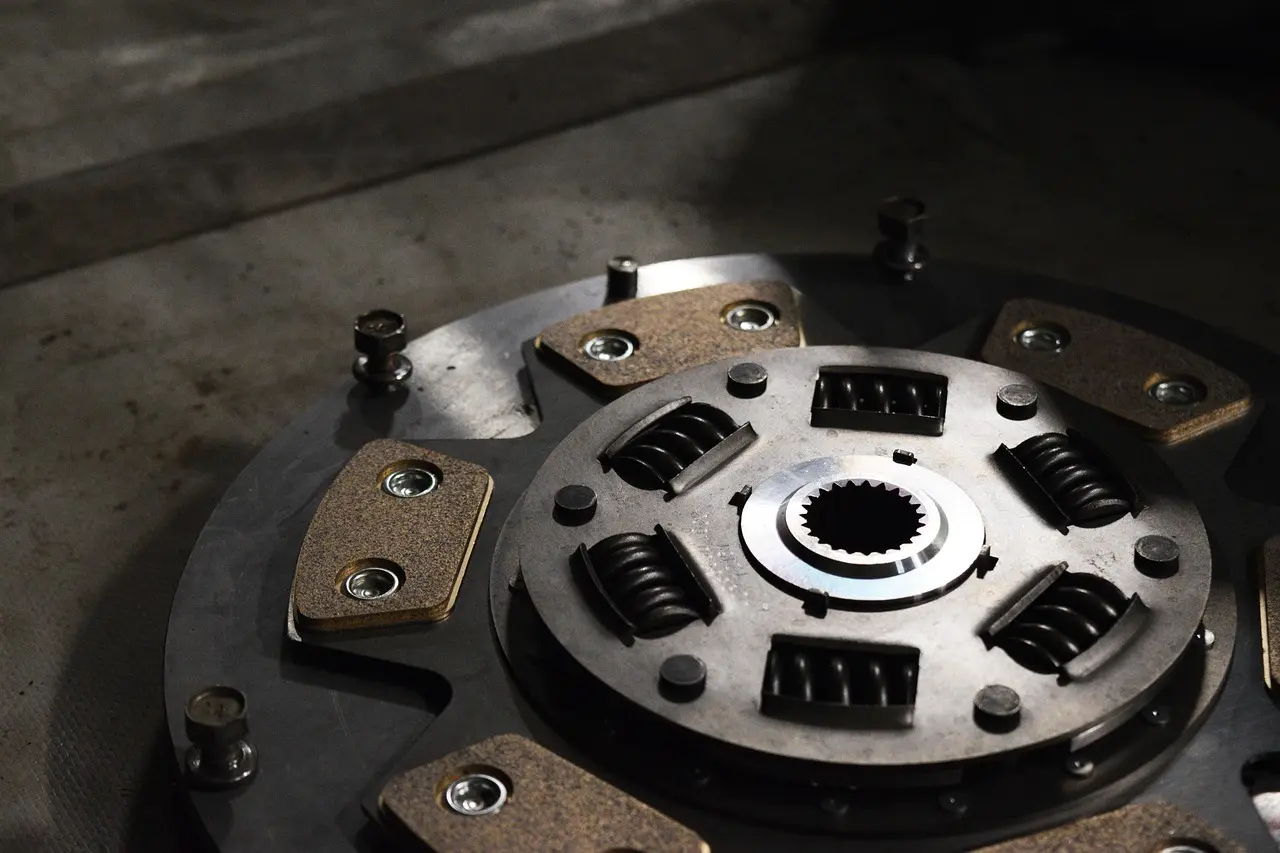
The clutch release system, including a release fork or concentric slave cylinder on some vehicles, transfers pedal motion to clutch disengagement. A worn fork, damaged pivot, or failing concentric slave can mimic hydraulic softness. Packaging matters here, because access can be labor-intensive and some modern vehicles require loosening engine mounts and lowering the front suspension subframe for access.
Say your pedal feels normal for the first inch, then goes soft and the car grinds into reverse at a stoplight. That pattern fits lost hydraulic force or a release system that is not moving the clutch far enough, not a simple free-play adjustment.
Why is my clutch pedal soft after bleeding?
A pedal that is still soft after bleeding usually means the air was not fully removed, the bleeder setup is leaking, or the system has an internal bypass that bleeding cannot fix. If the pedal improves briefly and then softens again, do not assume the bleed failed only because of trapped air.
Bleeder screw problems
The bleeder screw, or bleeder valve, needs to be opened and closed correctly during bleeding. If it is loose, air can sneak back in, and if the tool or hose setup is poor, the system may never purge fully. A false bleed result is common when the bleeder path admits air at the threads or around a poor seal.
Incorrect bleed order or incomplete air removal
Some systems need a specific bleed order, and some are sensitive to how quickly the pedal is cycled. If the reservoir level drops during the process, air can re-enter the circuit. A soft pedal after bleeding can also mean the system was never fully purged, especially after a line, slave, or master replacement.
Residual internal bypass after a bleed
If the pedal still sinks under steady pressure after a careful bleed, the master cylinder may be bypassing internally or the slave cylinder may not hold pressure. Bleeding removes air. It does not repair a seal that is leaking internally.
Clutch sponginess diagnostic matrix
| Symptom pattern | Likely cause | Quick check | Next action |
|---|---|---|---|
| Soft after bleeding | Incomplete air removal or bleeder screw issue | Check reservoir level, bleeder tightness, and whether pedal firmness improves only briefly | Re-bleed with the correct procedure; inspect for air re-entry |
| Soft only when hot | Heat-related hose expansion or seal failure that opens with temperature | Compare pedal feel cold and after a warm drive | Inspect hose, fittings, master, and slave for heat-sensitive leaks |
| Soft with fluid loss | External leak at master, slave, line, or fitting | Check reservoir level and look for wetness under the dash and near the transmission | Repair the leak before bleeding again |
| Soft but no visible leak | Internal bypass in master or slave cylinder | Hold steady pressure on the pedal and see whether it sinks slowly | Replace the failing hydraulic cylinder |
| Soft with gear-grinding | Clutch not fully disengaging from low hydraulic force or release-system fault | Try reverse and first gear at idle with the engine running | Stop driving if shifts grind; inspect master, slave, and release system |
| Soft after clutch replacement | Air left in the system, incorrect installation, or disturbed slave/release parts | Verify the fluid level and check whether the pedal changed immediately after service | Recheck bleed procedure and installation details |
| Soft only after a long drive | Heat expansion in a weak hose, seal, or concentric slave | Note whether the pedal firms up again after cooldown | Inspect heat-stressed components and fittings |
| Soft with a wet pedal area | Master cylinder leak into the cabin | Look for a dark, oily wet spot near the pedal linkage | Replace the master cylinder and flush contaminated fluid |
| Tow vs drive | Safe to drive only if shifts remain clean and the pedal still disengages the clutch consistently | If the pedal sinks, gears grind, or reverse will not engage cleanly, treat it as a failure | Arrange a tow rather than forcing shifts |
What to check first under the hood and inside the cabin
Start with the reservoir, then inspect the cabin side of the master cylinder, then move to the transmission side. That order narrows the fault quickly and keeps you from blaming air when the real issue is a leak or internal bypass.
- Check fluid level and color in the clutch reservoir.
- Look for dark, oily wetness near the pedal linkage and carpet.
- Inspect the firewall area around the master cylinder for seepage.
- Check line fittings, hose sections, and hard lines for wetness or cracks.
- Inspect the slave cylinder area on or near the transmission casing.
- Watch for a sinking pedal under steady foot pressure.
- Note whether the clutch feels different hot versus cold.
If the reservoir is full, the carpet is dry, and the pedal still sinks after about 20 seconds of steady pressure, an internal bypass may still be present. That points away from a simple level problem and toward internal bypass in the master or slave cylinder.
Why a soft pedal can be worse when hot
Heat can change how a weak hydraulic part behaves. A hose may expand more when warm, a seal may leak only after the system thins with temperature, and a marginal concentric slave may lose holding force once the transmission area heats up. That is why a pedal can feel acceptable cold and soft after a traffic-heavy drive.
Temperature can also change engagement point. A clutch that starts to engage higher on the pedal after warmup often points to pressure loss, not pedal adjustment. If the issue appears only hot, pay close attention to hoses, fittings, and the slave cylinder near the transmission.
Can I drive if my clutch pedal feels spongy?
You can sometimes drive a short distance if the clutch still disengages cleanly, the pedal returns normally, and shifts are smooth. If the pedal sinks, the clutch drags, or gear engagement needs force, stop driving and arrange a tow. A soft pedal can turn into a no-disengagement problem with little warning.
Shifting difficulty is the warning sign that matters most. If reverse grinds, first gear is hard to engage, or the pedal no longer feels consistent at the top of the stroke, continued driving may damage the gearbox or leave the car stuck in gear.
A common first-timer mistake is trying to “pump” the pedal through a failing seal. That may briefly build pressure, but it does not fix the leak path and can hide the real failure until the clutch will not release at all.
Frequently asked questions
Why is my clutch pedal soft?
A soft clutch pedal points to reduced hydraulic force or a release mechanism that is not moving fully. Check fluid level first, then inspect for wetness at the firewall, line fittings, and transmission area. If the pedal sinks slowly under pressure, suspect internal cylinder bypass.
Why is my clutch pedal suddenly soft?
A sudden change often points to a new leak, a hose rupture, a loose fitting, or a rapid loss of fluid. If the change happened right after service, suspect trapped air, an open bleeder screw, or an assembly issue. A sudden soft pedal deserves prompt inspection.