Why Is My Transmission Making Noise in 2nd Gear?
If the noise shows up only in 2nd gear, look for a load-sensitive fault in the transmission, shift linkage, CV joints, or differential, not the engine. Left alone, a small bearing, fluid, or gear issue can turn into costly internal damage. This guide helps you sort the noise by load, shift timing, fluid condition, and non-transmission parts.
Why 2nd gear noise happens
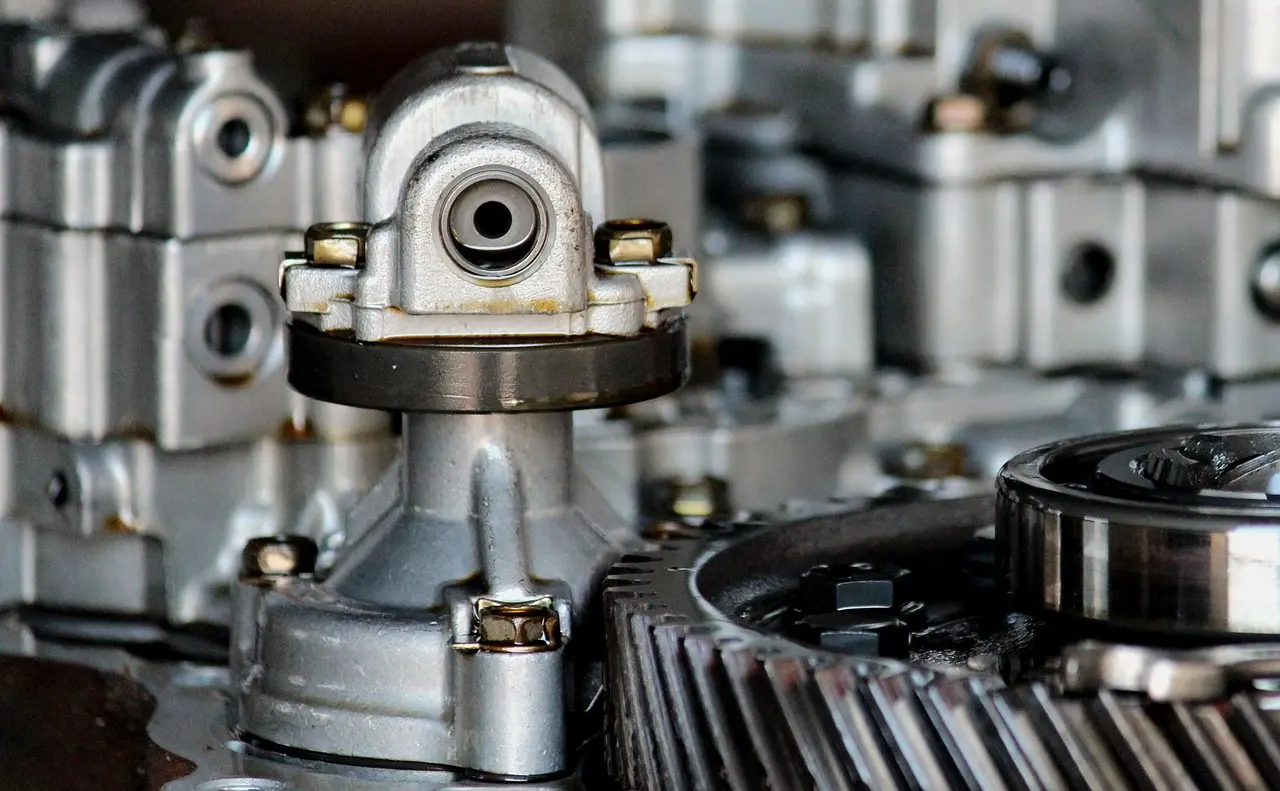
Noise that appears only in 2nd gear usually follows a narrow operating window. The fault may show up at one load, one shaft speed, or one shift event instead of across the whole drive range.
Load versus road speed
2nd gear often puts a different load on gears, shafts, and bearings than 1st, 3rd, or 4th. In a manual transmission, 2nd gear can load the input, counter, and output shafts in a way that makes worn bearings or gear teeth whine under throttle. In an automatic, 2nd gear may route torque through a different planetary gearset path, so a defect can stay quiet in other gears.
That is why the first question is not “what gear is noisy?” but “what changed when the noise started?” If the noise follows engine load in 2nd gear, look for an internal transmission or driveline load problem. If it follows vehicle speed no matter the gear, look at a wheel bearing, tire, or differential instead.
Shift timing and ratio changes
Some noises appear only during the 1-2 shift, then stop once 2nd gear is fully engaged. That points to shift timing, hydraulic control, clutch apply quality, or mount movement more than a steady gear whine.
Automatic transmissions can make a brief clunk, flare, or rattle if a solenoid, valve body passage, or worn clutch pack changes apply pressure too slowly or too abruptly. Manuals can make a brief grind or buzz if the synchronizer is worn or the clutch is not releasing fully.
Why it may appear only in one gear
A single gear can be the first place a weak part shows itself. One ratio may place the heaviest load on a bearing, a worn synchronizer, a chipped gear tooth, or a stretched mount. If 1st and 3rd are quiet but 2nd is loud, that pattern matters.
Noise in one gear does not automatically mean the whole transmission is failing. It does mean the fault is more likely to be mechanical, hydraulic, or mount-related than an engine problem.
Automatic transmission 2nd gear noise
In an automatic, 2nd-gear noise can come from the planetary gearset, hydraulic control, or the shift from one gear state to another. A noise that appears only in 2nd under acceleration often points to load path changes, apply pressure issues, or torque-converter behavior during the shift.
Planetary gearset load paths
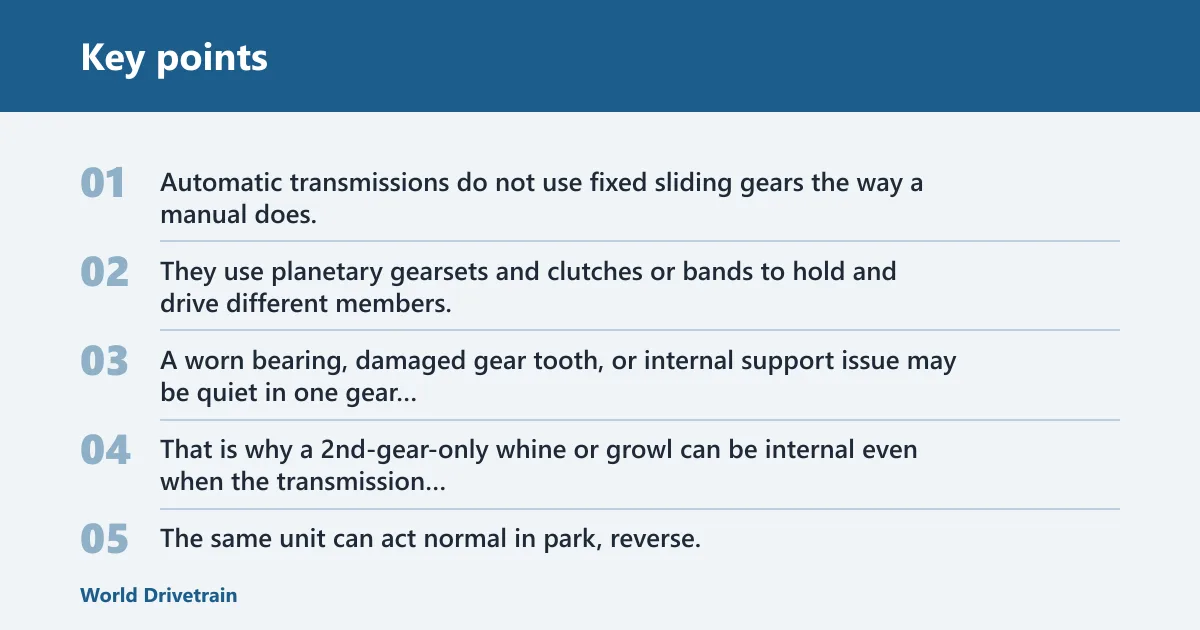
Automatic transmissions do not use fixed sliding gears the way a manual does. They use planetary gearsets and clutches or bands to hold and drive different members. A worn bearing, damaged gear tooth, or internal support issue may be quiet in one gear and noisy in another because the load path changes with each ratio.
That is why a 2nd-gear-only whine or growl can be internal even when the transmission seems fine in other gears. The same unit can act normal in park, reverse, and higher gears while making noise only in one forward ratio.
Valve body and solenoid effects
Hydraulic control faults can create noise that feels mechanical. A sticking valve, weak solenoid, or worn separator plate can alter clutch apply timing in 2nd gear, which may cause a flare, bang, buzz, or repeated shift hunting.
Noise during the shift is more likely to involve control pressure, while noise after the shift is more likely to involve a rotating part. An OBD-II scan can help here by showing transmission codes and live shift data, but many noise complaints set no code at all.
Torque-converter and shift-transition noise
Some automatic noise in 2nd gear comes from the transition into lockup strategy, not from the gearset itself. A torque-converter clutch that applies or releases at the wrong time can add shudder, groan, or chatter that sounds like transmission failure.
If the noise changes exactly as the transmission shifts into 2nd, pay attention to shift feel, flare, and RPM change. If the noise stays with road speed after the shift is complete, look harder at bearings, axles, or differential parts.
Manual transmission 2nd gear noise
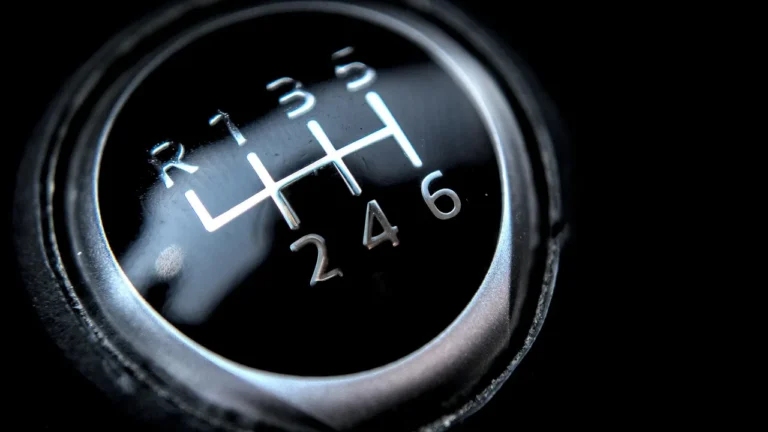
In a manual transmission, 2nd-gear noise often points to gear whine, synchronizer wear, or shaft bearing wear. The clutch can also mask or reveal the sound, which is why the same fault may seem louder during acceleration than during coast.
Gear whine under load
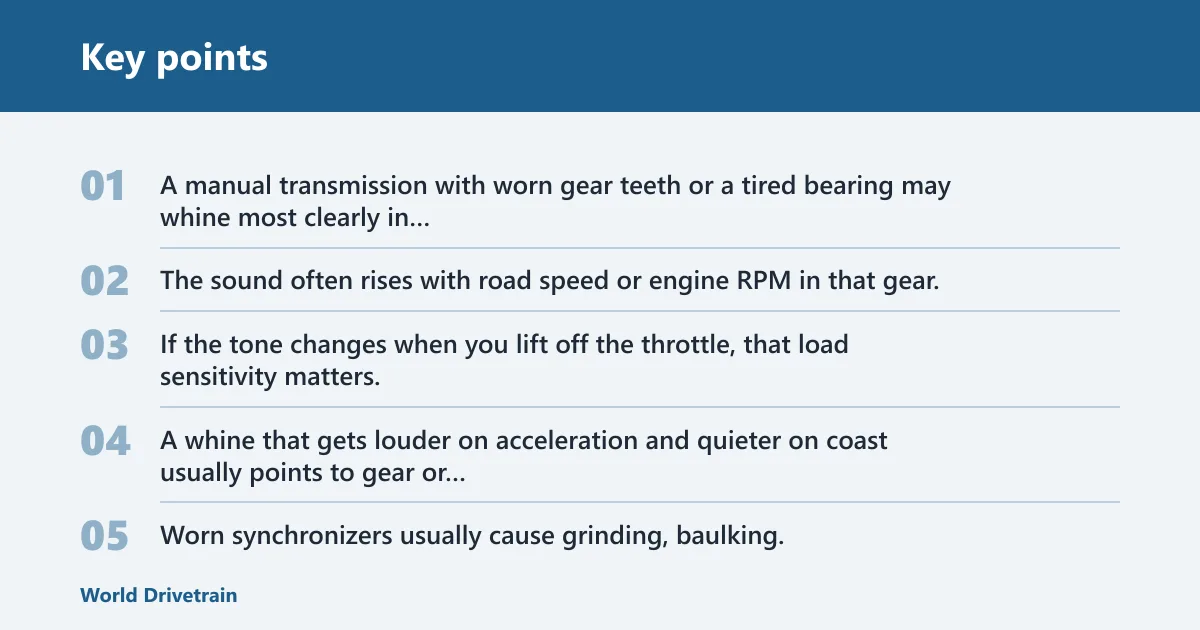
A manual transmission with worn gear teeth or a tired bearing may whine most clearly in 2nd because that ratio places a strong load on a narrow part of the geartrain. The sound often rises with road speed or engine RPM in that gear.
If the tone changes when you lift off the throttle, that load sensitivity matters. A whine that gets louder on acceleration and quieter on coast usually points to gear or bearing load, not tire noise.
Synchronizer wear
Worn synchronizers usually cause grinding, baulking, or a crunchy shift into 2nd rather than a steady whine while driving. The noise may be most obvious during the shift itself, especially if the gear resists engagement or the lever feels notchy.
If the sound only happens as the shifter moves into 2nd, the synchronizer or shift mechanism deserves attention. If the sound continues after the gear is fully engaged, look beyond the synchronizer alone.
Input and output shaft bearings
Input and output shaft bearings can make a growl or whine that changes with gear selection. Because 2nd gear loads the shafts differently, a worn bearing may only become loud in that ratio.
A clutch that drags can confuse the diagnosis. It may keep the input shaft spinning when it should slow down, which can make a bearing or synchronizer sound worse than it really is.
How fluid condition changes the sound
Transmission fluid matters because it cools, lubricates, and helps hydraulic control. Low, burnt, or incorrect fluid can create noise in 2nd gear by reducing film strength, aerating the pump, or upsetting shift pressure.
Low fluid and aeration
Low transmission fluid can let the pump pull air, which causes aeration and cavitation. That can lead to whining, rattling, delayed engagement, and harsh shifts that may be most obvious in 2nd gear under load.
Check for leaks around the pan, cooler lines, axle seals, and case seams. A low level may not only make noise, it can damage clutches and bearings if driven too long.
Burnt or dark fluid
Fluid that is very dark, burnt-smelling, or full of debris points to heat and wear. It does not prove the transmission is failing, but it raises the odds that a clutch pack, band, or bearing has already been stressed.
If the fluid smells burnt, do not assume a simple top-off will solve the problem. The source may be internal wear, contaminated fluid passages, or a slipping clutch element.
Wrong fluid specification
Many transmissions need a specific fluid type and friction profile. Using the wrong spec can change shift quality, converter clutch behavior, and pump noise. Match the manufacturer-specified fluid, not a “universal” guess.
Some units are sensitive enough that the wrong fluid can make a 1-2 shift feel abrupt or noisy without setting a code. That does not mean the fluid is the only problem, but it is an easy place to start.
Transmission noise or something else?
Noise that seems like a transmission problem often comes from the wheel bearing, differential, axle, tire, or a mount. The key difference is whether the sound follows gear selection or vehicle speed, and whether turning changes it.
Wheel bearing clues
A wheel bearing is commonly reported to make noise that follows road speed rather than the gear selector. The sound often gets louder as speed rises and may change when you steer left or right because load shifts from one side to the other.
If the noise appears in 2nd gear only because 2nd gear happens to be the speed range where the bearing is loudest, the transmission may be innocent. That is why turning-load changes are useful.
Differential clues
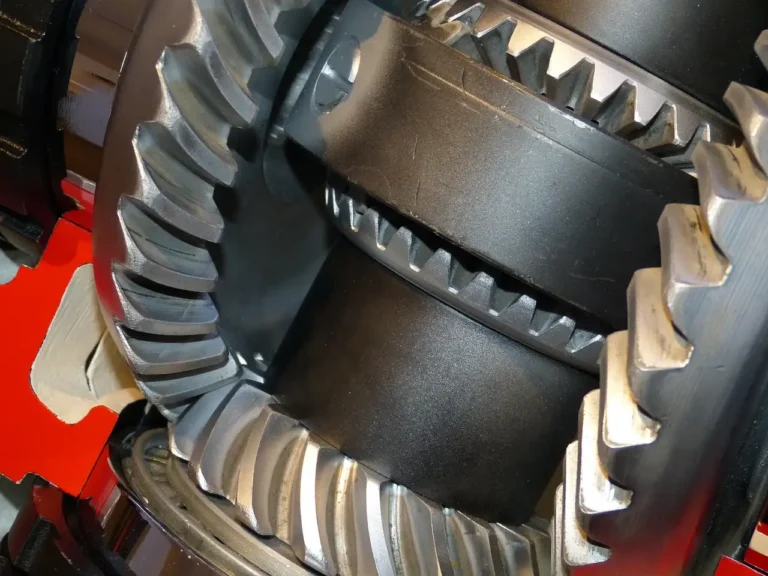
Differential noise also tends to follow vehicle speed rather than gear selection. Pinion or ring gear whine often changes with throttle and coast, but it usually appears across multiple gears at the same road speed.
If the noise is present in 2nd, 3rd, and 4th at the same speed, the differential becomes more likely. If it disappears when the gear changes but the road speed stays the same, the transmission moves up the list.
Mounts, axles, and tire noise
Engine and transmission mounts can transfer vibration into the cabin and create clunking or rattling when torque loads change in 2nd gear. Excess movement during acceleration can make a healthy transmission sound rough.
CV joints, axle shafts, and tires can also fool you. A failing outer CV joint may click on turns, while a tire with uneven wear can drone at a speed that overlaps the 2nd-gear range.
2nd gear noise decision table
Use the pattern below to separate a load-related transmission issue from road-speed noise, shift-transition noise, or a fault outside the transmission. Match the symptom pattern before you guess at the repair.
| When it happens | How it changes with speed or RPM | Changes when turning? | Most likely source | Next test step |
|---|---|---|---|---|
| Acceleration in 2nd only | Louder with throttle, quieter on coast | No clear change | Internal transmission load wear, low fluid, bearing, gear whine | Check fluid level and condition; compare noise in 1st, 2nd, and 3rd at similar speed |
| Coast in 2nd only | Louder when lifting off the pedal | No clear change | Differential backlash, gear wear, bearing preload issue | Repeat at the same road speed in another gear; listen for the same noise on decel |
| Only during the 1-2 shift | Brief sound tied to shift timing | No clear change | Valve body, solenoid, synchronizer, shift linkage, mount movement | Scan for codes and review live shift data; inspect mounts and linkage |
| Only at idle in gear | Changes little with road speed | No clear change | Mounts, clutch drag, converter issue, accessory or exhaust contact | Hold brake in gear, then in neutral; compare idle noise and vibration |
| Any gear at the same vehicle speed | Follows speed, not gear selection | Often changes on turns | Wheel bearing, tire, axle, differential | Drive a gentle left-right sweep to see whether the noise changes |
| Only when turning under load in 2nd | Changes with steering angle and throttle | Yes | CV joint, axle shaft, wheel bearing | Inspect boots, listen for clicking, and compare left and right turns |
What to check first
Start with fluid, leaks, and visible damage. Then look at mounts, linkage, axles, and scan data. That order catches many faults before you assume the transmission needs to come apart.
- Check transmission fluid level with the correct procedure for the vehicle.
- Inspect fluid color and smell. Look for dark fluid, burnt odor, or metallic debris.
- Look for leaks at the pan, cooler lines, seals, and case.
- Inspect engine and transmission mounts for cracks, collapse, or excess movement.
- Check shift linkage, cables, and selector adjustment if the gear change feels off.
- Use an OBD-II scan tool to read transmission codes and live data such as gear commanded, shift timing, and slip where available.
- Compare the noise in other gears at the same road speed and during gentle turns.
Suppose a sedan makes a low growl only while accelerating in 2nd at about 20 to 30 mph, but the same speed in 3rd is quiet. That pattern points to a gear or load issue, not a tire or wheel bearing, because the sound follows the gear choice more than the road speed.
A common first-time mistake is to stop at the code scan. A transmission can make a loud 2nd-gear whine, clunk, or shudder with no stored code, so the fluid check and road-test pattern matter just as much.
Can you keep driving?
You may be able to keep driving for a short time if the noise is mild, stays the same, and seems limited to 2nd gear, with no slipping, harsh banging, warning lights, or fluid loss. If the noise is getting worse, the vehicle is shifting badly, or fluid is leaking, have it inspected soon. If the transmission slips, grinds, loses drive, or makes metal-on-metal noise, stop driving.
When to monitor
Monitor the vehicle if the noise is light, unchanged, and only shows up under a narrow condition such as a gentle 1-2 shift. Keep trips short and avoid heavy throttle until the source is known.
When to inspect soon
Inspect soon if the fluid is low, the noise can be repeated, or the vehicle has harsh or delayed 1-2 shifts. That pattern can point to a wear issue that is cheaper to catch early.
When to stop driving
Stop driving if the noise becomes a grind, the transmission slips in 2nd or other gears, the fluid is severely burnt, or the vehicle will not stay in gear. At that point, continued driving can turn a repairable fault into a major internal failure.
Frequently asked questions
What causes a transmission to make noise only in 2nd gear?
Noise that appears only in 2nd gear usually comes from a load-sensitive part, a shift-control issue, or a nearby driveline component that happens to load hardest in that ratio. Common causes include worn bearings, low or wrong fluid, valve body or solenoid problems, synchronizer wear, mounts, CV joints, and differential wear.
Is a gear-specific transmission noise always a serious problem?
Not always, but it should be treated as a warning. A brief shift clunk from a mount or linkage problem is different from a steady whine, grind, or growl that repeats every time 2nd gear is used. Persistent noise deserves inspection before it spreads damage.
Can low transmission fluid cause noise in 2nd gear?
Yes. Low fluid can let the pump aerate, reduce lubrication, and create whining or shuddering that shows up under the specific load of 2nd gear. Check the level with the correct procedure for the vehicle, and look for leaks and burnt fluid at the same time.
Is it normal for an automatic transmission to be noisier in low gears?
Some change in sound can be normal because low gears multiply torque and alter hydraulic control behavior. But a distinct whine, clunk, or growl that appears only in 2nd gear is not something to dismiss as normal without checking fluid, shift quality, and driveline parts.
Does a bad 2nd gear sound different from wheel or differential noise?
Usually, yes. A transmission issue tends to follow gear selection or shift timing, while wheel bearing and many differential noises follow road speed. If the sound changes when you turn, think wheel bearing or CV joint first. If it changes only with 2nd gear, the transmission moves higher on the list.
Can shifting linkage or mounts make the transmission sound noisy in 2nd gear?
Yes. Loose linkage, worn bushings, or failing mounts can make a shift feel rough and can transfer engine movement into the cabin as clunking or rattling during the 1-2 shift. They can also make a healthy transmission seem louder by letting vibration travel through the body.
Can you keep driving if the transmission only makes noise in 2nd gear?
Maybe for a short time if the noise is mild and the vehicle still shifts normally, but do not ignore it. If the sound worsens, the fluid is low or burnt, or the transmission starts slipping, stop driving and get it inspected. That is the safer call.
What tests can tell whether the noise is inside the transmission?
Compare the noise at the same road speed in different gears, note whether it changes on acceleration or coast, and watch for changes while turning. Then check fluid level and condition, inspect mounts and axles, and scan OBD-II data for shift behavior or codes. Many internal noises will not set a code.
What is transmission noise?
Transmission noise is an unusual sound that comes from the transmission case, gears, bearings, clutch packs, hydraulic controls, or nearby components that load through the transmission. The sound may be a whine, growl, grind, rattle, or clunk, and the pattern matters more than the label.