Why Is My Manual Transmission Grinding Into Reverse?
If reverse grinds, start with clutch drag, then check shifter and linkage adjustment, and only then suspect an internal rotating-part fault. If the car creeps with the clutch fully down, the clutch is not releasing. Ignoring it can chew up the reverse idler and gear teeth, so this guide helps you separate clutch, linkage, and internal causes before you buy parts.
Why reverse grinds more than forward gears
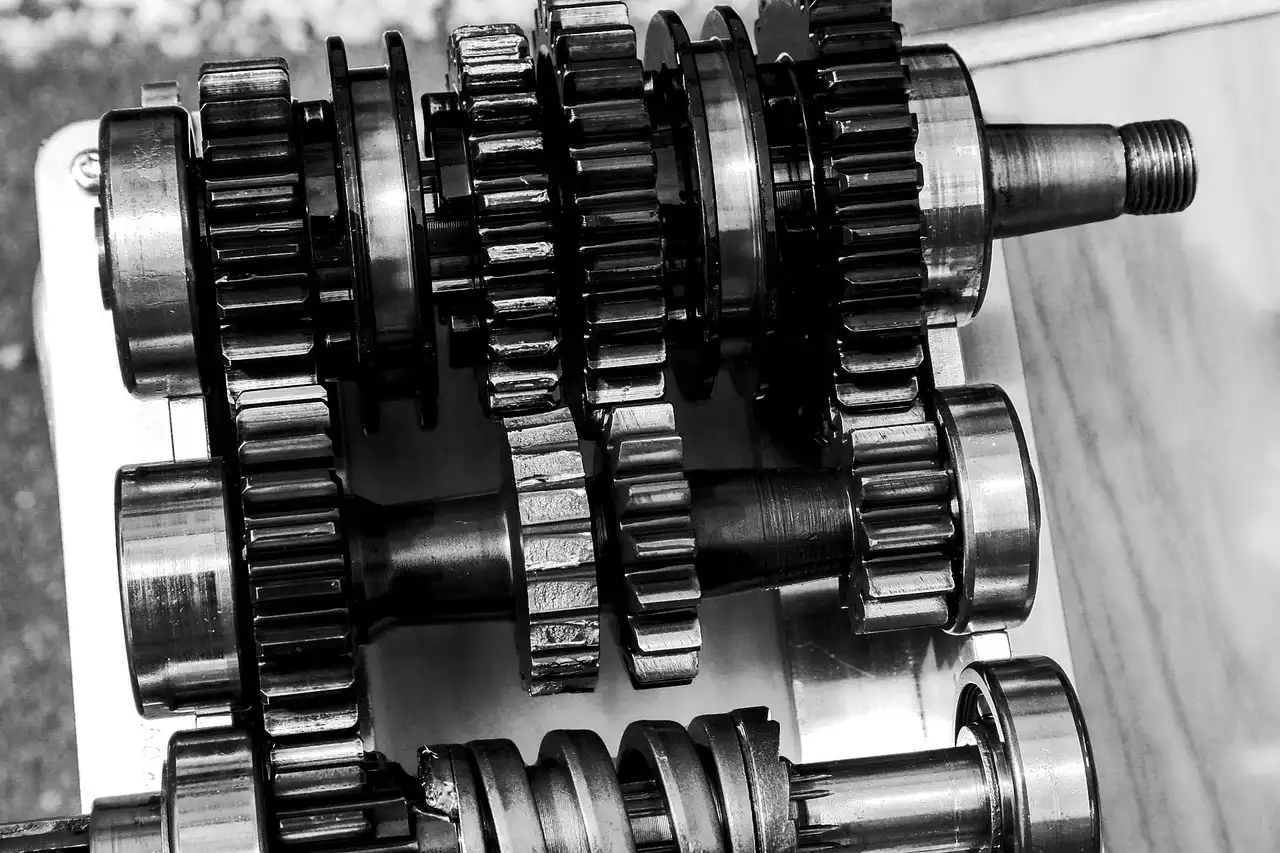
Reverse can grind more easily because many manual transmissions do not use a synchronizer on reverse. Forward gears often use synchronizers to match shaft speed before the gear teeth engage. Reverse commonly expects the shafts to be stopped or nearly stopped, so any spinning input shaft can cause a clash at the gate.
That is why a car can shift cleanly into first or second and still grind in reverse. The reverse gear itself may not be the problem. The issue can be that the input shaft is still turning because the clutch is dragging, the linkage is not moving the selector fully, or an internal part is keeping motion in the driveline.
What spinning input shafts do at the shift gate
When the clutch does not fully disconnect the engine from the transmission, the input shaft keeps spinning. If reverse is unsynchronized, the gear teeth meet while one side is still moving. That clash makes the familiar grind, especially when you push the lever in quickly without pausing for the shafts to slow down.
Why temperature changes the symptom
Cold gear oil can thicken and make shifting feel harsher. A dragging clutch can also act differently cold versus hot because hydraulic seals, fluid viscosity, and cable free play change with temperature. If reverse grinds only cold and improves after a short drive, fluid condition and release travel deserve extra attention before deeper teardown.
Reverse grind decision table
This table gives a quick sorting path. Use the engine-off test, the creep test, and the cold-versus-hot pattern together. One clue alone is weak; two or three matching clues usually point to the right bucket.
| Symptom pattern | Most likely fault | Next test |
|---|---|---|
| Engine off, reverse selects cleanly | Clutch drag or rotating input shaft with engine running | Start engine, hold clutch to the floor, wait 3-5 seconds, then try reverse again |
| Engine on, pedal fully down, car creeps in first or reverse | Clutch not fully disengaging | Check fluid level, pedal free play, and release travel; inspect hydraulics or cable setup |
| Grind is worse cold, improves hot | Thick gear oil, marginal clutch release, or both | Verify service interval and fluid spec; repeat test after full warm-up |
| Grind is worse hot, clutch pedal feel changes as the car warms | Hydraulic leakage, air in line, or heat-related release issue | Inspect master cylinder, slave cylinder, and any wet fittings for seepage |
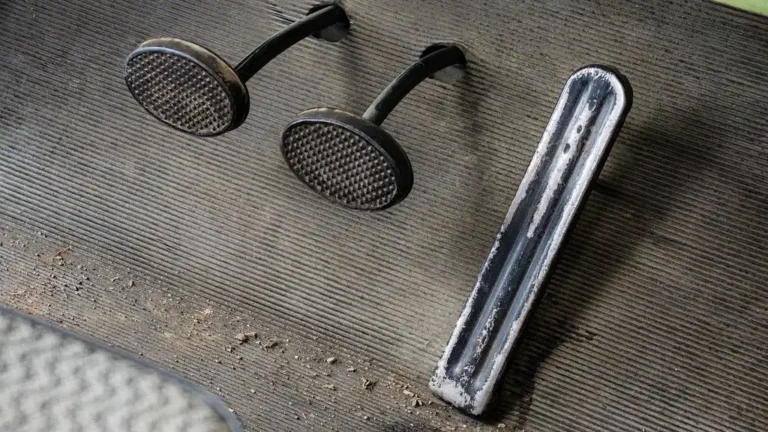
| Reverse grinds only with pedal not fully to the floor | Driver input or cable adjustment issue | Measure pedal free play and confirm the pedal reaches full release travel |
| Reverse grinds even with engine off and clutch fully released | Shift linkage misadjustment or bushing wear | Inspect shifter bushings, cable ends, and selector alignment at the transmission |
| Reverse only is hard, all forward gears feel normal | Reverse-specific selector, linkage, or internal reverse path fault | Compare selector movement at the transmission to lever movement at the cabin |
| Grind started right after clutch replacement | Incorrect release travel, air in hydraulics, misinstalled parts, or contaminated disc/flywheel | Recheck bleeding, pedal adjustment, and clutch assembly orientation before assuming a bad transmission |
Is the clutch dragging?
Clutch drag is commonly cited as a cause of reverse grind. It means the clutch is not fully disengaging, so the transmission input shaft keeps spinning when you want it stopped. That can come from hydraulic faults, cable misadjustment, or worn release components, and it often shows up first in reverse because reverse lacks a synchronizer in many manuals.
Hydraulic clutch checks
On hydraulic systems, check the master cylinder, slave cylinder, fluid level, and the line for air or internal leakage. A low reservoir, wet fittings, or a pedal that sinks slowly can point to trouble. Air in the line can reduce release travel, and an internal leak can let pressure bleed off without an obvious external drip.
Picture a sedan that grinds only after the pedal has been on the floor for a few seconds at a stoplight. If the pedal feels soft and the bite point changes from day to day, the hydraulic system is a better lead than the transmission itself.
Cable clutch adjustment checks
Cable-operated clutches need the right free play, pedal travel, and engagement point. Too much free play can stop the release bearing short of full clutch disengagement. Too little free play can hold the release mechanism in partial contact and create heat, wear, and odd pedal feel.
Check whether the clutch pedal reaches the same point every time and whether the cable adjustment matches the service spec for that vehicle. If reverse only grinds when the pedal barely clears the floor, the cable may need adjustment before any major parts are condemned.
Flywheel and clutch disc faults after recent service
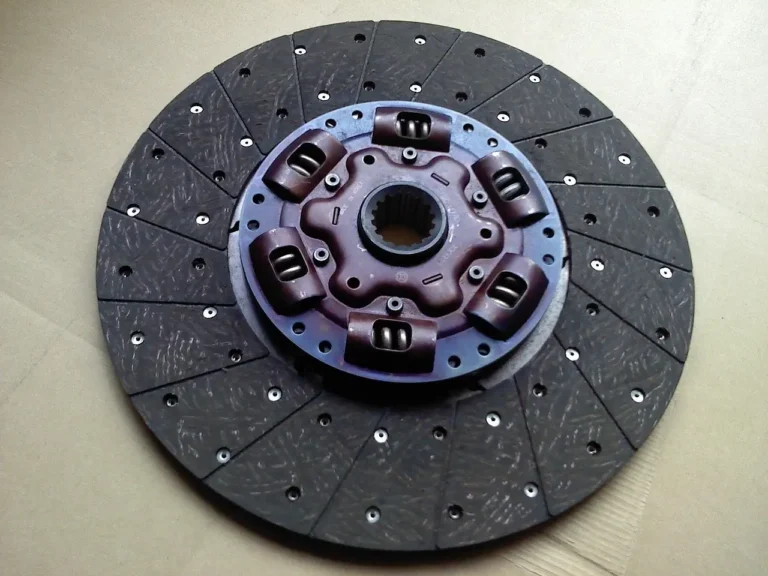
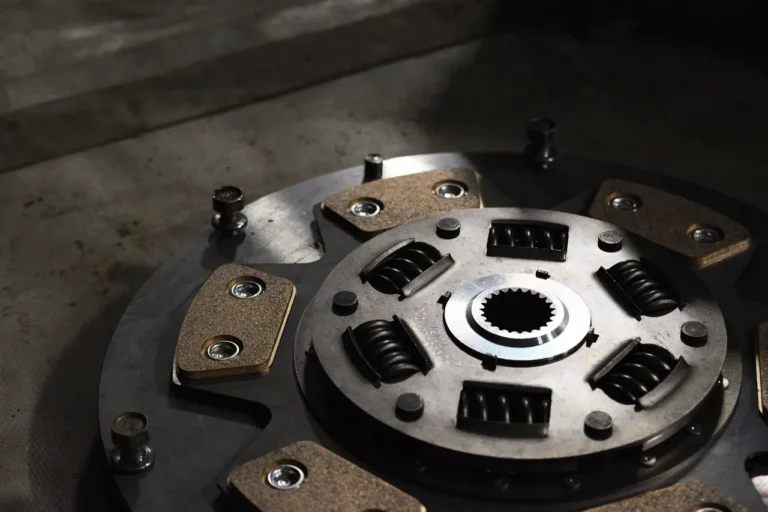
After clutch work, reverse grind can point to a misinstalled pressure plate, a clutch disc installed backward, contamination on the friction surface, or a warped flywheel. Those faults can create both drag and slip, which is why the car may feel inconsistent rather than obviously failed. A fresh repair does not rule out an assembly problem.
Could the pilot bearing or throwout bearing be the cause?
Yes. A worn pilot bearing can keep the input shaft spinning even when the clutch is pressed, and that often shows up as reverse grind first. A damaged throwout bearing can also prevent full release. These faults sit inside or at the edge of the bellhousing, so they are harder to confirm without deeper inspection.
Pilot bearing symptoms that point inside the bellhousing
A pilot bearing supports the transmission input shaft when the clutch is disengaged. If it drags, the shaft can keep turning after the pedal goes down. A common clue is reverse grind with an otherwise normal pedal and no clear hydraulic leak. In many cases, confirmation means transmission removal.
Throwout bearing clues from noise and pedal feel
The throwout bearing, also called the release bearing, contacts the clutch diaphragm when you press the pedal. If it is worn or damaged, the pedal may feel rough, noisy, or inconsistent. Noise that changes as you press or release the pedal matters here. A bad release bearing can stop full clutch release even when hydraulics are correct.
Suppose reverse grinds only when the pedal is pressed halfway, and you also hear a chirp or scrape at the top of pedal travel. That pattern leans away from the gearbox and toward the release hardware inside the bellhousing.
Why these faults often need deeper inspection
Neither pilot bearing nor throwout bearing faults are easy to prove from the driver’s seat. You can rule in the general area with pedal feel, noise, and creep behavior, but you usually cannot inspect the parts directly without removing the transmission. That is why symptom sorting matters before ordering major parts.
Could the linkage or fluid be at fault?
Yes. Shift linkage problems can stop the selector from fully reaching reverse even when the clutch is fine. Wrong or degraded gear oil can also make cold shifting worse. If reverse-only trouble does not match clutch drag patterns, check the shifter path and fluid before assuming an internal gear failure.
Shift linkage adjustment and bushing wear
Loose bushings, stretched cables, or incorrect adjustment can leave the selector short of the reverse gate. The lever may feel normal in the cabin while the transmission end is not moving far enough. If reverse only grinds when the lever is pushed in a certain way, linkage wear belongs on the short list.
Gear oil spec, age, and cold shift behavior
Gear oil that is too thick for the transmission, old, or below the correct service spec can make cold shifts harsher. This matters because reverse is often the first gear to complain when shafts are still moving and oil drag is high. Check the fluid type and interval against the transmission’s listed requirement, not a generic guess.
A common first-timer mistake is to blame the gearbox for a cold-morning grind that disappears after 10 minutes of driving. If the clutch releases cleanly and the problem fades as the oil warms, fluid spec and condition deserve a look before major repair.
When reverse-only trouble points away from the clutch
If first through fifth feel normal, the pedal reaches the floor, there is no creep, and reverse still grinds even with the engine off, the clutch is less likely than the linkage or reverse selector path. Reverse-only trouble that ignores pedal position often points toward adjustment, bushings, or an internal reverse engagement fault.
What should you check first at home?
Start with three checks: pedal feel, creep, and fluid level. These can tell you whether the fault is likely clutch drag, linkage misadjustment, or something deeper. Do not keep forcing the lever into reverse while you test, repeated grinding can damage teeth and make the problem harder to fix.
Quick pedal and creep checks
- With the engine off, move the shifter into reverse. Note whether it selects smoothly.
- Start the engine, hold the clutch fully to the floor, and wait a few seconds.
- Try reverse again. If it grinds now but not with the engine off, suspect clutch drag.
- With the clutch down and first gear selected, watch for creep. Any forward movement means the clutch is not fully releasing.
- Note whether the grind is worse cold, better hot, or unchanged.
Fluid level and leak checks
Check the clutch hydraulic reservoir if the car uses hydraulics, and inspect for wetness at the master cylinder, slave cylinder, and fittings. On cable systems, inspect the cable routing and adjustment hardware for slack or binding. For the transmission itself, confirm the gear oil level and condition are within the manufacturer’s service spec.
What not to force during testing
Do not jam the lever into reverse or hold pressure against the grind. Do not assume a brief quiet shift means the problem is gone. And do not keep testing with the car creeping, because that is a strong sign the clutch is still dragging and the fault is being made worse.
When does reverse grind mean a shop visit?
If the car creeps with the pedal fully down, reverse grinds with the engine off, or the symptom returns after you verify fluid, pedal travel, and linkage adjustment, a shop inspection is the next step. Those patterns can point to internal transmission damage, bellhousing faults, or release hardware that needs removal to confirm.
Signs that point to internal transmission damage
Grinding in reverse with the engine off and no creep with the clutch down weakens the clutch-drag theory. If shift linkage checks out and the selector still will not cleanly reach reverse, the reverse idler, selector forks, or related internal parts may be worn or damaged. That is when inspection inside the transmission becomes more likely.
Signs that point to release hardware or bellhousing problems
Soft pedal feel, noisy pedal operation, changing engagement point, or a problem that appeared right after clutch service all point toward the release side of the system. That includes the master cylinder, slave cylinder, release bearing, pilot bearing, clutch disc, pressure plate, and flywheel. Several of those parts can only be confirmed after removal.
When repeated grinding becomes a harder fault
Repeated grinding can remove a little material from the gear teeth and can make the next engagement worse. If reverse grinds often, shifts begin to reject more than one gear, or the car starts popping out of gear, the problem has moved past a simple nuisance. At that point, continued driving risks a larger repair.
Frequently asked questions
Why does my manual transmission grind in reverse?
Reverse often grinds because it is unsynchronized in many manuals, so it expects the input shaft to be stopped. If the clutch drags, the shifter is misadjusted, or the reverse gear path is worn, the teeth clash instead of meshing cleanly. Cold oil can make the symptom easier to trigger.
Why does my reverse gear grind?
Reverse gear grinds when the parts trying to mesh are still moving at different speeds. The most common reason is incomplete clutch release, but linkage misadjustment and internal reverse selector wear also matter. If the car creeps with the pedal down, start with clutch release rather than the gearbox.
Why do my gears grind when I shift into reverse?
If the grind happens only when you move into reverse, the cause is usually specific to the reverse gate rather than every gear. That pattern fits an unsynchronized reverse, a clutch that is not fully disengaging, or a selector that is not reaching its full travel. Compare engine-off and engine-on shifts.
Why does my clutch grind when I put it in reverse?
The clutch itself is not usually the part grinding; the noise comes from the transmission gears meeting while the input shaft is still turning. A dragging clutch, weak hydraulics, bad cable adjustment, or a worn pilot bearing can keep that shaft spinning. Reverse just exposes the problem first.
Is it bad to force reverse when it grinds?
Yes. Forcing reverse can chip gear teeth and wear the reverse engagement parts. If the lever resists, pause, release the clutch, and sort the cause instead of pushing harder. Repeated grinding turns a diagnosis problem into damage that may require much more than an adjustment.
Does reverse grinding mean my clutch is bad?
Not always. A bad clutch is a common cause, but the same symptom can come from a pilot bearing, throwout bearing, linkage wear, cable or hydraulic misadjustment, or gear oil that is not right for the transmission. The creep test and engine-off test help separate those causes quickly.