How to Engage 4WD Correctly: 2H, 4H, and 4L Steps
For most part-time 4WD trucks and SUVs, engage 4H at low speed with the wheels straight; for 4L, stop, shift the transmission to Neutral, then move the transfer case to 4L as directed by the owner’s manual. Wrong speed, wheel angle, or gear position can block engagement, bind the driveline, and make a working system seem failed. This guide gives the correct sequence, the light indicators to watch, and the common mistakes that cause false 4WD problems.
What 4WD modes do
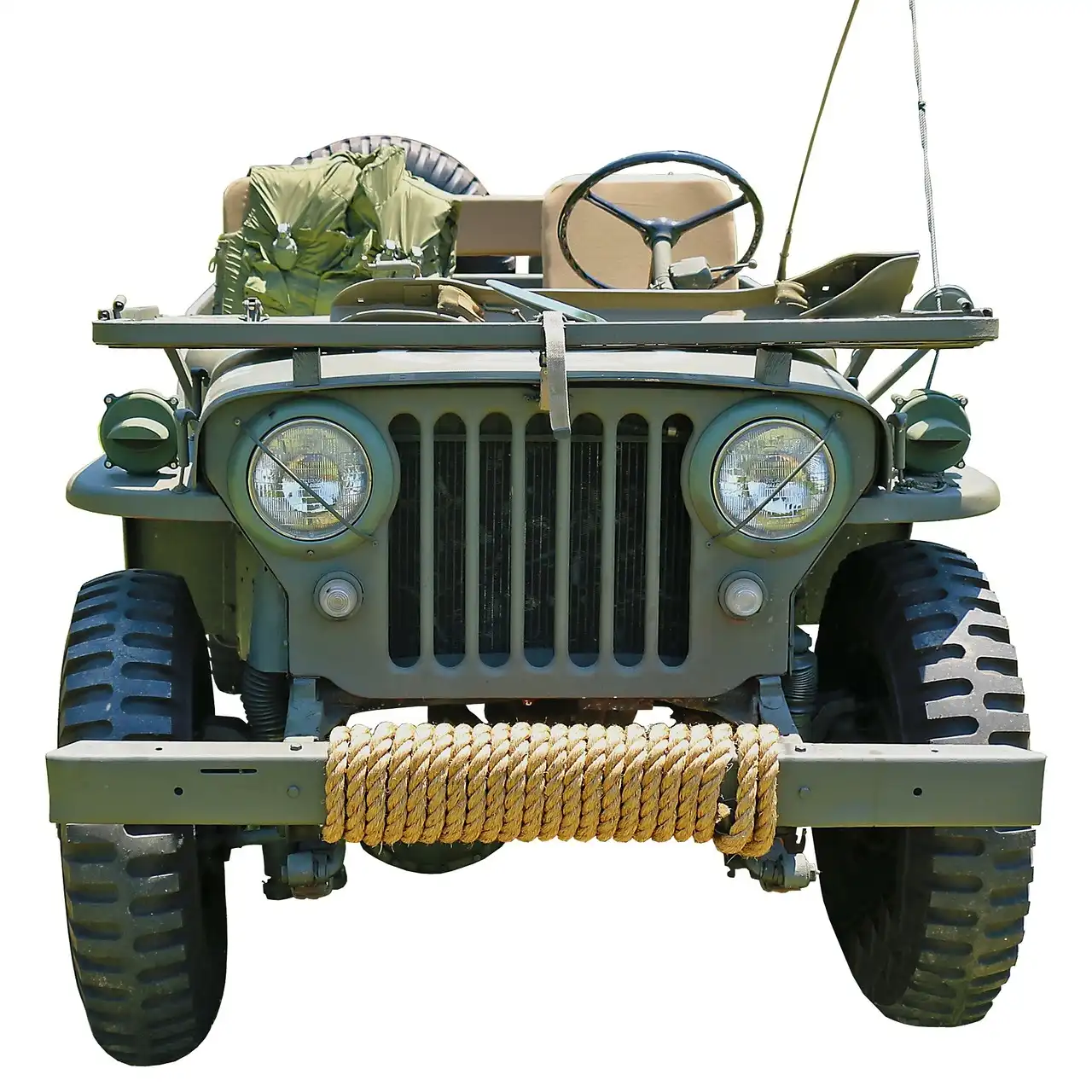
The transfer case selects drivetrain modes. A typical layout includes 2H, 4H, N, and 4L. 2H is the normal mode for day-to-day driving and powers the rear wheels in many trucks and SUVs. 4H sends power to all four wheels for slippery or rough conditions. 4L is for tough off-road challenges, including rocky, muddy, or uneven paths.
Neutral on the transfer case is different from transmission Neutral. In some stationary shifting procedures, it disconnects both axles from the powertrain so the transfer case can move between ranges. Use it only when the owner’s manual calls for it.
Part-time 4WD versus AWD
Part-time 4WD is usually a driver-selected system. It is common on trucks and body-on-frame SUVs, and it is not intended for dry pavement in locked mode. Many of these systems have no center differential and split torque 50/50 front to rear when 4WD is engaged. (Motortrend)
AWD is different because a center differential allows speed differences between the front and rear axles. That helps prevent drivetrain windup on pavement. Do not assume a part-time 4WD system can be used the same way.
When the transfer case should stay in 2H
Keep the transfer case in 2H for normal road use, especially on dry pavement. That is where part-time systems are designed to live most of the time. If the road is clear and traction is stable, 2H is the correct choice.
Use 4WD only when traction changes call for it. Tires and traction matter here. Proper inflation matters, and matching tire circumference across the axle set matters too. A mismatched spare or a tire with much less tread can confuse the system and change how it shifts.
📊 MotorTrend says some part-time 4WD systems have no center differential. Source: Motortrend.
Before you shift
Check the vehicle first, not the selector. Tires should be in good condition and properly inflated. Look for obvious mismatches in size or wear. Then read the owner’s manual for the exact speed, brake, and gear rules for your transfer case.
Some systems can shift to 4H while driving under 40 mph. That figure varies by manufacturer, so the manual controls the final limit. If the system requires a stop or a brake hold, follow that procedure exactly.
Preparation steps that matter
- Confirm the tires match in size and wear as closely as possible.
- Check inflation against the door placard or owner’s manual.
- Move onto flat ground when the manual calls for a stationary shift.
- Ease off the throttle before shifting if the system needs load reduction.
- Keep the wheels pointed straight for any move that is meant to happen on the roll.
- Verify the expected indicator light after the shift completes.
Say your truck is rolling at a low, steady speed on a snow-covered road and the front wheels are turned into a corner. A shift that should have been simple may hang up because the axle speeds do not match what the transfer case wants. Straighten the wheels first, then try again under the manual’s limit.
How do you engage 4WD correctly?
The correct sequence depends on the drivetrain type. Manual lever systems usually need a deliberate lever move and clear vehicle conditions. Push-button and shift-on-the-fly systems often need a throttle lift and a speed window. Electronic selectors may ask for brake pressure, a stop, or a short delay before the indicator confirms the new mode.
Manual lever procedure
For a manual lever, reduce load, keep the vehicle on the correct surface, and move the lever firmly to the requested range. If the manual requires a stop, stop. If it requires Neutral in the transmission for 4L, do that before moving the transfer case. Do not force the lever if it meets resistance.
Push-button or shift-on-the-fly procedure
With push-button or shift-on-the-fly systems, keep within the speed limit stated in the manual. Many are set around 40 mph, but that is not universal. Ease off the throttle, keep the steering straight, and wait for the 4H light or mode icon to confirm the shift.
Electronic selector procedure
Electronic systems often look simple because the knob or dial moves easily, but the transfer case still has to complete the shift. If the system requests a brake input, a stop, or transmission Neutral, follow that order. Wait for the dashboard confirmation before assuming the shift is complete.
4WD engagement checklist
This checklist shows the core differences between the common system types. Use it with the owner’s manual, because selector behavior and confirmation lights vary by model.
| Drivetrain type | Required vehicle state | Acceptable speed | Selector movement | Dashboard confirmation | Common mistake |
|---|---|---|---|---|---|
| Manual lever | Flat ground when required; throttle eased or stopped if needed; transmission in the specified gear | Stationary or very low speed, depending on the manual | Move the transfer case lever directly to 4H, N, or 4L as directed | 4H or 4L indicator lights steadily; no flashing after completion | Forcing the lever while the driveline is loaded or the wheels are turned |
| Push-button and shift-on-the-fly | Straight wheels; eased throttle; brake only if the manual asks for it | Often around 40 mph for some systems, but verify the manual | Press the 4H or 4L request button and hold until the system accepts it | Mode light changes from flashing to steady when the shift finishes | Pressing the button above the allowed speed or under hard acceleration |
| Electronic system | Brake, stop, or transmission Neutral if the procedure requires it; level ground when specified | Manufacturer-specific; many allow 4H only at low speed | Turn the selector to the requested range and wait for the transfer case to respond | Selected mode appears solid on the cluster or selector display | Assuming the light flash means the shift has already completed |
Can you shift into 4H while driving?
Often, yes. Many systems allow a shift into 4H while moving at low speed, and some guidebooks list a limit under 40 mph. That said, the owner’s manual decides the actual limit. If the manual wants a stop or a throttle lift, do that first.
4H is meant for slippery or rough conditions, not for dry pavement. If the shift does not finish, the issue may be speed, wheel angle, throttle load, or a system that needs a second attempt after the conditions are corrected.
What to do before moving the selector
Straighten the wheels, lift off the throttle, and keep speed within the stated range. If the surface is snow, gravel, mud, or wet grass, 4H may be the right mode. If the road is dry and clean, stay in 2H.
Signs the shift did not complete
A flashing indicator that never turns solid usually means the shift is still pending or has not taken. A dashboard icon that changes but does not match the actual drivetrain feel can point to a light mismatch. A harsh driveline feel, hopping in turns, or a binding sensation suggests the system may be partially engaged or under bind.
Suppose an SUV’s 4H light starts flashing after a button press at around 50 mph, which may indicate that the shift was attempted under conditions that are not suitable. The driver slows, straightens the wheels, and tries again at a lower speed. If the light goes solid after that, the original problem was the shift conditions, not a broken transfer case.
When should you use 4H or 4L?
Use 4H for slippery roads, loose gravel, wet dirt, light mud, and similar conditions where extra traction helps but road speed still matters. Use 4L for steep climbs, rocky crawls, deep snow, muddy ruts, and other low-speed work where maximum torque and control matter more than speed.
Snow, rain, gravel, and mud
4H is the better choice when conditions are slippery or rough but still moving. It helps on snow-packed roads, rain-slicked dirt, gravel tracks, and shallow mud. For many drivers, this is the range that replaces 2H when traction drops.
Rock crawling, steep grades, and deep snow
4L is for slow, controlled driving. It keeps the vehicle moving at low speed with more torque at the wheels. That makes it the better choice for steep grades, rocky ledges, deep snow, and uneven terrain where wheel control matters more than road speed.
Towing, sand, and loose terrain
Use the mode that matches traction and load, not the mode that feels strongest. Sand and loose terrain can call for 4H or 4L depending on speed, depth, and slope. Towing on a loose boat ramp or muddy launch area may call for 4H, but only if the manual permits it.
What if 4WD will not engage?
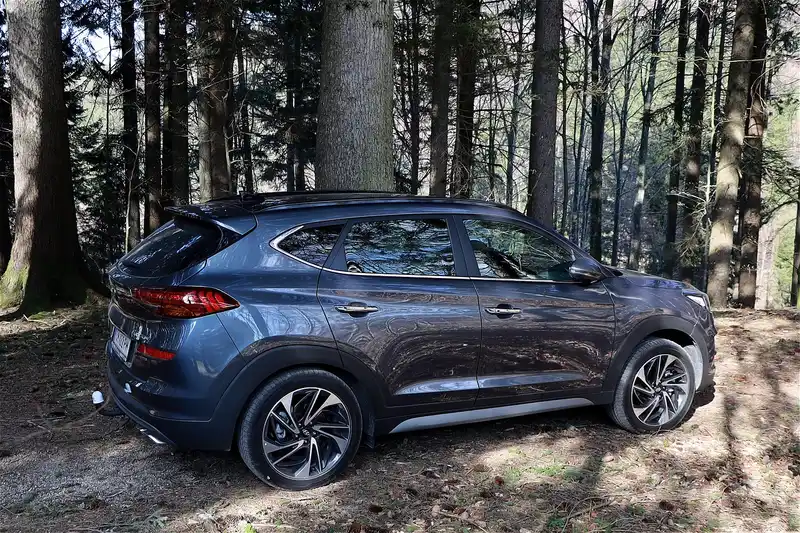
If 4WD will not engage after the correct procedure, retry the sequence with the right speed, throttle, and gear position. Then check the basics: tire condition, tire pressure, selector position, brake input, and whether the vehicle is on the surface required by the manual. If it still will not engage, stop and diagnose further.
Retry the correct sequence
Shift out of the current attempt, return to the required starting point, and try again. On many systems, that means easing off the throttle, straightening the wheels, and repeating the command within the proper speed limit. For 4L, it may mean stopping and moving the transmission to Neutral before selecting the range again.
Check speed, throttle, and brake position
A common failure point is driver load, not broken hardware. Too much speed, too much throttle, or a brake input that does not match the manual can keep the transfer case from finishing the move. Correct those conditions before you assume the system is failed.
Spot no shift, partial engagement, and light mismatch
No shift: the selector command is accepted, but the mode never completes and the display keeps flashing. Partial engagement: the drivetrain feels tight or binds in turns, which can happen if the transfer case has not fully settled into the new mode. Light mismatch: the dashboard says one thing, but the driveline behavior suggests another. In that case, do not keep driving hard until you know which is wrong.
A common first-timer mistake is assuming a flashing 4H light means a bad transfer case. Often it means the shift is still waiting on speed, wheel angle, or throttle load. Another common mistake is calling every bind a failure, when a dry-pavement part-time 4WD system may simply be doing exactly what it should not do on that surface.
Frequently asked questions
How to use 4×4 correctly
Use 2H for normal pavement, 4H for slippery or rough surfaces, and 4L for slow off-road control. Keep the tires matched and properly inflated, follow the selector rules in the owner’s manual, and do not run a part-time 4WD system in locked mode on dry pavement.
How to use 4wd properly
Use the transfer case only when traction calls for it. Shift at the speed, throttle, and gear position the manual requires. For many systems, that means straight wheels and a low-speed 4H shift, then a stop and transmission Neutral for 4L. Wait for the indicator to confirm completion.
How to engage 4 wheel drive
Start by checking the manual for the exact procedure. Then choose the correct mode, ease off the throttle, and move the selector or press the button within the allowed speed range. Watch for the light to change from flashing to steady, because that is often the sign that the transfer case has finished shifting.
Do I need to stop before engaging 4WD?
Sometimes. Some systems allow a shift into 4H while driving at low speed, and some guides place that limit around 40 mph. Many 4L procedures require a stop and transmission Neutral. The owner’s manual decides which mode needs a stop and which can be shifted on the move.
When should I use 4H instead of 4L?
Use 4H for roads and trails where you still need moderate speed: snow, rain, gravel, light mud, and similar conditions. Use 4L when the terrain is steep, rocky, muddy, or deeply covered in snow and you need low-speed torque and control. 4L is not a faster version of 4H.
What happens if I use 4WD on dry pavement?
On a part-time 4WD system without a center differential, the front and rear axles cannot turn at different speeds in the same way AWD can. That can cause drivetrain bind, hopping in turns, or harsh steering feel. If the pavement is dry, stay in 2H unless the manual says otherwise.