Why Is the AWD Light Flashing?
A flashing AWD light often means the system has detected a fault or wheel-speed mismatch and may disable AWD; if it stays flashing after startup or comes back within a few miles, it should be treated as a fault. Driving it that way can increase tire wear, trigger harsh shifting, or damage the transfer case if the problem is mechanical. This guide shows the first checks to separate tire and sensor issues from transfer-case or drivetrain faults.
What a flashing AWD light means
A flashing AWD light is an active warning. A steady light often points to a stored issue that is less urgent, while a flashing light usually means the control system sees a live problem and may limit torque distribution until the fault is corrected.
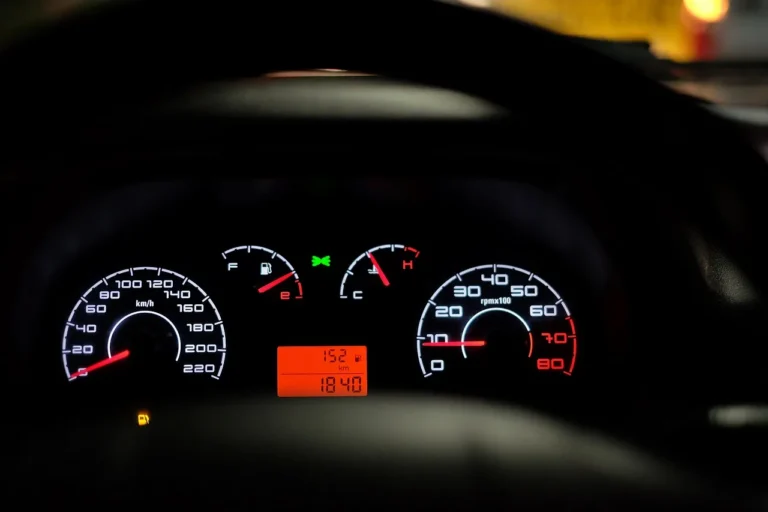
Solid light versus flashing light
Solid and flashing behavior matter. A solid check engine light often points to a fault that needs attention, but not immediate shutdown. A blinking check engine light indicates an urgent problem, and a flashing warning can also signal engine misfire, high temperatures, or a fault severe enough to damage parts if you keep driving.
AWD systems commonly use shared inputs from wheel speed sensors, transmission data, traction control, and stability control. A flash can mean the AWD hardware itself has a problem, but it can also mean the system has disabled itself because one of those inputs looks wrong.
When the car is still drivable and when it is not
If the vehicle drives normally, shifts normally, and shows no vibration, binding, smoke, or loss of power, the trip may be short and gentle enough to get you to a repair point. If the AWD light flashes with shuddering, jerking, binding in turns, or a flashing engine light, stop driving and get it checked right away.
That urgency changes fast if the engine light is flashing too. A flashing check engine light can signal engine misfire, and flashing lights can be accompanied by rattling, smoke, odors, and loss of power. In that situation, do not keep driving the vehicle.
Which other warning lamps change the urgency?
Traction control and stability control lamps matter because they share sensors with AWD logic. If those lights flash together, the issue may be sensor-related rather than a failed center coupling or transfer case. If the engine lamp is flashing at the same time, treat the problem as urgent until proven otherwise.
AWD light triage table
This table is meant to separate the common patterns. Use the symptom pattern first, then match the first check to the simplest likely cause before replacing parts.
| Symptom pattern | Most likely cause | First check | Whether driving is usually okay |
|---|---|---|---|
| Flashing AWD light after recent tire rotation or replacement | Tire circumference mismatch from mixed tire sizes or uneven rolling diameter | Confirm all four tires match size and similar tread depth | Usually only for a short, gentle trip after the mismatch is confirmed and corrected quickly |
| Subaru Forester, Crosstrek, or STI flashes AWD lamp with no engine misfire | Tire mismatch, wheel speed sensor signal conflict, or center coupling issue | Check tire sizes, then scan ABS and AWD-related modules with a module-capable scan tool | Often yes if it drives normally and the flash is tied to a tire or sensor issue |
| Infiniti G37 or Nissan/Murano-type AWD light flashes with slipping, jerking, or harsh shifting | Transfer case, actuator, or related drivetrain fault | Check transfer-case and differential fluid condition, then read stored drivetrain codes | Usually no if the vehicle shudders, binds, or shifts harshly |
| Generic AWD/4WD light flashes while turning tightly on dry pavement | Tire rolling diameter mismatch or driveline bind | Inspect for mixed tires, uneven wear, or a compact spare still installed | Sometimes okay for a very short drive only if no vibration or binding is present |
| Spare tire fitted on one corner and AWD light starts flashing | Spare tire mismatch | Replace the spare with the correct tire and size-matched wheel as soon as possible | Usually not for normal driving distance |
Why tire mismatch can trigger the light
Tire circumference mismatch is one of the most common AWD-specific triggers. AWD systems compare wheel speed signals, so a tire with a smaller rolling diameter can look like a slipping wheel. That mismatch can happen from uneven wear, one brand or size being different, or a compact spare being installed.
Rolling diameter difference from wear or replacement
Even when the printed tire size matches, tread depth can change the rolling diameter enough to matter. A common rule of thumb is to keep the tires closely matched in tread depth across all four corners, and to avoid mixing tires with obvious wear differences on full-time AWD systems. If one tire is much newer than the others, the system may see a constant speed difference.
Say your Forester gets two new tires on the front axle while the rear tires are near the wear bars. The car may still move, but the AWD module can read the speed mismatch as slip and flash the warning. Matching the remaining tires or replacing the full set often clears the problem path.
Compact spare use and temporary mismatches
A compact spare is a frequent cause because it usually has a smaller rolling diameter than the road tire it replaces. That difference can confuse the AWD logic immediately. If the warning started after a flat tire, the spare itself is the first thing to suspect.
What to check after a recent tire change
- Confirm all four tire sizes match the placard and each other.
- Compare tread depth and look for one tire that is much newer or much more worn.
- Check whether a compact spare is still installed.
- Look for a pressure imbalance that could change rolling radius.
- If the light started right after service, ask whether tires were rotated onto the wrong axle or mixed from different wear levels.
Transfer case and fluid faults
The transfer case is the part that helps distribute torque between axles on many AWD and 4WD systems. If it has low, degraded, or wrong fluid, or if the actuator inside it sticks, the vehicle may flash the AWD or 4WD light and change how power is sent to the wheels.
How the transfer case affects torque distribution
When the transfer case cannot shift or control torque correctly, the system may protect itself by disabling AWD. That can show up as a flashing indicator, harsh engagement, binding in turns, or a driveline noise that changes with speed. Some vehicles call this an AWD fault, others a 4WD fault, but the logic is similar.
Low, dirty, or overdue fluid
Driveline fluid matters in the transfer case and often in the rear differential too. Low fluid, overheated fluid, or fluid left in service too long can create wear, heat, and actuator problems. Some systems are sealed or do not have a simple dipstick check, so the check may require a fill plug or a shop inspection rather than a quick glance.
Service intervals vary by model, so the owner’s manual matters here. If the light appeared after towing, deep snow, or long highway driving, heat and fluid condition deserve attention.
Actuator or internal wear signs
A failed actuator can produce a flash even when the vehicle seems fine at first. Internal wear is more likely when the light comes with vibration, grinding, binding in tight turns, or a recurring fault after the code is cleared. That is the point where a repair shop should inspect the transfer case rather than just the tires.
Sensor and stability-control faults
Wheel speed sensors are a common reason for an AWD warning on vehicles that use ABS and stability-control data to manage traction. The AWD computer may see a bad signal from one wheel, then flash the light because it cannot trust the speed data it uses to control torque.
Wheel speed sensor problems
A wheel speed sensor fault can come from the sensor itself, damaged wiring, corrosion, or a reluctor-ring problem at the hub. The telltale clue is a flash along with ABS or traction control warnings, especially if the vehicle drives normally on dry pavement but the lights return after a few miles.
Why a module-capable scan tool matters
A basic OBD-II reader may not access every ABS, AWD, transmission, or body module. That limitation matters because the stored fault may live in an ABS or stability module rather than the engine computer. A module-capable scan tool, or dealer-level diagnostic equipment, is often needed before parts replacement makes sense.
The first step is to visit a dealer or mechanic to determine the cause when the light keeps returning. A code reader can help, but it must read the right module; otherwise, you can clear the wrong lamp and miss the actual fault.
Ignition misfire can change the diagnosis
If the engine light is flashing at the same time, do not assume the AWD system is the only issue. A flashing check engine light can mean a misfire, and a flashing check engine light and shaking commonly point to an engine misfire. Bad spark plugs are identified as the number one culprit in that symptom set. Fixing the engine fault comes first.
Why Subaru and Infiniti cases differ
Subaru and Infiniti/Nissan AWD systems can flash for different reasons, even when the dashboard warning looks similar. Subaru complaints often lean toward tire mismatch, wheel-speed input conflicts, or center-coupling behavior. Infiniti and Nissan complaints more often involve transfer-case or actuator behavior when the vehicle jerks, binds, or shifts oddly.
Subaru Forester, Crosstrek, and STI patterns
On Subaru models, a flashing AWD light with no harsh driveline symptom often points to a speed-signal conflict, recent tire replacement, or a mismatch in tire circumference. A common first-timer mistake is to replace only one tire on a full-time AWD Subaru and then wonder why the light returns. Equal tire size and closely matched wear matter here.
Suppose a Crosstrek gets a used tire that matches the size code but has several millimeters more tread than the other three. That can be enough to confuse the system. If the warning starts after the tire change, that is the first place to look.
Infiniti G37 and Nissan/Murano-type patterns
On Infiniti G37 and many Nissan/Murano-type AWD systems, a flashing light paired with binding, vibration, or harsh shifting pushes the diagnosis toward the transfer case or its control hardware. If the flash shows up with a drivetrain shudder, you should not keep driving normally and hoping it will clear.
These vehicles can still flash for sensor or tire mismatch issues, so do not skip the wheel-speed and tire checks. But if the system feels like it is fighting itself in turns or under throttle, drivetrain fault moves higher on the list.
What clues point to driveline versus sensor trouble
Sensor trouble usually brings lights and little else: ABS, traction control, or AWD flashing with normal steering and no binding. Driveline trouble usually brings a change you can feel: vibration, clutch-like grabbing, strange shift behavior, or tight-turn bind. That difference helps you decide whether the car can be moved carefully or should be parked.
Frequently asked questions
Why is my AWD light flashing?
A flashing AWD light usually means the system saw a live fault, such as a wheel-speed mismatch, transfer-case issue, or sensor conflict. If it stays flashing after startup or comes back after a few miles, treat it as a real fault and inspect tires, shared sensors, and drivetrain fluid before guessing at parts.
Why is my AWD light flashing Subaru?
On Subaru models, the flashing AWD light often points to tire circumference mismatch, a wheel speed sensor problem, or a control issue tied to the AWD logic. Check for a recent tire change, a compact spare, or uneven wear first. If the car also drives oddly, read the AWD and ABS-related codes with the proper scan tool.
Why is my AWD light flashing Infiniti G37?
A flashing AWD light on an Infiniti G37 can come from transfer-case control faults, actuator trouble, or a wheel-speed signal problem. If you also feel jerking, binding, or harsh shifting, the drivetrain gets priority. A module-capable scan tool is important here because the fault may not live in the engine computer.
Why is my four wheel drive light flashing?
A flashing 4WD light usually means the system cannot fully engage or confirm four-wheel drive. Common causes include transfer-case fluid problems, actuator faults, or a wheel-speed mismatch. If the vehicle binds in turns or shifts harshly, stop treating it as a simple dash glitch and check the driveline first.
Can I keep driving if the AWD light is flashing?
Maybe for a short, careful trip if the car drives normally and the cause looks like a tire mismatch or temporary sensor glitch. Do not keep driving if the engine light is flashing, the vehicle is shuddering, or you hear driveline noise. Those signs raise the risk of damage fast.
Does a flashing AWD light mean the system is broken?
Not always. It can mean the system has been disabled by a mismatch or a sensor fault, which may be fixable without major repairs. It can also mean a real mechanical failure in the transfer case or actuator. The symptom pattern, stored codes, and tire check decide which one it is.