What Should a Pre-purchase Inspection Check for Clutch Slip?
Check for rpm flare under load, a high biting point, burnt odor, and poor hill starts. If the clutch slips in more than one of these checks, treat the car as higher risk. Missed slip can turn a bargain into an immediate clutch job, often with flywheel damage and a bigger bill. This guide separates road-test clues from workshop checks and shows when to walk away.
What a slipping clutch tells you
A slipping clutch shows up when engine speed rises and road speed does not keep pace. The clearest clue usually appears under load, especially in higher gears or on a hill, because that is when the clutch has to transmit more torque. A pre-purchase inspection should separate that road-test evidence from faults that need workshop confirmation.
How slip shows up under load
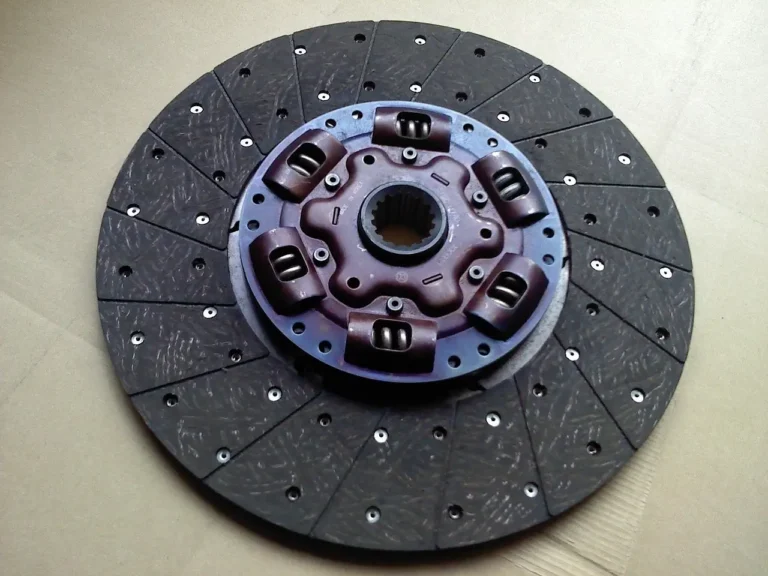
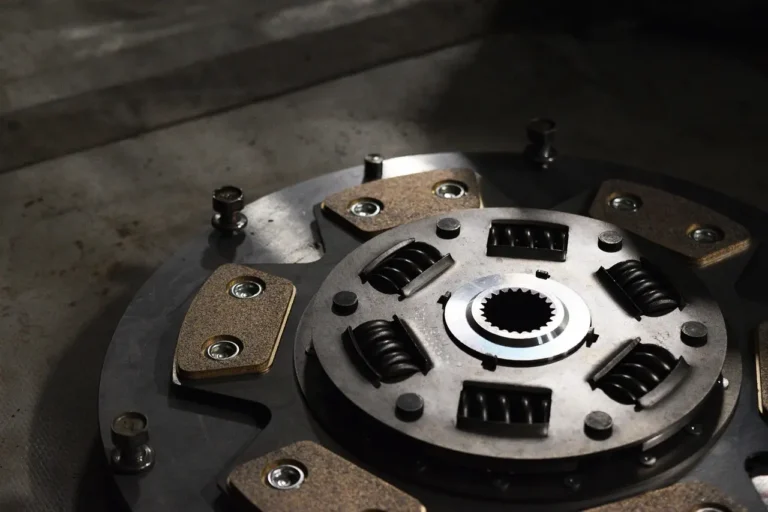
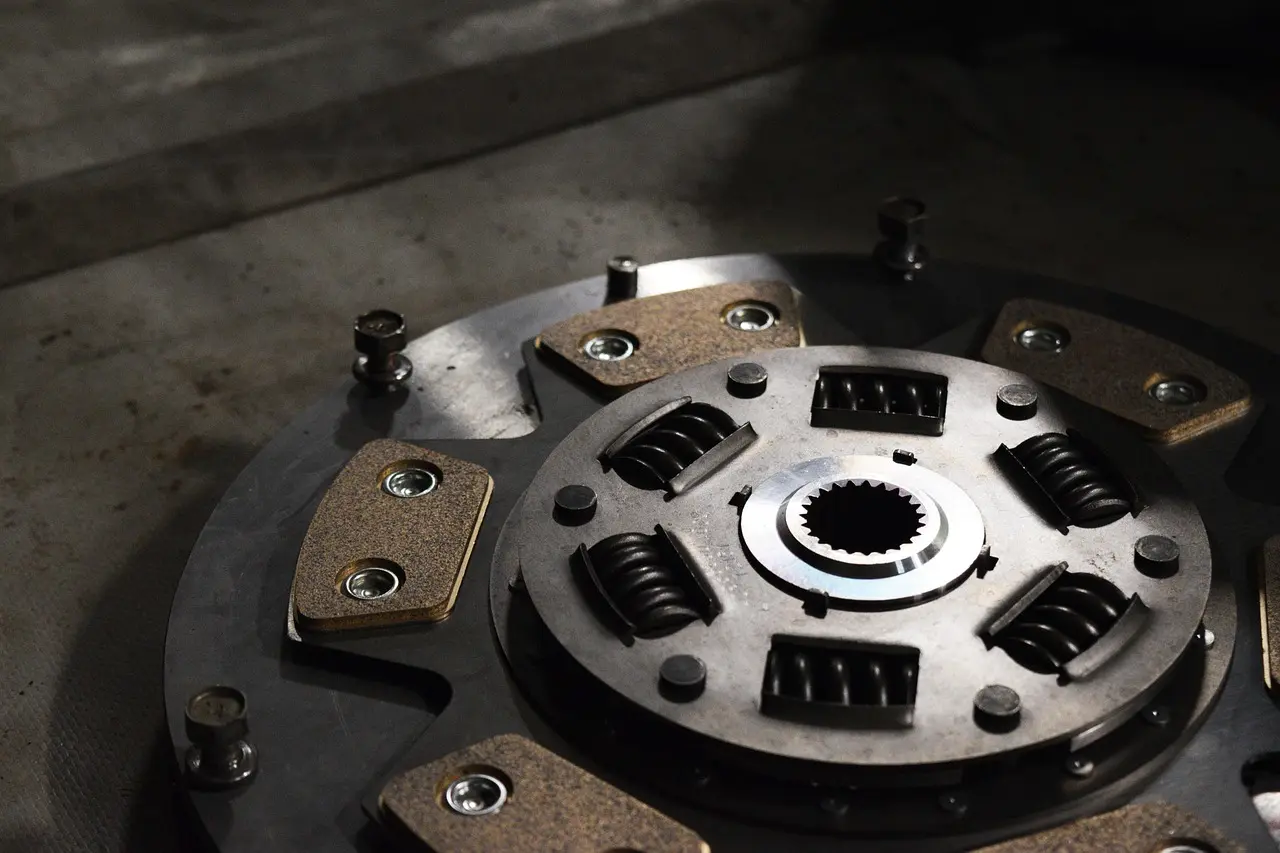
In a manual car, the friction plate should lock the engine to the gearbox once the pedal is fully released. If the clutch is worn, glazed, contaminated, or weak in clamping force, the engine may rev freely while the car hesitates. That mismatch is often more noticeable in 3rd or 4th gear than at idle, where light throttle can hide the fault.
Slip often feels worse during a full-throttle pull, a low-speed roll-on in a tall gear, or an uphill acceleration test. A burnt smell after that test adds weight to the diagnosis, but smell alone is not proof. It can come from a recent hard launch, a heated flywheel, or a hydraulic fault that is letting the clutch drag and overheat.
How to separate slip from engine power loss
Engine power loss usually gives weak acceleration without the sharp rev flare. A slipping clutch gives the opposite: the engine speed climbs, but the road speed stays behind. Wheelspin can also confuse the picture, so watch for tire chirp, traction control intervention, or steering correction, which point away from clutch slip.
- Choose a tall-gear pull. Hold 3rd or 4th gear at low road speed, then apply steady throttle. A healthy clutch should tie road speed and rpm rise together; a flare in revs without speed gain points toward slip.
- Repeat on a hill. Use an uphill pull if the route allows it. Clutch slip is often more visible there because load rises quickly, so a borderline clutch that passes on flat road may fail on grade.
- Watch the whole car. Look for traction-control lights, wheelspin, or obvious missed gear selection. These can create the same sensation as slip, but the cause is different and the repair scope is smaller.
Say the car pulls cleanly in 2nd gear at light throttle but flares in 4th from 1,500 to 2,500 rpm while road speed barely changes. That pattern fits clutch slip far better than a general engine problem. If the same car also smells burnt after the pull, the diagnosis moves closer to a worn or overheated clutch pack.
Could the pedal or hydraulics be the cause?
Yes. A normal-feeling pedal does not clear the clutch system, and a soft, sinking, or inconsistent pedal can point to hydraulic trouble that causes poor clutch release or partial engagement. The inspection should check bite point height, free play, return action, and the master and slave cylinders before the buyer treats the clutch as a simple wear item.
Bite point height and free play
A bite point that sits very high in the pedal travel can mean the friction material is worn. Too little free play can also keep the clutch slightly loaded all the time, which creates heat and slip. The pedal should return cleanly and consistently, without hanging low or changing feel from one press to the next.
Small changes matter. If the pedal starts to feel firmer after a few presses, air in the hydraulic system may be present. If it sinks toward the floor or returns slowly, the master cylinder or slave cylinder may be leaking internally or externally.
Master and slave cylinder checks
The hydraulic clutch system can mimic slip or make it worse by preventing full clamp-up. A worn master cylinder may bypass fluid internally. A slave cylinder leak can reduce release control and may leave fluid traces near the bellhousing or on the transmission casing.
- Inspect pedal behavior. Press the pedal several times with the engine off, then again with the engine running. Note any change in free play, return speed, or firmness, because inconsistent feel supports a hydraulic fault.
- Check fluid level. Review the clutch or shared brake reservoir if the vehicle uses one. A low level suggests a leak, and a reservoir that drops over time deserves workshop verification before purchase.
- Look for leakage. Check the master cylinder, hydraulic line, and slave cylinder for dampness, stained dust, or fresh fluid. Any leak raises the repair scope beyond a simple clutch disc replacement.
Picture a manual sedan with a high bite point, but the pedal still feels firm and returns normally. That can still be a worn friction plate or pressure plate, so the clutch is not cleared. If the pedal is high and soft as well, the hydraulic system moves much higher on the suspect list.
What else should inspection check before you buy?
Service history, underbody condition, and prior repair records help confirm whether the clutch fault is isolated or part of a broader wear pattern. The inspection should look for clutch replacement history, recent fluid loss, oil contamination, and signs of engine or transmission leaks that can soak the friction plate.
Service history and prior repairs
Ask for invoices that show clutch replacement, hydraulic work, or flywheel replacement. A recent clutch job with no matching flywheel record is worth a closer look on dual-mass flywheel cars, because the flywheel can keep the slip or shudder alive after a new friction plate goes in. Missing records do not prove failure, but they raise uncertainty.
Underbody leak checks
Look under the bellhousing, around the gearbox joint, and near the engine rear main seal area for oil traces. Oil or grease on the friction plate can cause slip even if the lining still has thickness left. Transmission input seal leaks can do the same, and the repair may require more labor than the buyer expected.
Flywheel and contamination clues
Modern manuals often use a dual-mass flywheel, and those units can add cost and risk when they are worn, hot-spotted, or scored. Heat damage may show up as a burnt odor, uneven engagement, or chatter at take-up. If the clutch slips and the flywheel is also damaged, the buyer should budget for both parts, not only the disc.
Clutch slip decision matrix
Use this matrix to turn one clue into a buying decision. A single symptom may need more checking; two or more related clues move the car into renegotiate or walk-away territory.
| Test observed | Likely cause | Inspection next step | Buying action |
|---|---|---|---|
| High biting point | Worn friction plate or weak pressure plate clamp | Verify free play, pedal return, and take-up on a short road test | Renegotiate if the rest of the system is dry; walk away if paired with flare under load |
| Rising revs in 3rd/4th gear | Clutch slip from wear, glazing, or low clamping force | Repeat a steady tall-gear pull and compare rpm with road speed | Renegotiate if isolated; walk away if repeated in more than one gear |
| Burnt smell after acceleration | Overheated friction plate, hot flywheel surface, or severe slip | Check for heat damage, fluid leaks, and service history of prior clutch work | Renegotiate for mild odor only; walk away if the smell returns after brief load |
| Pedal that sinks or feels soft | Air in system, master cylinder fault, or slave cylinder leak | Inspect reservoir level, hose condition, and cylinder seepage | Renegotiate if the leak source is clear; walk away if the pedal is inconsistent and the source is unknown |
| Fluid leaks at master/slave cylinders | Hydraulic loss causing poor clutch control | Confirm wetness, fluid level loss, and any contamination near the bellhousing | Renegotiate if the leak is minor and documented; walk away if the leak is active or extensive |
| Slip only when hot or uphill | Borderline wear, heat glazing, pressure plate weakness, or flywheel trouble | Repeat the test after warm-up and inspect flywheel risk on a workshop check | Walk away if hot slip is repeatable; renegotiate only if the seller has proof of recent related repairs |
How risky is the purchase?
Risk rises fast once slip is repeatable under load. A car that slips in one controlled check may still be a renegotiation candidate if the fault is mild and the rest of the inspection is clean. A car that slips in multiple gears, in hot conditions, or on an uphill pull is much closer to a walk-away decision.
When to renegotiate
Renegotiate when the symptom is early, isolated, and backed by a plausible repair scope. That usually means a high bite point or a single mild flare with no leak, no burnt smell after repeated testing, and no evidence of flywheel damage. A documented estimate helps, because the repair bill may include clutch kit, flywheel, hydraulic parts, and labor.
When to walk away
Walk away when slip is easy to repeat, especially in higher gears or on a hill, or when the pedal feel and fluid evidence point to more than one fault. Severe slip can leave the car barely driveable, and a damaged flywheel can push the repair beyond the buyer’s budget fast.
When a mechanic report is enough
A mechanic report is often enough when the evidence is mixed and the buyer needs a second opinion before making an offer. That report should state whether the fault is clutch wear, hydraulic trouble, flywheel damage, or something else. It should also note whether the car remains safe to road test further or should be parked until repaired.
Can you confirm slip without causing more wear?
Yes, but only with short, controlled checks. A pre-purchase inspection should confirm the pattern, not punish the clutch. Brief tall-gear acceleration, one uphill pull, and a quick pedal and fluid check are usually enough to support a decision without repeated hard launches or long full-throttle runs.
Short test-drive limits
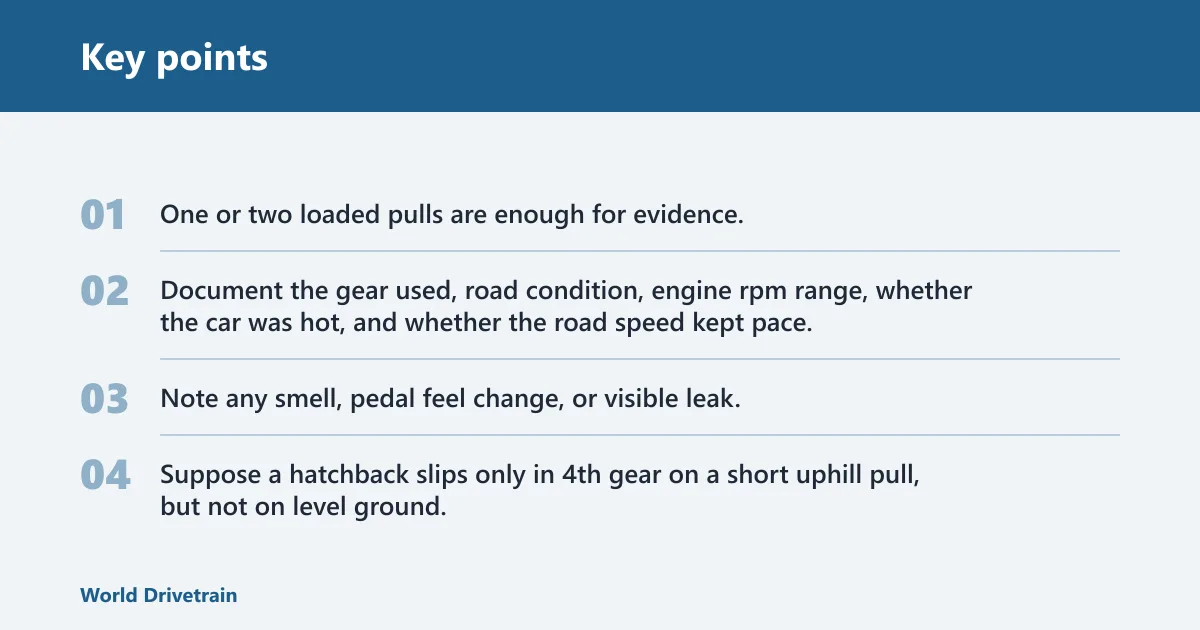
Keep the test brief and consistent. One or two loaded pulls are enough for evidence. Repeated high-rpm launches can turn a borderline clutch into a failed one, so they are poor practice during a purchase inspection and can also make the diagnosis less clear.
Workshop verification without abuse
If the road test suggests slip but does not settle the issue, a workshop can verify with a lift inspection, fluid check, and further diagnosis of the master cylinder, slave cylinder, flywheel, and contamination sources. That path avoids unnecessary abuse and gives the buyer a clearer repair estimate.
What evidence to document
Document the gear used, road condition, engine rpm range, whether the car was hot, and whether the road speed kept pace. Note any smell, pedal feel change, or visible leak. Good notes help with a price negotiation or a warranty claim because they tie the symptom to a repeatable condition rather than a vague complaint.
Suppose a hatchback slips only in 4th gear on a short uphill pull, but not on level ground. That pattern should be written down exactly, because it points to a load-related fault rather than a random misfire. A note that says “rev flare from 1,800 to 2,800 rpm with little speed gain, uphill, engine warm” is far more useful than “clutch seems bad.”
Frequently asked questions
What should a pre-purchase inspection check if the clutch might be slipping?
Check the service history, clutch pedal free play, bite point height, pedal return, fluid level, master and slave cylinder condition, underbody leaks, and a short road test under load. The goal is to separate wear, hydraulic faults, and flywheel trouble before you decide to buy or walk away.
How can an inspector tell if a clutch is slipping on a test drive?
The clearest sign is engine revs rising while road speed stays behind, especially in 3rd or 4th gear, during a hill pull, or after the car is warm. Wheelspin, poor gear choice, or engine power loss can confuse the result, so the test should be controlled and repeatable.
What signs of clutch slip should show up in a pre-purchase inspection?
Look for a high biting point, soft or sinking pedal feel, burnt odor after acceleration, poor hill starts, and fluid leaks at the hydraulic cylinders. Any one clue may be mild. Two or more together, especially under load, point to a higher-risk purchase.
Should a used car be rejected if the clutch is slipping?
Not every case needs rejection, but repeatable slip under load is a serious warning. Mild, isolated symptoms may justify renegotiation if the buyer has a clear repair estimate. If the slip repeats in more than one gear, gets worse when hot, or comes with flywheel noise or leaks, walking away is usually the safer call.
Can a slipping clutch be confirmed without damaging it during inspection?
Yes. A short road test with one or two loaded pulls is usually enough to confirm the pattern. Avoid repeated hard launches or long full-throttle runs. If the diagnosis is still unclear, use a workshop inspection for fluid leaks, flywheel condition, and hydraulic testing instead of more road abuse.
What else should be checked if the clutch pedal feels normal but the clutch slips?
Check the friction plate, pressure plate, flywheel, and possible contamination from engine or gearbox oil. A normal pedal does not rule out a worn or glazed clutch, weak diaphragm springs, or a hot-spotted dual-mass flywheel. The fault may be mechanical even when the pedal feels fine.